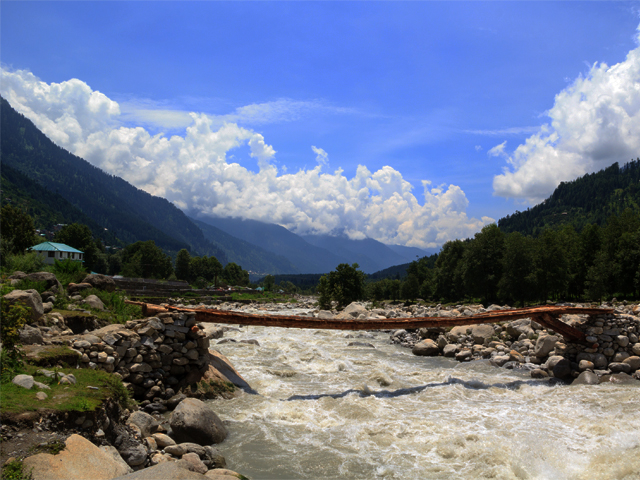
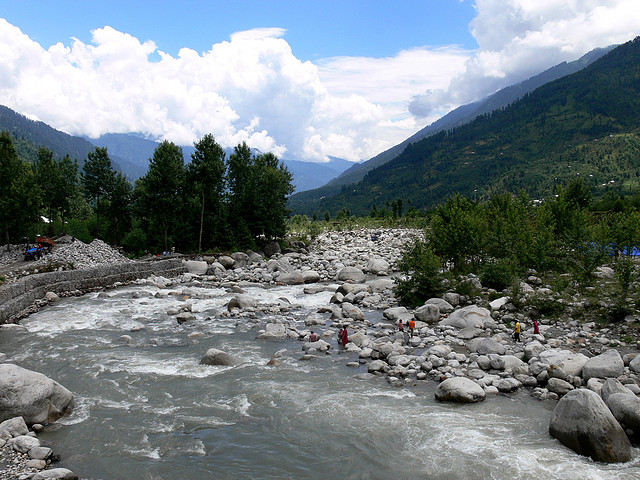
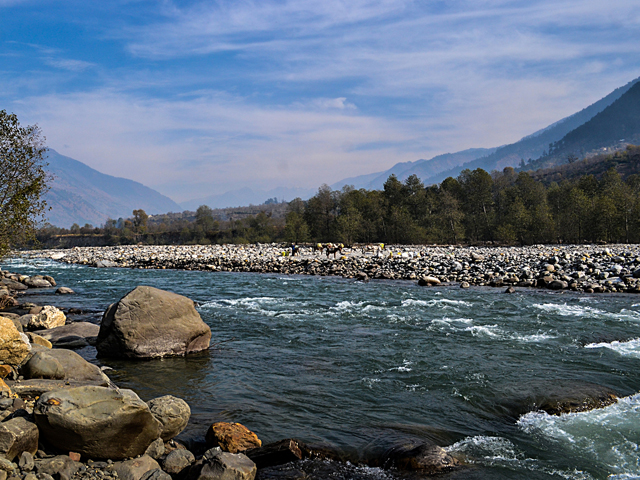
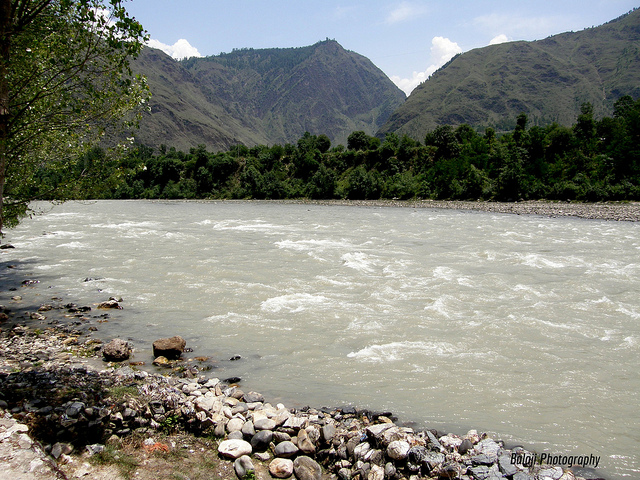
The Beas is one of the five rivers that give Punjab its name. It rises on the southern face of the Rohtang Pass in Kullu, at 4,361 m (14,308 ft), in central Himachal Pradesh, and flows for some 470 km to join the Sutlej in the Indian state of Punjab. Its drainage basin covers 20,303 sq km. For people in the Kullu and Manali region it is simply the river that runs through the valley, but its history is far older than any town on its banks.
The river appears in the Vedas as Arjikuja and was known to ancient Indians as Vipasa; the ancient Greeks called it the Hyphasis, and it marks the eastern limit of Alexander the Great's campaign. "Beas" is thought to be a worn form of Vyasa, and the river is named after Veda Vyasa, its presiding patron, who is said to have created it from its source lake, the Vyas Kund. The Beas crosses the Mandi District and enters the Kangra District at Sandhol, 590 m above sea level.
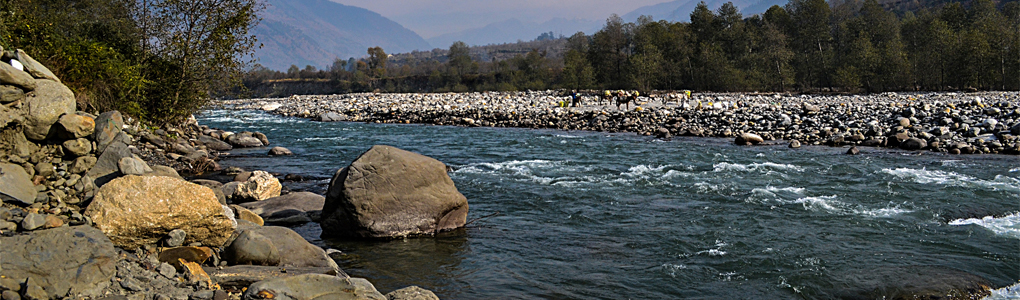
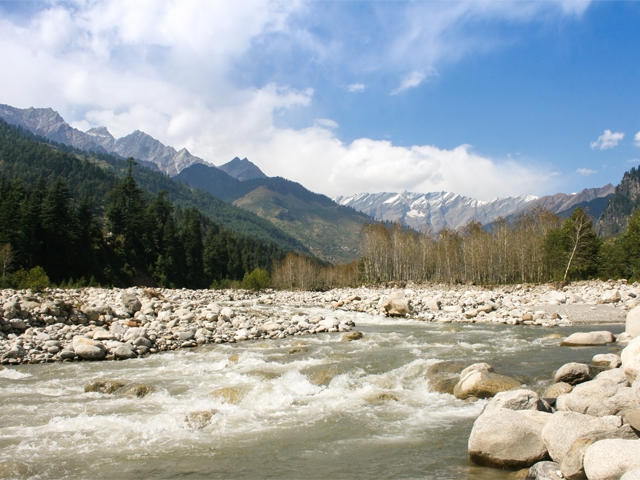
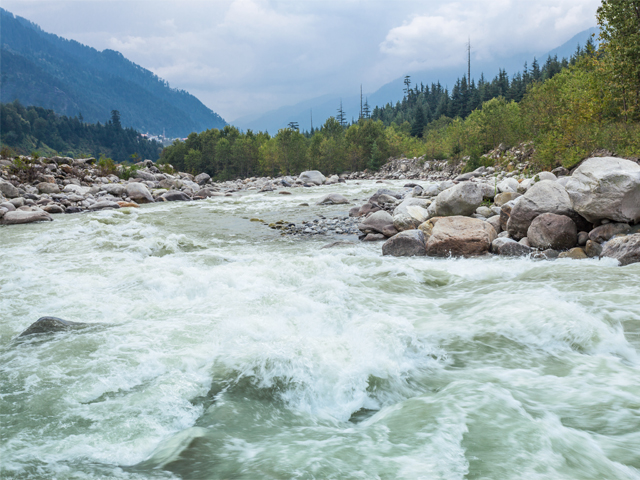
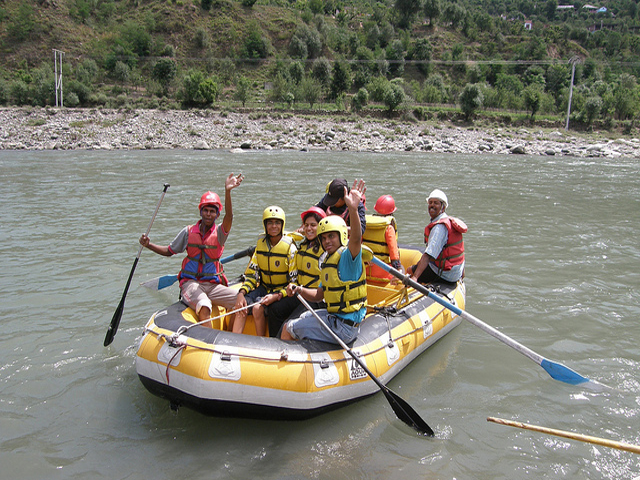
In its lower course, the river is crossed by numerous ferries, many of which consist of inflated skins, called darais. Near Reh, in Kangra, it divides into three channels, which unite again after passing Mirthal, 300 m above sea level. It then meets the Sivalik Hills in Hoshiarpur on its way to the Sutlej. In the upper valley, the Beas offers rafting, trout fishing, riverside camping and the trek to Beas Kund from Solang Valley.
Image from FLickr : Balaji Photography, Raman Virdir, Rajarshi MITRA, Balaji Photography