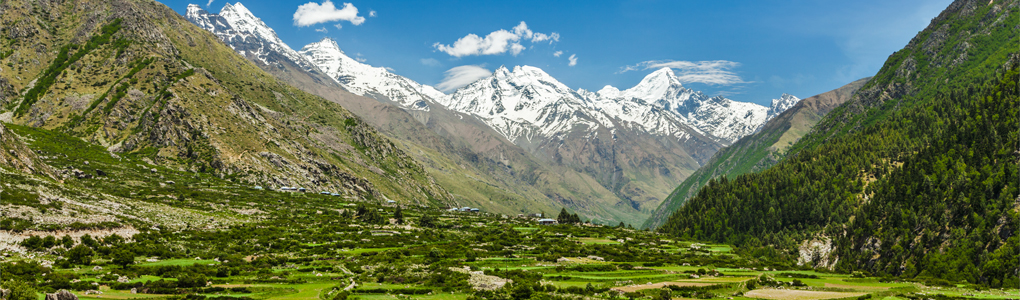
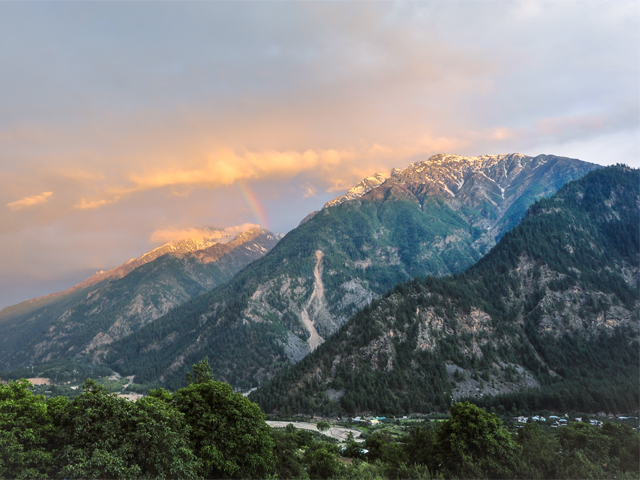
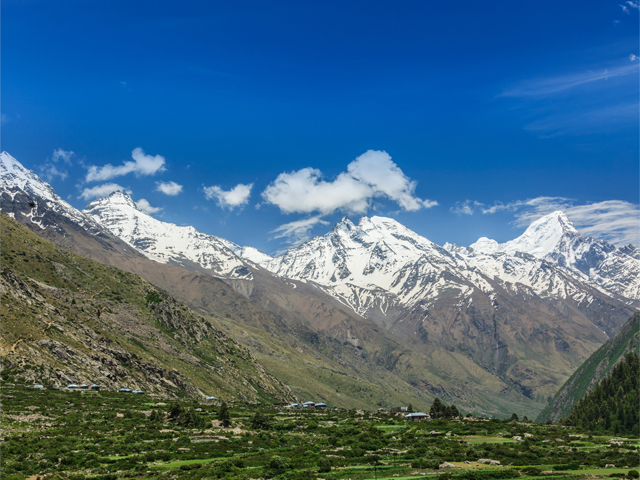
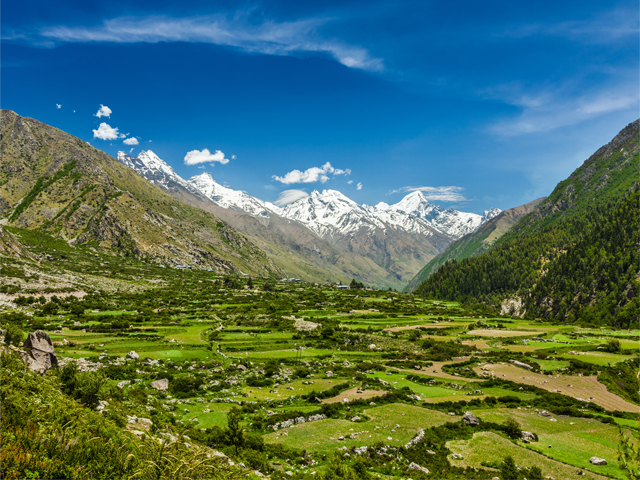
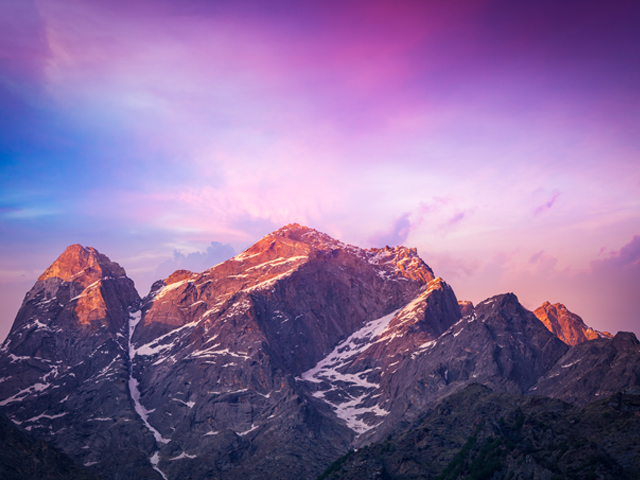
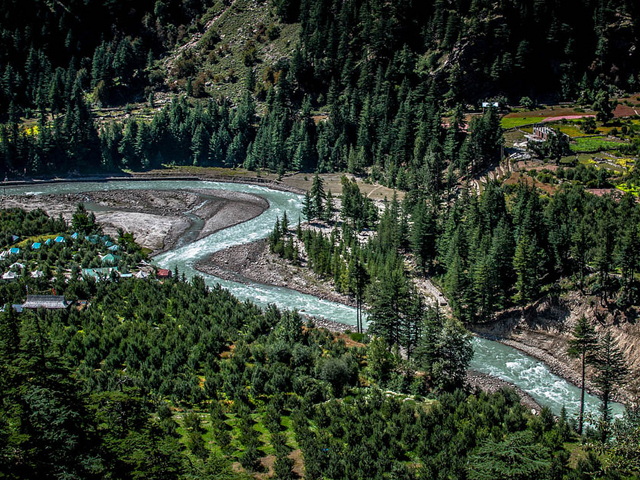
The Sangla Valley, also called the Baspa Valley, begins at Karcham and runs up to the village of Chitkul, near the Tibetan border, in Kinnaur district of Himachal Pradesh. Forested slopes surround the valley, with views of high peaks, and its place in the Great Himalayan range gives it a milder climate than the plains. The Baspa River, clear and cold, flows through the valley, which is rich in apple orchards, apricot and walnut trees, cedar forests and glacial streams with trout.
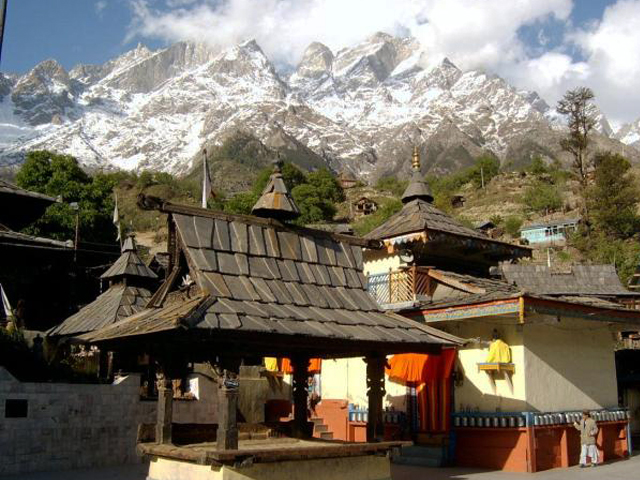
Sangla itself is the largest town in the valley, with a petrol pump, ATMs, a post office, restaurants, mid-range hotels and shops. The main villages are Chitkul, Rakcham, Batseri, Themgarang, Kamru and Sapni. Highlights include Kamru Fort, an old wooden tower said to have been the seat of the Kinnaur rulers, and the temples of Bering Nag and Mata Devi, which are carved in the local style. Chitkul, at around 3,450 m, is the last inhabited village on the old trade route to Tibet.
Until 1989, outsiders needed a special permit from the Government of India to enter the valley, because of its strategic position near the Indo-Tibet/China border. The Baspa hydel project was completed in 2009. Besides the natural beauty of the Great Himalaya, the apple harvest in autumn and the Kinner Kailash trek attract visitors. The road can be affected by landslides, especially in the monsoon, so allow extra days in your plans. Image from FLickr : Travelling Slacker, Mark O'S ,