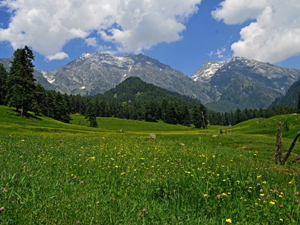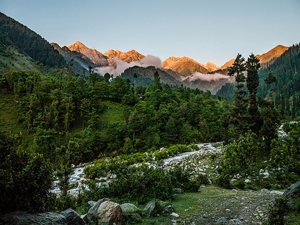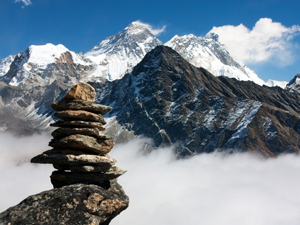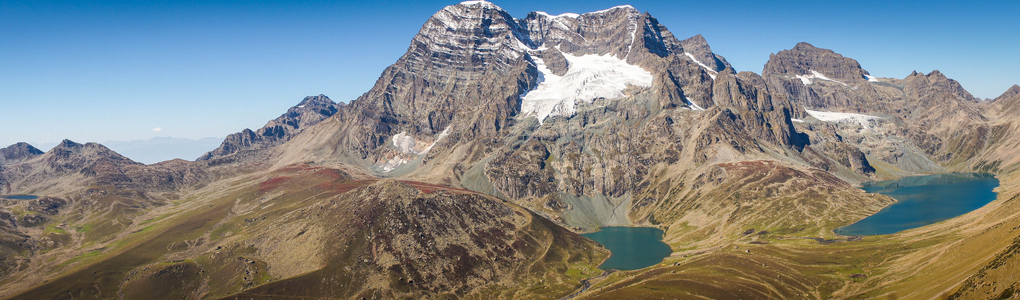
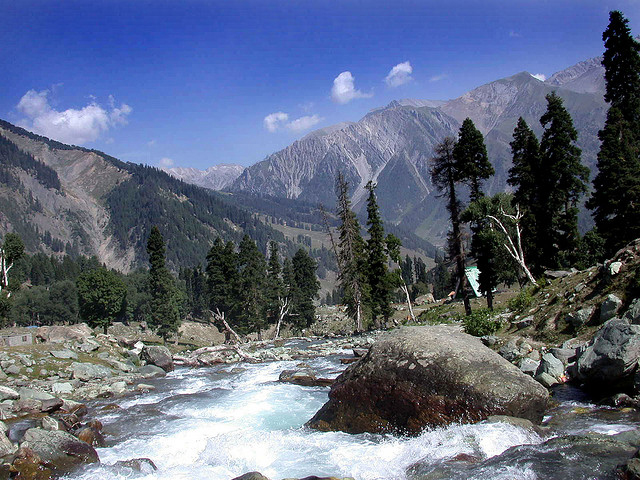
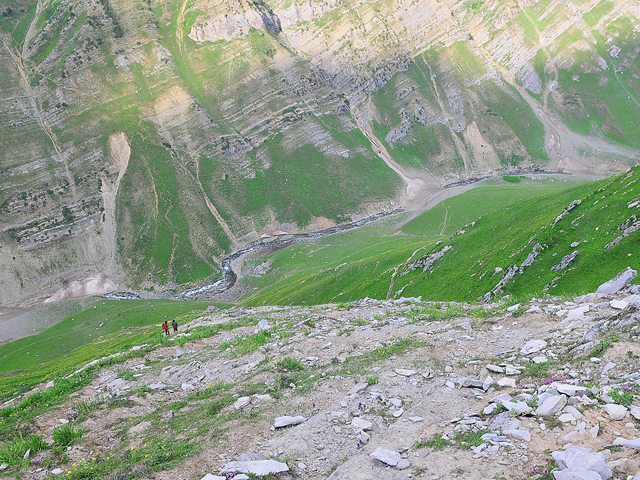
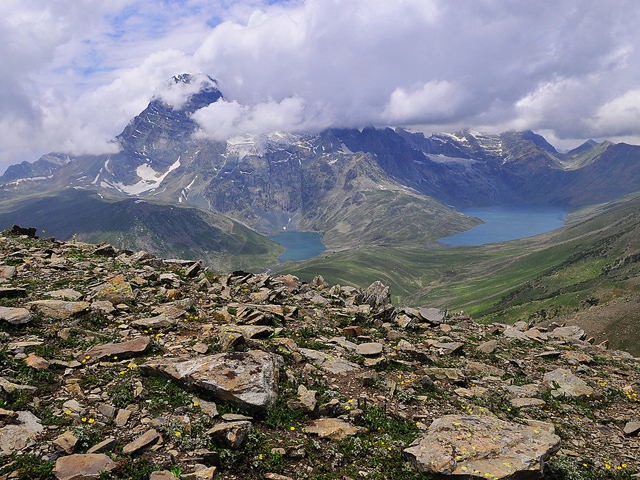
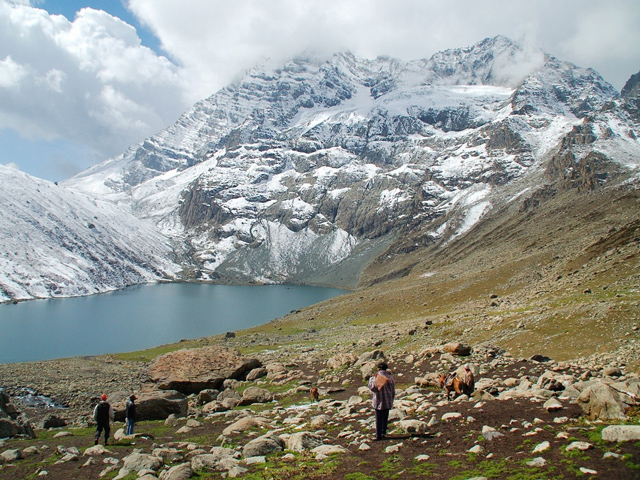
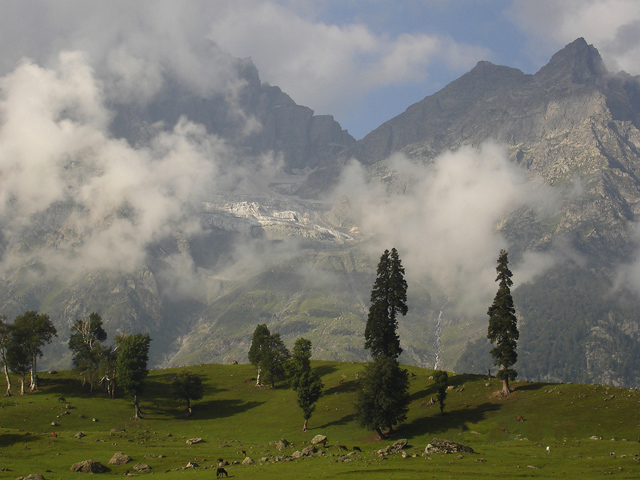
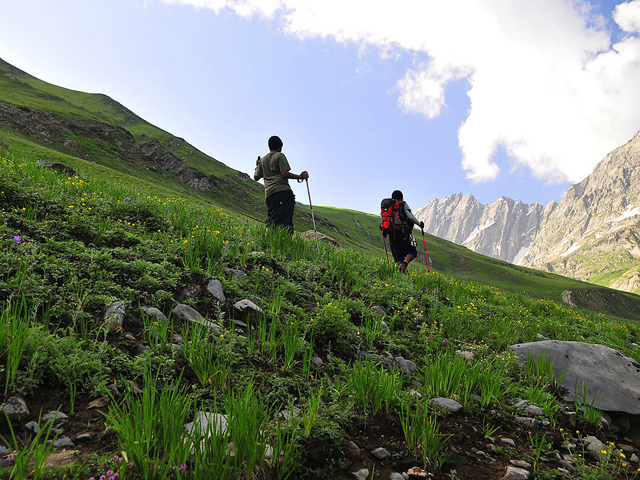
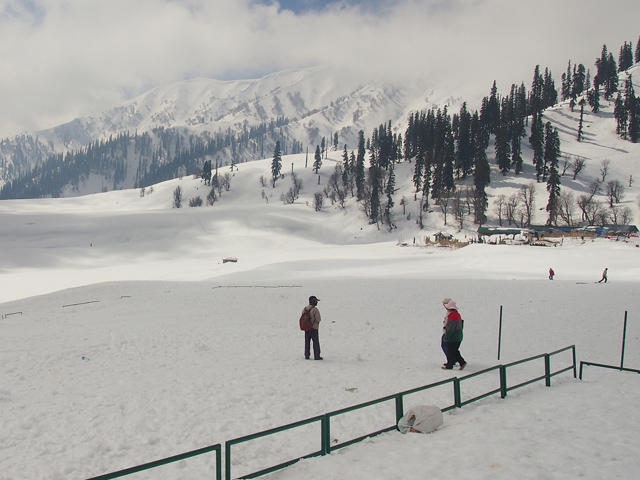
Kashmir is often called heaven or paradise on earth, and walking among green meadows, tall pines and lofty snow-covered mountains, it is easy to see why. Visitors may attract some stares, but locals are in general friendly, curious and welcoming. It is a tempting destination and one well worth considering if you are comfortable with the current political situation. Political unrest has been a recurring part of the region's recent history and has occasionally been violent toward travellers: in 1995, six tourists were kidnapped near Pahalgam, and several governments imposed travel restrictions in response. The situation has changed repeatedly since then, so read your own government's current advice, and travel with a reliable local operator.
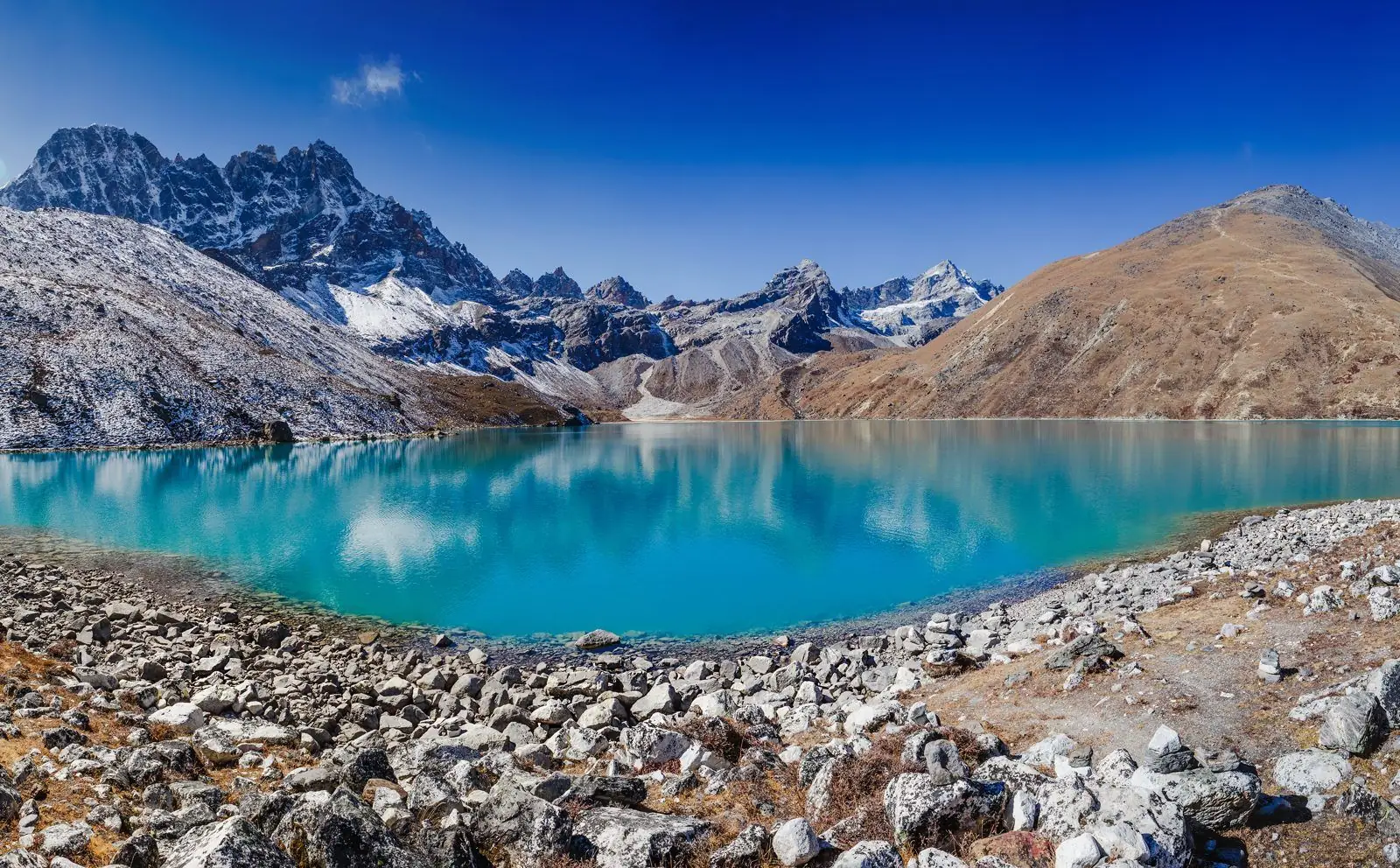
Trekking in Kashmir is an experience unlike the rest of the Himalaya. The region experiences a real winter and is largely bypassed by the Indian monsoon. Heavy snows do not melt until late June, so the best trekking is from July to September. Kashmir, Ladakh and, to some extent, Mustang in Nepal offer the best trekking in the Himalaya during the monsoon, when the rest of the range is blanketed in rain. High meadows, turquoise alpine lakes and wild flowers define the scenery, and the shepherds, known as Gujjars and Bakarwals, still move their flocks to the high pastures in summer.
Srinagar has a charm of its own, with its unique houseboats on Dal Lake and beautiful Mughal gardens. Take a ride on a shikara, the small boats used for local transport, and enjoy a few days in Srinagar, the largest city in the Kashmir Valley. The Old City has fine wooden shrines, markets for shawls and papier-mache, and excellent food, including wazwan feasts. In winter, pick up your skis and head to the resort at Gulmarg, India's premier ski destination.
For logistics, most travellers fly into Srinagar, which has direct flights from Delhi. Ponies and porters are readily available for treks, and permits for some border areas may be needed, so ask your operator. Weather can change fast, and altitude on the Great Lakes route reaches around 4,000 m, so allow acclimatisation. Always check conditions and security before departure, and keep flexible dates in case roads or routes are closed.
Image From Flickr: Baasir Gaisawat, Motographer, Cajetan Barretto, Cajetan Barretto, THINK Global School, Rajesh, Cajetan Barretto, Isriya Paireepairit
Top Treks
Kashmir Great Lakes Trek
This seven-day trek is one of the most popular in Kashmir. The trail follows the traditional route of the Gujjars, the nomadic shepherds of Kashmir, from Sonamarg towards Harmukh, passing four picturesque high-altitude lakes with spectacular mountain scenery, flowered campsites and trout fishing.
Kolahoi Glacier Trek
At the Kolahoi Glacier the trekker can catch a glimpse of Kolahoi Peak and see the source of the Lidder River. Excursions to the Tarsar and Marsar lakes in the Upper Dachigam area can be made from here if the trekker has an additional day. The trek takes three days and covers approximately 35 km, and the season runs from June to late September.
Amarnath Yatra
A religious pilgrimage undertaken by more than 100,000 pilgrims every year, and a tradition that has continued for Hindus for about 300 years. The spectacular five-day trek leads to the holy ice cave, where an ice stalagmite revered as the linga of Shiva forms every year. Legend says this is where Shiva explained the secret of life to his consort Parvati. Registration is required and rules change each year, so check with the Shri Amarnathji Shrine Board well ahead of time. The sight of thousands of singing and chanting devotees is a sight in itself.
Quick Answers about Kashmir
What is the best time to visit Kashmir?
March to October.
Which cities and towns should I know in Kashmir?
Srinagar, Anantnag, Gulmarg.
What are the must-see places in Kashmir?
Pahalgam, Sonamarg.
Which peaks are found in Kashmir?
Kolahoi, Amarnath, Nun Kun.