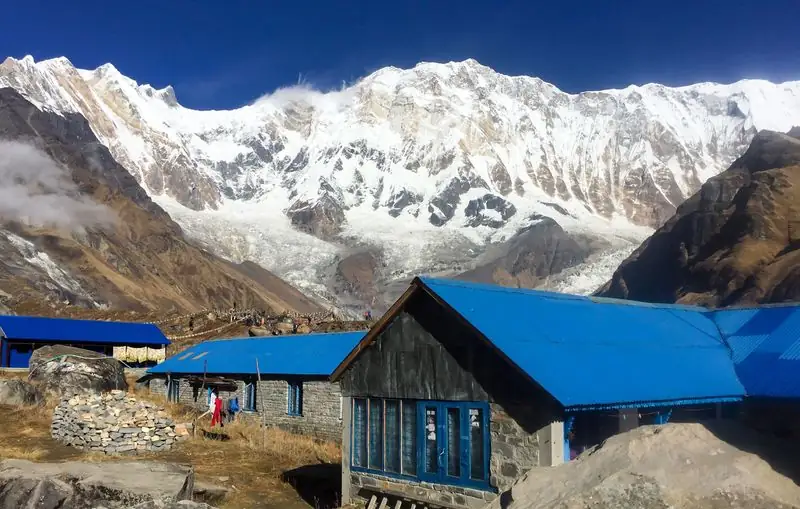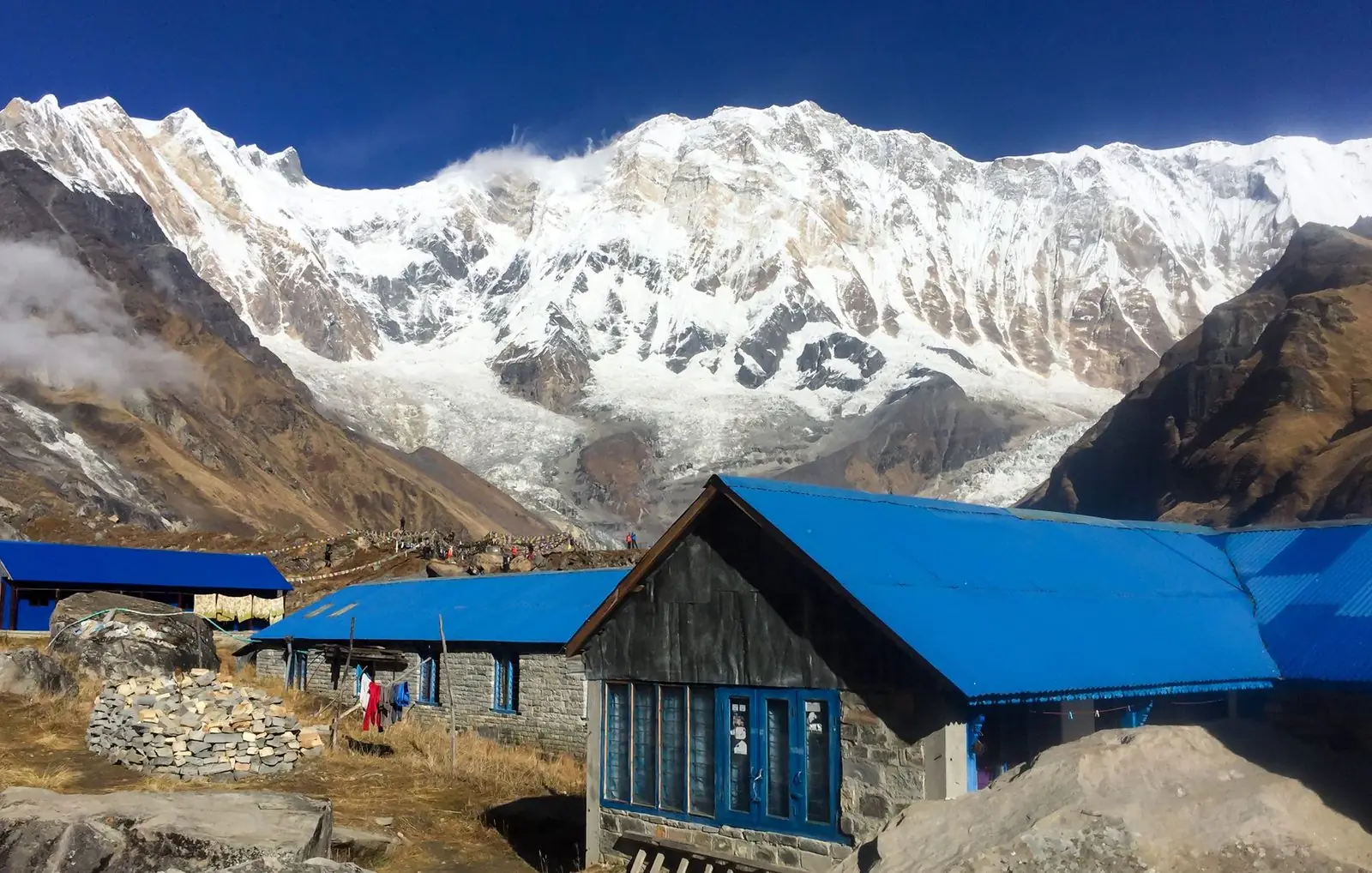
Yes, altitude deserves respect on this trek, even though the maximum height is lower than on Everest Base Camp. Annapurna Base Camp sits at about 4,130 m and Machhapuchhre Base Camp at about 3,700 m. These heights are enough to cause headaches, poor sleep and more serious problems in some people, particularly if they climb too quickly.
Why the Sanctuary is different
The route gains height fast in its final section. From Dovan at roughly 2,600 m you reach MBC at 3,700 m within two long days. There is less buffer than on longer routes where trekkers spend many days acclimatising. That means planning matters. A sensible schedule has a gentle first week, a limited height gain each night above 3,000 m and, ideally, one rest or short day on the way up.
Common symptoms
- Mild headache, especially in the evening.
- Difficulty sleeping or vivid dreams.
- Slightly reduced appetite.
- Faster breathing and a quicker heartbeat on climbs.
These are normal signs of adaptation if they improve with rest and fluids.
Warning signs that need action
A headache that worsens despite rest and water, vomiting, loss of coordination, extreme tiredness, confusion or breathlessness at rest are red flags. Do not go higher. Tell your guide at once and descend if symptoms do not improve. Descent is the proven treatment, and it works fastest when done early.
Smart habits
- Walk slowly and breathe steadily so you can still speak in full sentences.
- Drink plenty of fluids through the day, aiming for pale urine.
- Avoid alcohol and sleeping tablets at altitude.
- Eat even when appetite is low, preferring carbohydrates.
- Report symptoms honestly, without trying to look strong.
Medicines and preparation
Some trekkers use a preventive medicine. This is a decision for you and your doctor, and it does not replace a slow ascent. Carry basic pain relief, rehydration salts and any personal medicines. Check that your travel insurance covers trekking to at least 4,500 m and includes emergency evacuation.
A note on avalanche risk
Between Deurali and MBC, snow slopes can slide after heavy snowfall, particularly in winter and early spring. Guides watch conditions and may delay or turn back groups. If you are told to wait, accept it. A day in a lodge is better than any risk in the avalanche zone.
A sample altitude profile
Many itineraries have you sleeping at around 1,900 to 2,200 m on night two or three, at about 2,600 m near Dovan, at about 3,200 m at Deurali, at 3,700 m at MBC and at 4,130 m at ABC. The jump from Deurali to ABC is nearly a kilometre in two days. If you feel anything more than mild symptoms at Deurali, add a night rather than continuing, because the gain is the sharpest part of the trek.
Sleeping tips
Altitude often disturbs sleep. Keep your room cool but your body warm, use a pillow to raise your head and avoid heavy meals late in the evening. Slow, deep breathing helps. If you wake with a headache, drink water and rest rather than pushing on. A good night is more important than an early start.
The role of the guide
Guides on this route are trained to recognise altitude illness and make decisions about descent. They ask trekkers how they feel each evening, check appetite and sleep and watch behaviour on the trail. Be honest, even if you worry about missing the summit viewpoint. Their job is to get you home safely.
Children and older trekkers
Children and older adults can be affected by altitude differently. They need a slower pace, extra rest and closer observation. If you travel with them, plan additional nights and be prepared to stop at MBC rather than push to ABC.