The Circuit is one of the most photogenic treks in Nepal, but good photographs depend on knowing where and when to look. This guide lists the best viewpoints and practical tips.
Pisang and Ghyaru
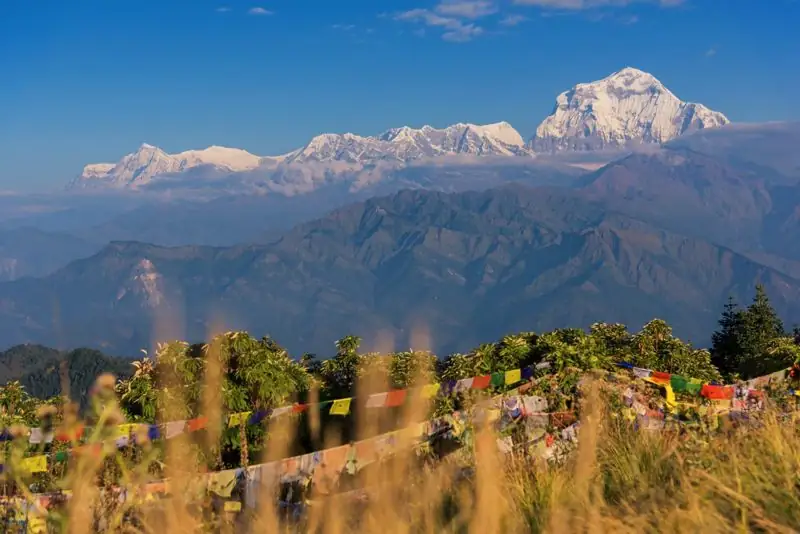
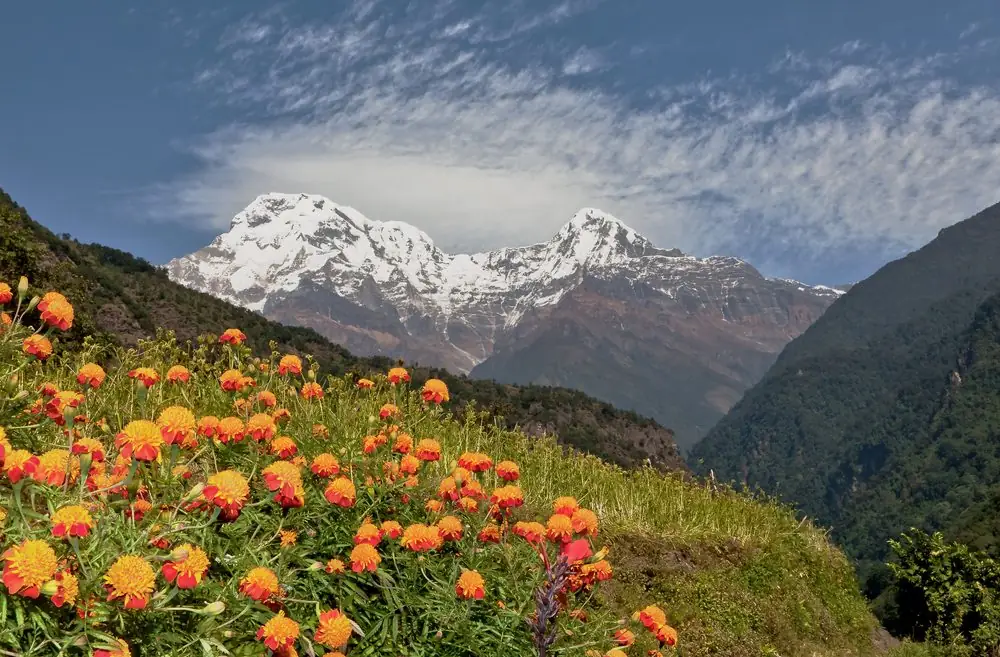
The upper trail between Pisang and Ngawal passes Ghyaru and gives sweeping views of Annapurna II, III and IV across the valley. Morning light is best. The village architecture and prayer flags add foreground interest.
Manang area
Gangapurna Lake, with the Gangapurna glacier behind, is a classic subject. The viewpoint above Manang, reached on a rest-day walk, offers a broad view of the valley. Sunrise and late afternoon are the best times.
Thorong La
At the pass you get prayer flags, a signboard and wide views of the Mustang side. Be fast: the cold drains batteries and fingers, and the wind rises. Keep a spare battery in an inside pocket.
Muktinath and Kagbeni
Muktinath has temples, a monastery and the eternal flame shrine. Kagbeni has narrow lanes, mud-brick houses and the dramatic gateway to Mustang. Ask before photographing people or religious interiors.
Marpha and the Kali Gandaki valley
Marpha's white-washed houses, apple orchards and stone-paved lanes are lovely. The valley at sunset, with Dhaulagiri and Nilgiri in the distance, is spectacular when clear.
Poon Hill sunrise
If you finish with Poon Hill, arrive before dawn to find a position. The sunrise on Dhaulagiri and Annapurna is a classic image. It is crowded, so be patient and polite.
Gear and technique
- Bring a spare battery and keep it warm in an inside pocket.
- Use a lens cloth; dust and cold cause problems.
- A lightweight tripod or a small beanbag helps for dawn and dusk.
- Shoot RAW if you can; the contrast is extreme.
- Do not change lenses in dusty wind; use a sealed bag.
Photographing people
Always ask permission. A friendly conversation, a smile and an offer to show the photo goes a long way. Do not pay for photographs in a way that encourages begging.
Light by time of day
At these latitudes and altitudes the light is harsh from mid-morning to mid-afternoon. The best conditions are within an hour after sunrise and an hour before sunset, when snow peaks turn gold and shadows give shape to the valleys. Many photographers walk early and use the middle of the day for cultural subjects in shaded lanes.
Composition ideas
- Use prayer flags, chorten and mani walls as foreground for mountain views.
- Include a person or a mule train for scale in big landscapes.
- Shoot through doorways and windows to frame the villages.
- Look for reflections in Gangapurna Lake.
- Photograph the Kali Gandaki valley with a wide lens to show its scale.
Protecting gear
Dust is the enemy in the Kali Gandaki valley and cold is the enemy at the pass. Keep gear in dry bags, carry silica gel packets, and let equipment warm slowly in a bag before opening it in a heated room, to avoid condensation. Back up photos each night if you can, because storage cards can fail.
Common questions
What is the best time of day for photographs?
Early morning and late afternoon, when the light is soft and winds are lower.
Will my phone battery die in the cold?
Cold drains batteries quickly. Keep devices in an inside pocket and carry a power bank.
Are drones allowed?
Rules are strict and change. Ask your guide and check regulations before bringing one; many areas require permission.
What our guests say
Excerpts from trekker reviews on our reviews page.
“One of the greatest experiences of my life was made so much enjoyable by this team!”