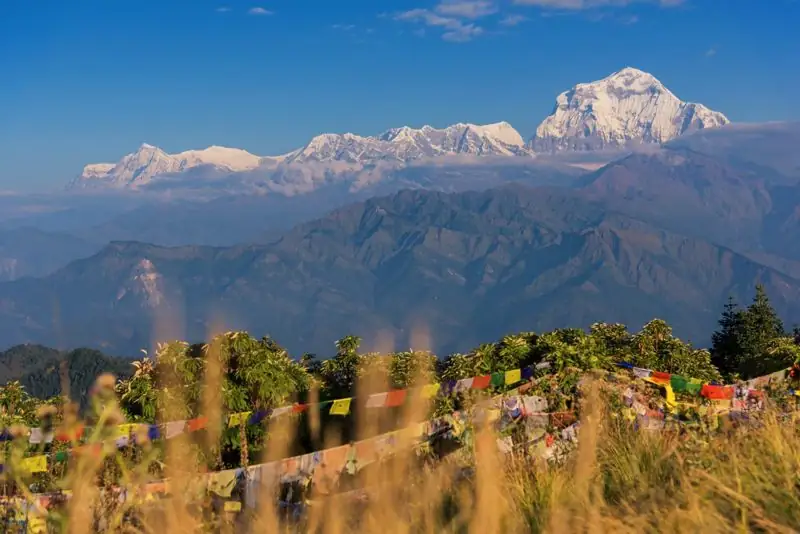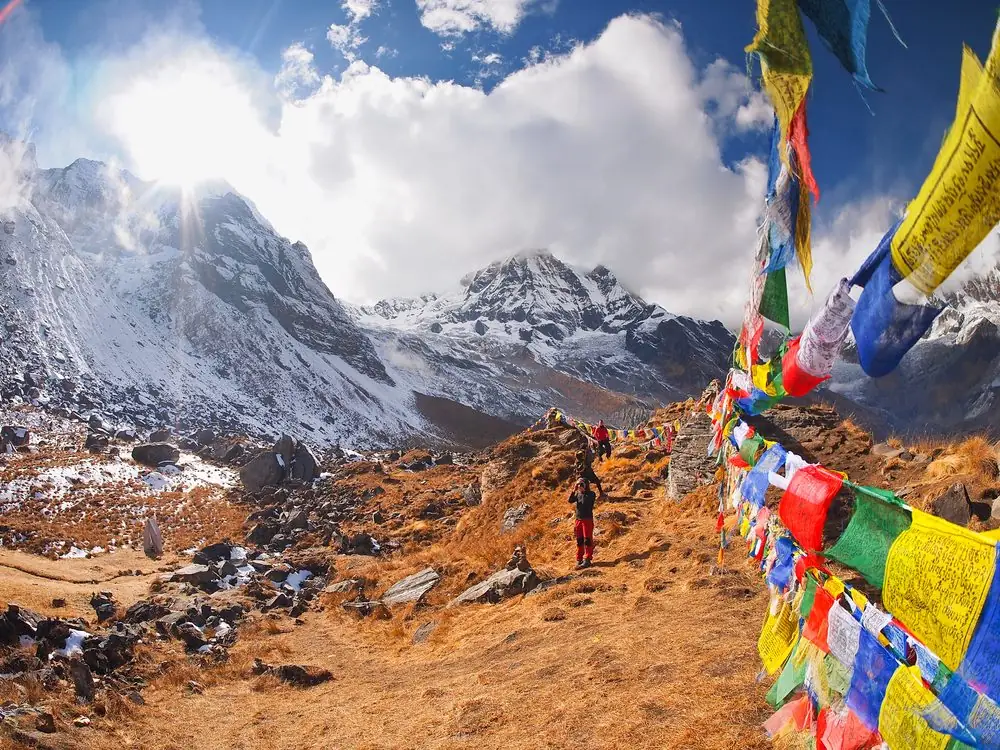
The Annapurna Circuit is an open, well-serviced trek of 12 to 16 days over the Thorong La. Nar Phu is a restricted side valley off the circuit, with two medieval-looking Tibetan villages and a high pass, the Kang La at about 5,300 m. It takes 9 to 12 days on its own and needs a special permit and a group of two or more. Many trekkers combine the two.
Annapurna Circuit and Nar Phu Valley at a glance
- Days. Annapurna Circuit: 12 to 16. Nar Phu Valley: 9 to 12; 17 to 20 combined with the circuit.
- High pass. Annapurna Circuit: Thorong La, 5,416 m. Nar Phu Valley: Kang La, about 5,300 m.
- Permit. Annapurna Circuit: Annapurna Conservation Area permit. Nar Phu Valley: restricted area permit as well; minimum two trekkers with a guide.
- Lodges. Annapurna Circuit: good. Nar Phu Valley: basic, few.
- Crowds. Annapurna Circuit: busy. Nar Phu Valley: very quiet.
- Culture. Annapurna Circuit: mixed: Gurung, Manangi, Thakali. Nar Phu Valley: strongly Tibetan.
Where Nar Phu is
At Koto, just before Chame on the Annapurna Circuit, a gorge opens to the north. A full day's walk through it, on a trail cut into cliffs and through pine forest, brings you into a hidden valley that was closed to foreigners until 2002. It holds two villages: Phu, at the head of the valley near the Tibet border, and Nar, on a sunny shelf below the Kang La. See the Nar Phu Valley guides.
What it is like
Phu is a tight cluster of stone houses on a rock above the river, with an important monastery, Tashi Lhakhang, across the valley. Nar is larger and livelier, with fields of barley and potato. Both are at just over 4,000 m. People keep yaks, speak a Tibetan dialect and until recently saw almost no outsiders. The landscape is bare, eroded and dramatic, closer to Mustang than to the rest of the circuit.
The Kang La
From Nar the trail climbs to the Kang La and drops very steeply to Ngawal on the main circuit. It is a long day of eight to ten hours with a 5,300 m crossing, comparable to the Thorong La and less travelled, so there is no trail of other trekkers to follow. After snow it is serious.
Combining the two
The usual plan enters Nar Phu from Koto, spends five to six days there, crosses the Kang La to Ngawal and continues to Manang and over the Thorong La. By then you are thoroughly acclimatised, which makes the second pass easier. Allow 17 to 20 days.
Season
October to November and April to May. Nar Phu's lodges may close in winter, when many villagers move lower, and the Kang La is snowbound. The valley is in a partial rain shadow, so September and June can work.
Cost
Nar Phu adds the restricted area permit, charged per week with a higher fee in autumn, and the cost of a guide for a minimum of two trekkers. Lodge prices are a little higher than on the main circuit because supplies come in by mule.
Choose Annapurna Circuit if
- It is your first long trek in Nepal.
- You are trekking solo and joining a group is not possible.
- You want good lodges.
- You have about two weeks.
Choose Nar Phu Valley if
- You have done a high trek before.
- You want remote villages and Tibetan culture.
- You are travelling as two or more.
- You have close to three weeks, or will do Nar Phu alone.
Can you do both?
Yes, and it is one of the best long treks in Nepal: Nar Phu, the Kang La, Manang and the Thorong La in about 18 days.
Plan it
See Nar Phu vs Tsum Valley vs Upper Mustang, or ask us about permits and dates.
Common questions
Do I need a special permit for Nar Phu?
Yes, a restricted area permit issued through a registered agency, for at least two trekkers with a licensed guide.
Is the Kang La harder than the Thorong La?
It is slightly lower but steeper on the descent and far less used.
How many days does Nar Phu add to the circuit?
About five to six.
Are there lodges in Nar and Phu?
Yes, simple ones, and at Meta on the way in.
Heights, days, fees and rules are approximate and can change, so confirm the current details with us before you book.

What our guests say
Excerpts from trekker reviews on our reviews page.
“Superb trek lead, fantastic experience, perfect weather prediction, had a great knowledge on all peaks.”
Ready to book? Look at our Annapurna Circuit trek from Kathmandu.