Nar Phu, Tsum Valley and Upper Mustang are Nepal's best-known restricted-area valleys, and trekkers often struggle to choose between them. All three need a restricted-area permit, a registered agency and a licensed guide. All three have Tibetan-influenced culture. They are otherwise quite different, and the right choice depends on your priorities.
At a glance
- Nar Phu: Annapurna region; gorge, high villages at about 4,000 m, and the Kang La pass at about 5,300 m. Physically the toughest of the three.
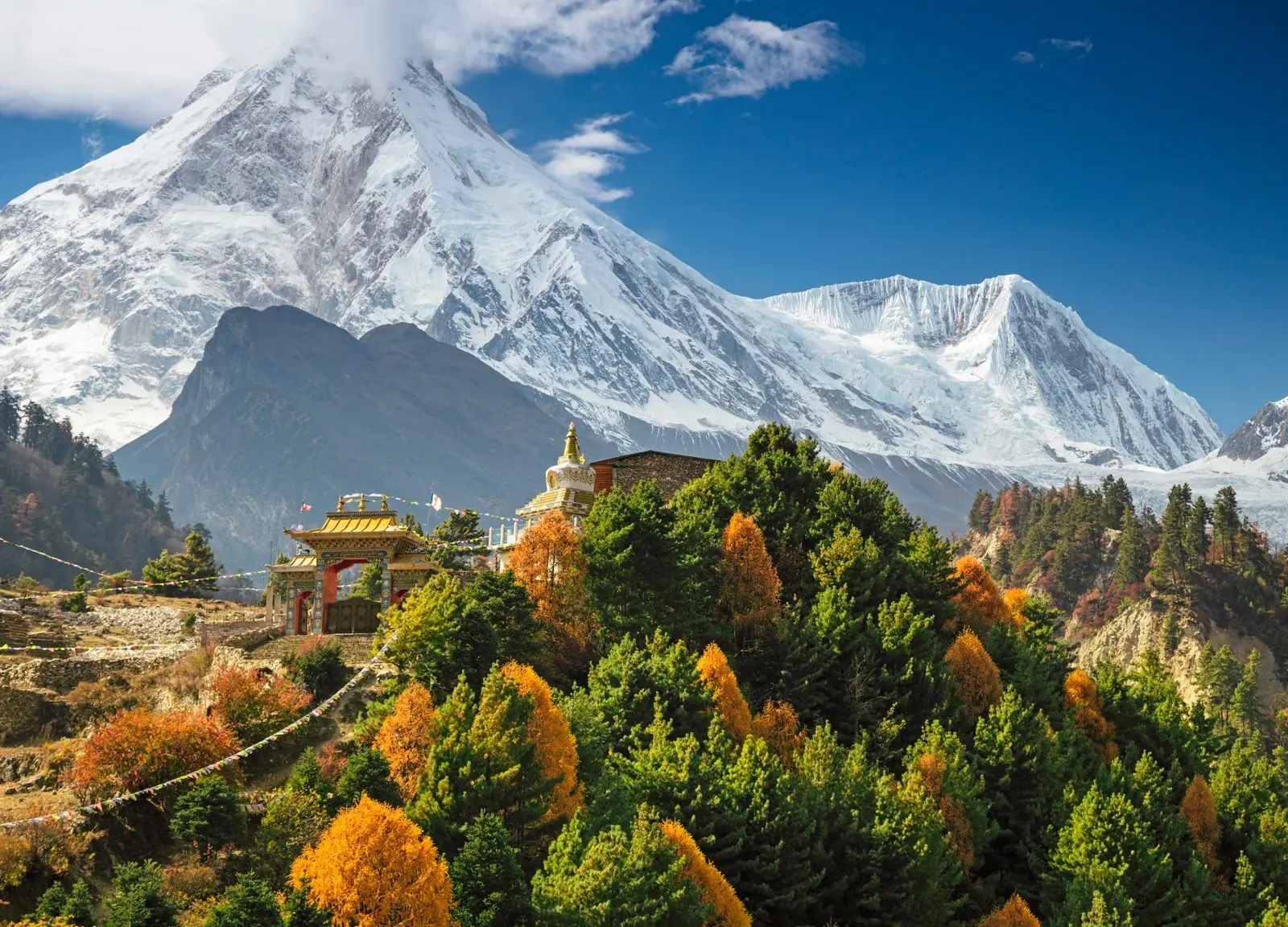
- Tsum Valley: Manaslu region; lower and greener, with monasteries and nunneries at roughly 2,400 to 3,700 m. The gentlest of the three on altitude, but with long, rough trails.
- Upper Mustang: a rain-shadow desert beyond Kagbeni, with the walled capital Lo Manthang at about 3,800 m. A jeep road now runs through much of it, so the walking can be tailored.
Landscape
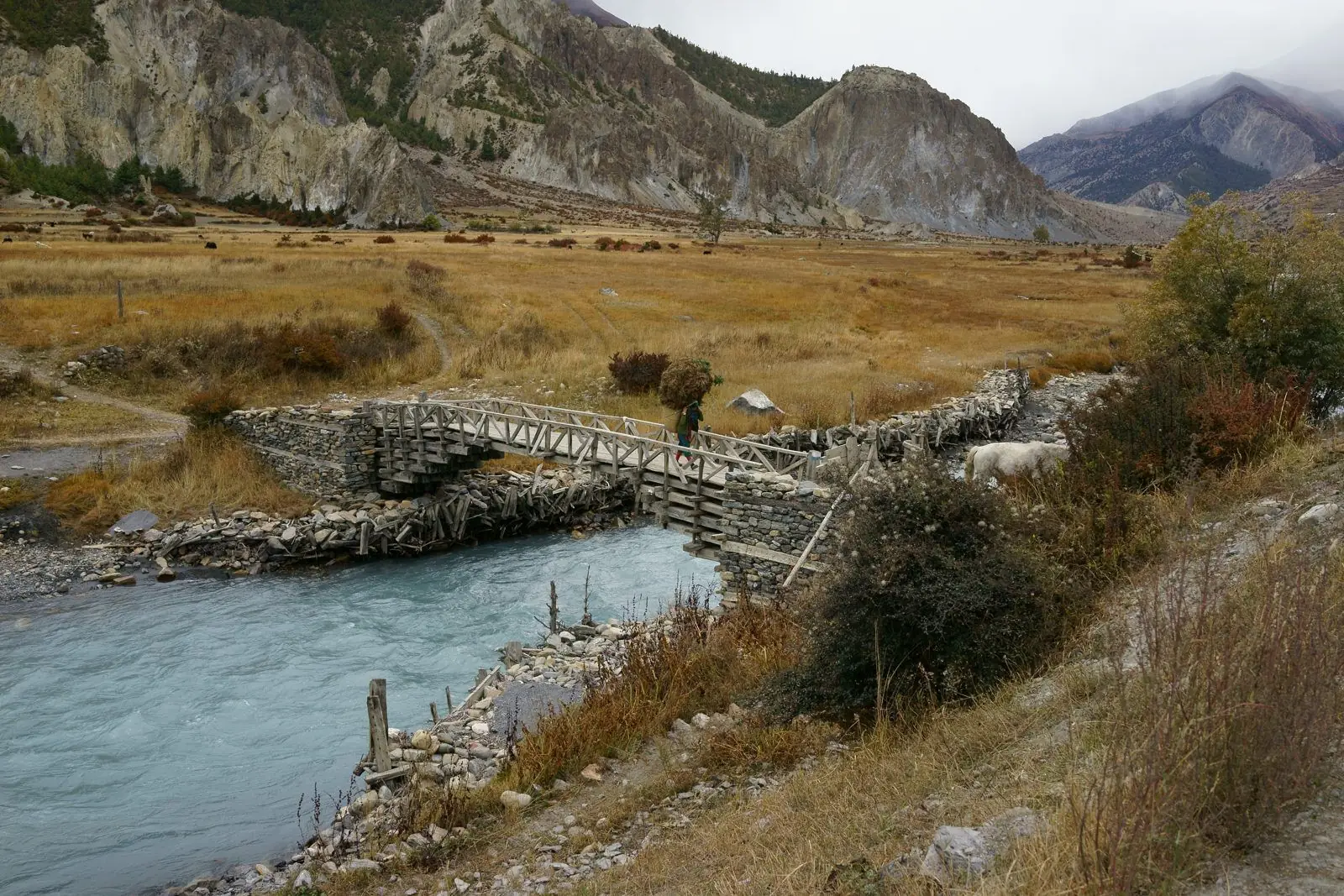
Nar Phu feels like the high Tibetan plateau sliced by a gorge. Tsum feels like a hidden, terraced valley with forests and prayer walls under big peaks such as Ganesh Himal. Upper Mustang feels like an eroded desert of red, yellow and grey cliffs, with caves, ancient frescoed monasteries and wind. If you picture a particular landscape in your head, that is probably the answer.
Culture
All three valleys have Buddhist traditions and Tibetan-influenced communities. Tsum is known for its monasteries and nunneries and for customs such as avoiding the killing of animals. Upper Mustang has a former kingdom, a walled city and a strong festival calendar, including the Tiji festival. Nar Phu is smaller and quieter, with a strong sense of isolation and a pastoral way of life. See Upper Mustang culture and etiquette and Tsum monasteries and nunneries for details.
Difficulty and altitude
Nar Phu is the most demanding because of the Kang La and the remoteness. Upper Mustang rarely goes above 4,200 m on the usual route and has no pass of Thorong La scale, so altitude is moderate, though wind and dust are tiring. Tsum Valley stays mostly under 3,800 m, so altitude is gentler, but the trail is narrow and rough, with landslide-prone sections.
Cost drivers
Restricted-area permit fees, trek length, transport (jeeps in Mustang, drives to trailheads in Manaslu and Annapurna) and group size drive cost. For permit figures, see our pages on Nar Phu, Upper Mustang and Tsum Valley. Check the current numbers when you plan.
Which to choose
- Choose Nar Phu if you want a high, tough, quiet trek with a pass, and already have altitude experience.
- Choose Tsum Valley if you want culture and monasteries at lower altitude, or want to extend a Manaslu trek.
- Choose Upper Mustang if you want a desert landscape, a walled city and a festival, with the flexibility of jeep sections.
Not sure? Send us your dates and fitness details and we will suggest the better fit.
Sample trip lengths
- Nar Phu from Koto: 8 to 10 walking days.
- Tsum Valley from Lokpa: 6 to 8 days.
- Upper Mustang from Jomsom: 9 to 12 days, depending on jeep use.
A word on crowds
All three are quiet compared with the main Circuit or the Everest region. Upper Mustang is the busiest of the three in the Tiji festival period, and Tsum and Nar Phu see most trekkers in October. If solitude matters, go outside the peak weeks.
Common questions
Which is easiest: Nar Phu, Tsum Valley or Upper Mustang?
Tsum Valley is gentlest on altitude, Upper Mustang can be tailored with jeep sections, and Nar Phu is the most demanding because of the Kang La.
Do all three need a guide?
Yes. All three are restricted areas that require a registered agency, a licensed guide and a restricted-area permit.
Can I combine Nar Phu with Tsum Valley?
They are in different regions, so combining them is a long itinerary. Most trekkers choose one or the other, or combine Nar Phu with the Annapurna Circuit.