How high do Annapurna treks go?
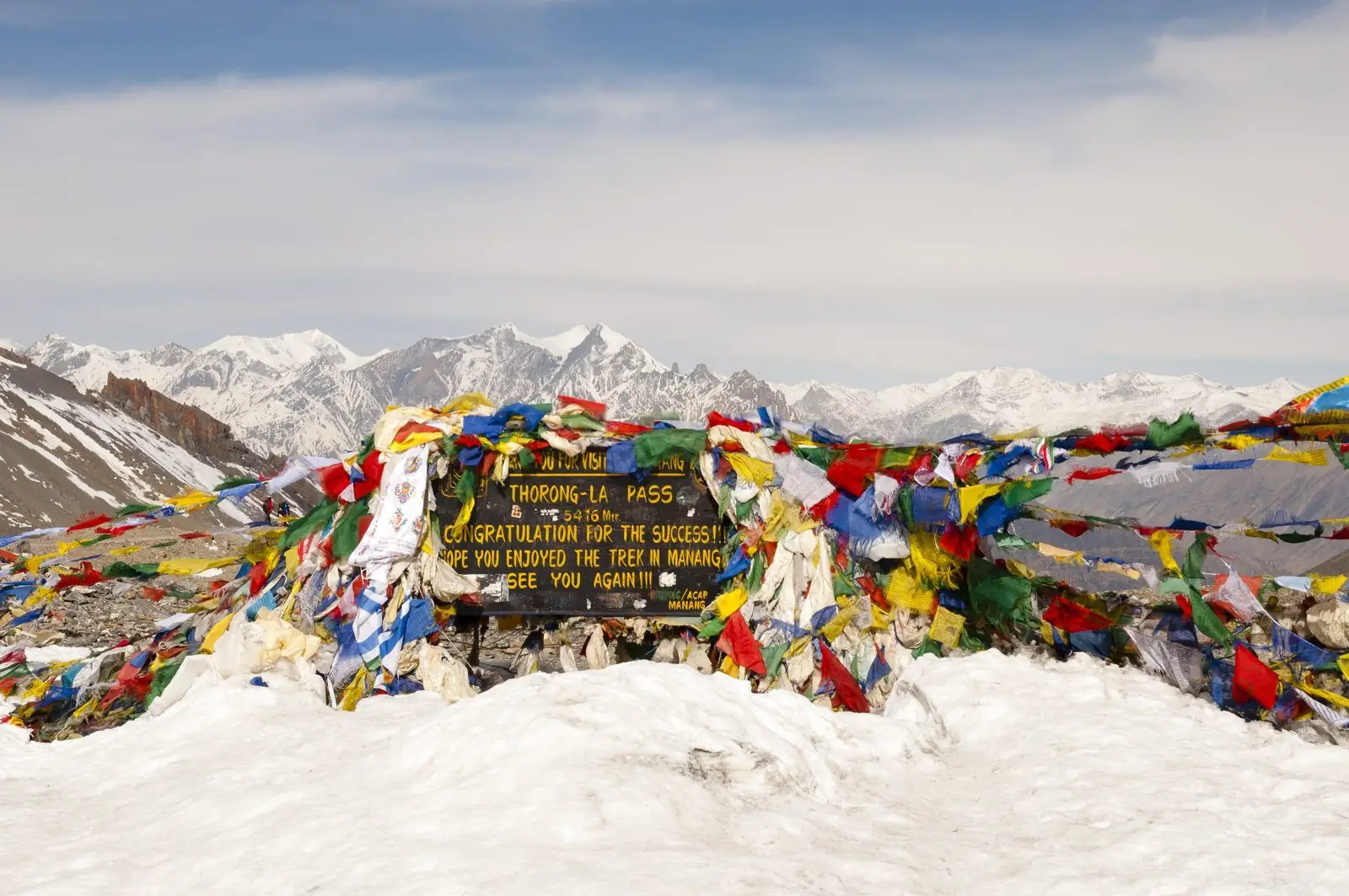
It depends on the route. Poon Hill and Mardi Himal are moderate. Annapurna Base Camp is higher, and the Circuit crosses a pass at a much greater height than any other standard route.
Which Annapurna trek is best for beginners?
Poon Hill is the gentlest. Mardi Himal and Annapurna Base Camp are manageable with preparation and steady walking.
Can altitude sickness happen at Annapurna Base Camp?
It can, though it is less common than on higher routes. Pace yourself, drink water and report headaches or nausea to your guide.
Is the Annapurna Circuit dangerous?
It is a well-travelled route, but the pass and the weather demand respect. Good acclimatisation and a flexible schedule reduce the risk.
Are there leeches?
In the monsoon, yes, mostly on lower forest trails. Salt, long socks and checking your legs regularly help.
Is the water safe to drink?
Treat all water, whether by boiling, filter or tablets. Bottled water adds plastic waste and cost.
Can I trek if I have a medical condition?
Speak to your doctor first and tell us before booking. Carry your medicines and a note in English.
How cold does it get?
Nights are cold at high lodges in any season, and winter is much colder. Pack a good sleeping bag and warm layers.
What about rain in spring and autumn?
Showers are possible even in the best seasons, so carry a waterproof shell. The weather is generally more stable in autumn.
Will I see the mountains every day?
Mornings are usually clearest. Clouds often build later, so early starts improve your views.
What should I do if I get a headache at altitude?
Stop climbing, rest, drink water and eat something. Mild headaches often ease within a few hours. If the headache gets worse, if you feel nauseous or dizzy, or if you do not improve after a night, tell your guide and plan to descend rather than going higher. Avoid painkillers that hide the symptoms without discussing it with your guide.
How do I deal with a stomach upset?
Rest, drink small amounts of clean fluids and use oral rehydration salts. Eat simple foods like rice, soup or toast once you feel able. Avoid dairy and heavy meals for a day. If the problem continues for more than a day, or if you have a fever or blood in your stool, ask your guide for help and consider medical advice.
Is the sun really that strong in the mountains?
Yes. At altitude, there is less atmosphere to absorb ultraviolet light, and snow and rock reflect it. You can burn even on cloudy days. Use a high-factor sunscreen on your face, ears and neck, wear a hat and sunglasses, and put on lip balm with sun protection. Reapply during the day.
Can I trek with contact lenses or glasses?
Yes, many do. Contact lenses can be uncomfortable in dusty, dry conditions, and cleaning them in cold conditions is difficult, so bring spare glasses as well. Carry spare lenses, solution and a small mirror. Choose sunglasses that fit over glasses if you need them.
What if the weather closes the pass?
Your guide will decide whether to wait, take another route or change the plan. This is why itineraries should include spare days and why you should not book a tight international flight right after the trek. Weather delays are a normal part of mountain travel, and a calm approach makes it easier.
What our guests say
Excerpts from guest reviews of Himalayan Wonders, our parent company, on Tripadvisor.
“They took utmost care of our group of 5 friends from Kathmandu airport upto the completion of the trek”