For quiet trails without great difficulty, choose Khopra Ridge, Pikey Peak, the Tamang Heritage Trail or Ruby Valley. For real remoteness with lodges, choose Nar Phu, Tsum Valley, Makalu or Kanchenjunga. For true wilderness on a camping trek, choose Dolpo, Limi Valley or the Dhaulagiri Circuit.
The short list
- Khopra Ridge: 7 to 9 days, high point 3,660 m. Quiet Annapurna.
- Pikey Peak: 6 to 8 days, high point 4,065 m. Quiet Everest views.
- Tamang Heritage Trail: 5 to 7 days, high point about 3,165 m. Homestays near Langtang.
- Ruby Valley: 7 to 10 days, high point about 3,850 m. Rural Nepal under Ganesh Himal.
- Nar Phu Valley: 9 to 12 days, high point about 5,300 m. A hidden valley off the Annapurna Circuit.
- Rolwaling and Tsho Rolpa: 10 to 13 days, high point about 4,580 m. A sacred Sherpa valley.
- Makalu Base Camp: 16 to 20 days, high point 4,870 m. Wilderness with a big goal.
- Lower Dolpo: 16 to 18 days, high point about 5,190 m. High desert and Phoksundo Lake.
The treks in detail
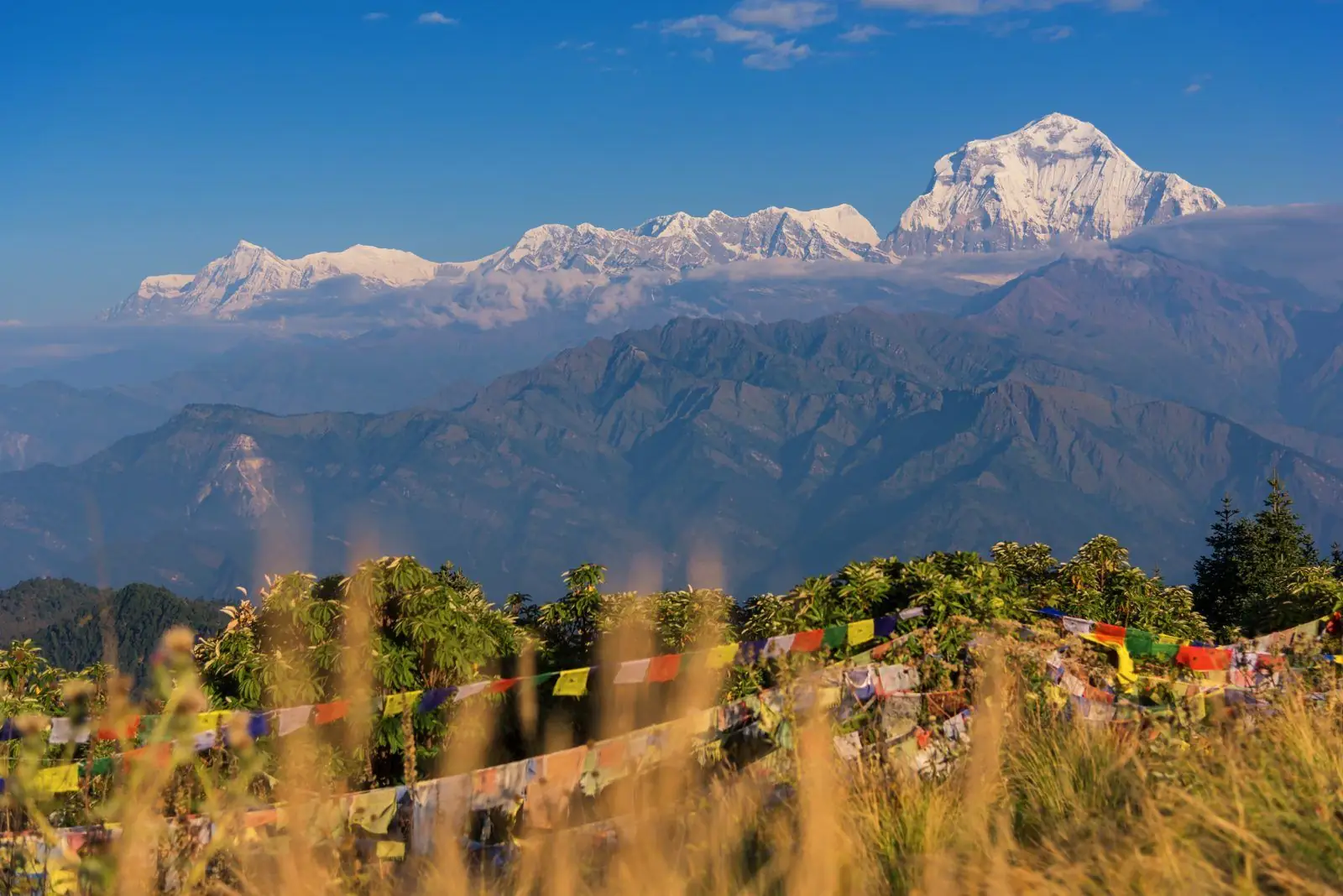
Khopra Ridge. Community lodges on a ridge facing Dhaulagiri, a day and a half from the crowds at Poon Hill.
Pikey Peak. A road-access trek in lower Solukhumbu with a panorama of the range and almost nobody on the trail.
Tamang Heritage Trail. Village stays in Tamang country, easy days and views towards Tibet.
Ruby Valley. A homestay traverse with no restricted permit and very few trekkers.
Nar Phu Valley. Stone villages above 4,000 m and a hard pass.
Rolwaling and Tsho Rolpa. A deep valley under Gaurishankar ending at a great glacial lake, with basic lodges.
Makalu Base Camp. The uninhabited Barun valley and a base camp beneath an 8,000 m wall.
Lower Dolpo. A camping circuit in one of the least populated parts of Nepal.
What "remote" costs you
Quiet trails come with trade-offs. Lodges are simpler or absent, menus shorter, and phone signal and charging uncertain. Help is further away, so travel insurance that covers helicopter evacuation is essential and a guide matters more. Transport is slower. Most people find the exchange well worth it, but it is better to choose with open eyes.
Quiet versions of famous treks
You do not have to leave the main regions to escape crowds. In the Everest area, walking in from Salleri or adding the Gokyo valley and Renjo La thins the numbers sharply. In Annapurna, the upper trail through Ghyaru and Ngawal and the side trip to Tilicho are quieter than the road. Going in early December, late February or late May also helps. See quiet alternatives to Everest Base Camp.
How to choose
Start with your days and your experience. A week and a first trek: Pikey Peak or the Tamang Heritage Trail. Ten days and some experience: Khopra, Ruby Valley or Nar Phu. Three weeks and previous high treks: Makalu, Kanchenjunga or Dolpo.
Season
October to November and March to May for most. Dolpo is a summer trek, May to October.
What a quiet trek is like day to day
On a busy route you choose between lodges and menus. On a quiet one you stay where there is a bed, eat what is cooking and often share the kitchen fire with the family. Evenings are spent talking with your guide and hosts, not with a room of other trekkers. You may walk all day without meeting another group. Many people find these are the days they remember longest.
Guides and safety
A guide is expected throughout Nepal's trekking regions and is especially valuable on little-used trails, for route-finding, for arranging beds and food in villages without signboards, and for dealing with a twisted ankle a day from the road. Carry a small first-aid kit, water treatment and enough cash for the whole route, since ATMs are absent.
Responsible travel in quiet areas
Fewer visitors means your spending matters more. Eat local food, pay fair prices, ask before photographing people and carry your rubbish out. In homestays, follow the family's lead on where to sit, wash and leave shoes.
Common questions
Which is the least crowded trek in Nepal?
Among established routes, Limi Valley, Upper Dolpo and Kanchenjunga see the fewest trekkers.
Are remote treks safe?
Yes with a guide, a sensible plan and proper insurance. The margin for error is smaller than on the main trails.
Can beginners do a quiet trek?
Yes. Pikey Peak, the Tamang Heritage Trail and Khopra Ridge all suit beginners.
Do quiet treks cost more?
Short ones cost less. Long remote ones cost more, because of permits, flights and camping.
Heights, days, fees and rules are approximate and can change, so confirm the current details with us before you book.