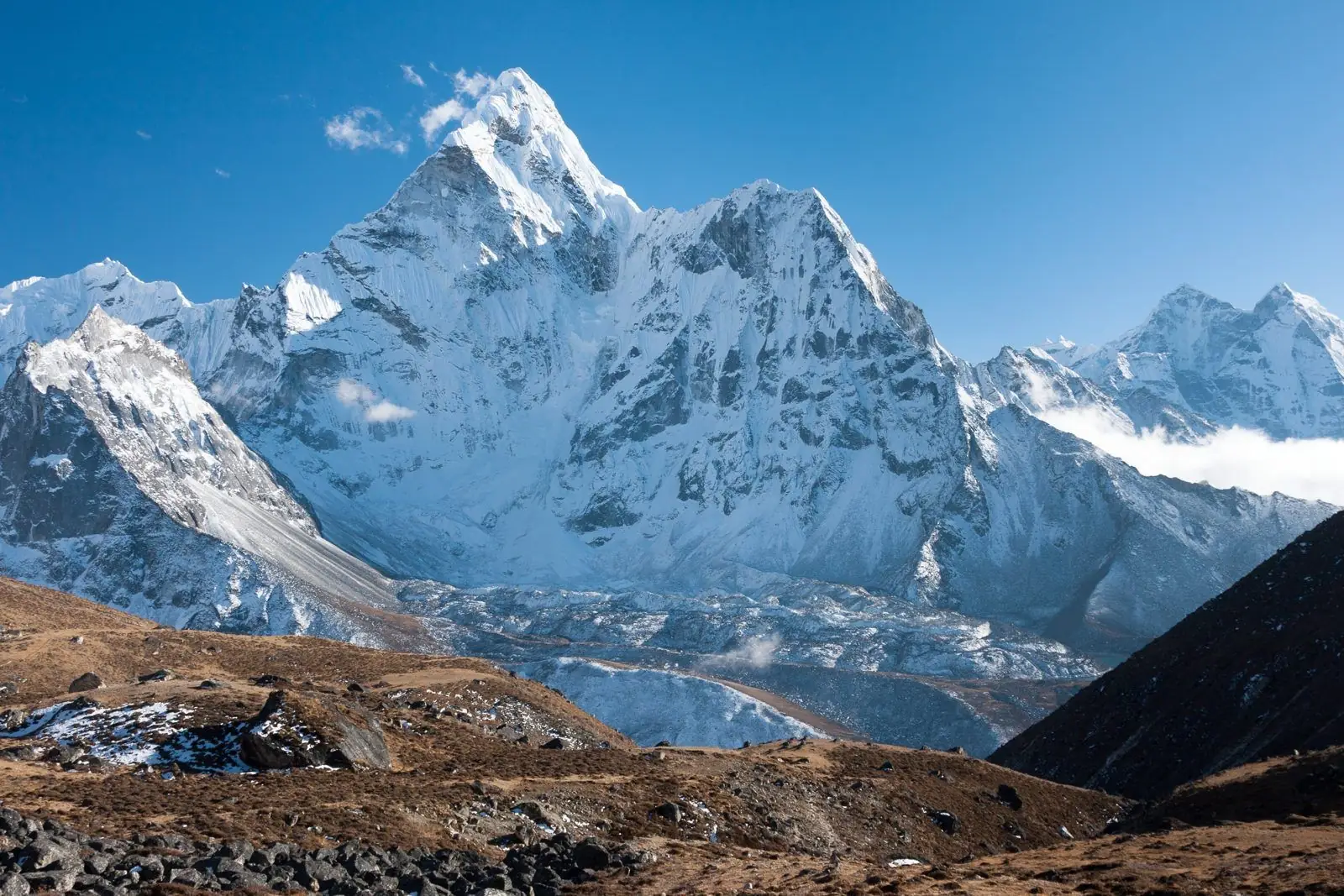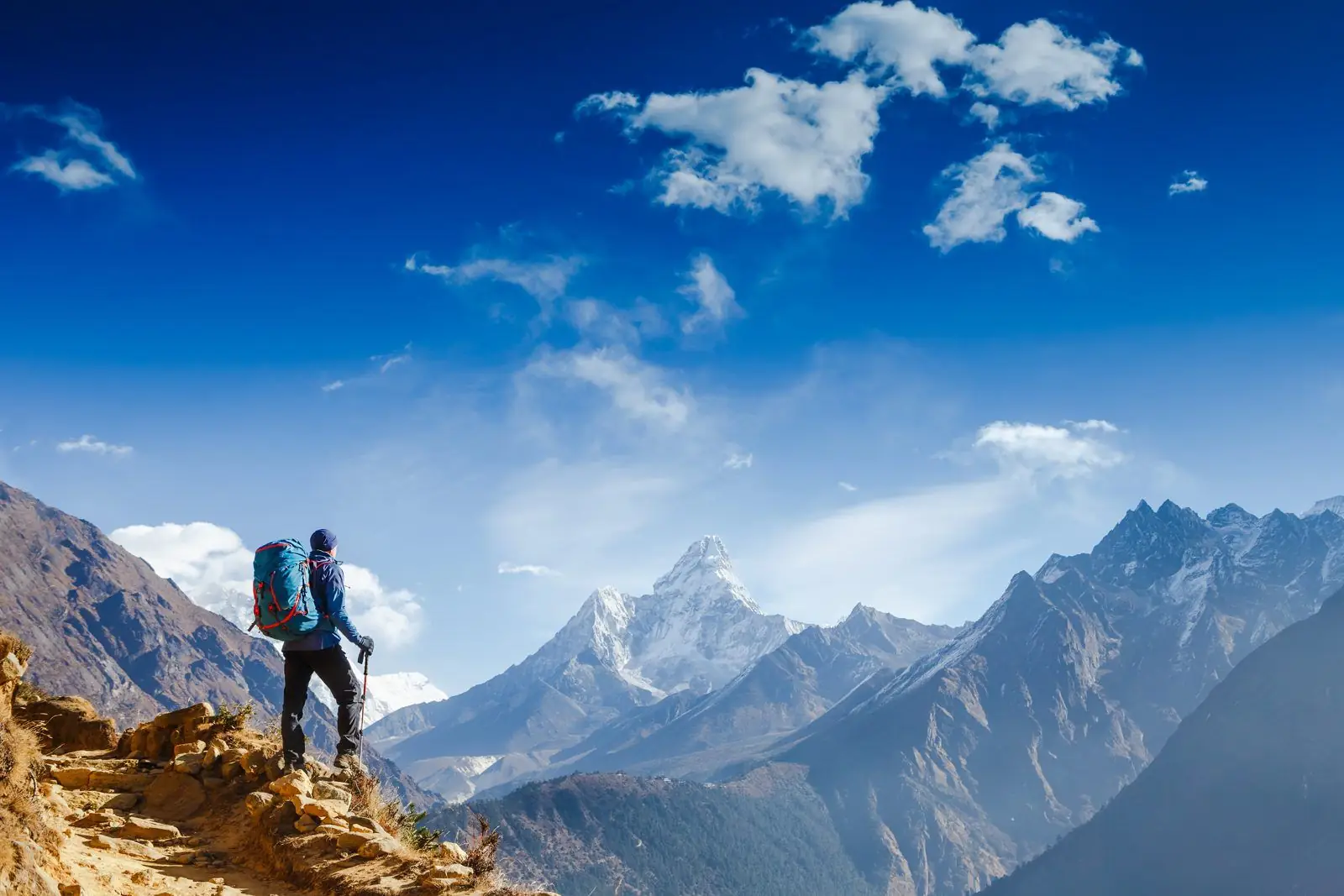
Dingboche is a village of stone-walled barley fields at about 4,410 m, with Ama Dablam rising directly above. It is the standard place for the second acclimatisation day on the Everest Base Camp trek.
Why here
Dingboche sits near the point where most trekkers first feel the altitude. The next nights are Lobuche at about 4,910 m and Gorak Shep at about 5,164 m. A pause at Dingboche gives your body time before them.
What the day is for
The idea is climb high, sleep low. You hike to a higher point, such as about 4,800 m, spend some time there, and return to sleep at Dingboche. This trains your body without raising your sleeping height.
If you skip it
Plans without the Dingboche rest, such as the 10-day plan, are tighter. See 10-day acclimatisation trade-offs.
A rest day is not idle
- Drink plenty of water.
- Eat well even if appetite is low.
- Take a gentle hike, not a long one.
- Wash a few clothes and dry them in the sun.
- Go to bed early.
Next steps
See the best Dingboche hikes and how acclimatisation days work.
A sample rest-day schedule
- Breakfast at 7 a.m. with plenty of fluid.
- A slow hike of two to three hours.
- Lunch and a long rest.
- Afternoon walk around the village or a short stroll.
- Early dinner and bed by 8 p.m.
Common concerns
- Feeling guilty about resting: the day is part of the climb.
- Feeling bored: bring a book or cards.
- Feeling cold: wear layers indoors and use a hot water bottle at night.
Common questions
How high is Dingboche?
About 4,410 m.
Do I have to rest at Dingboche?
Most standard plans include it. Shorter plans may skip it.
What is climb high, sleep low?
Hike up to a higher point and come back to sleep lower.
Hikes and rest balance
A good rest day mixes light exercise with real rest. A short hike up Nangkartshang followed by a lazy afternoon helps your body adapt better than staying in bed all day.
A simple rest day plan
Sleep in, eat breakfast, then hike slowly towards Nangkartshang ridge or Chhukhung for two to three hours. Return for lunch and rest. Aim to climb about 300 to 500 m above your sleeping altitude, then sleep low again.
Eating and drinking
Drink three to four litres through the day and eat carbohydrate-rich meals. Garlic soup, noodles and rice are popular. Avoid alcohol and keep alert for symptoms like headache or nausea.