The short version: three of the most asked questions, answered in a line each. The rest of the page goes into detail.
- What does a typical trekking day look like? Starts are usually at 6 to 7 a.m., with a tea stop mid-morning, lunch by midday and arrival at your lodge by mid-afternoon.
- Which villages do I sleep in on the 12-day route? The nights are Phakding, Namche for two nights, Tengboche, Dingboche for two nights, Lobuche, Gorak Shep, Pheriche and then Namche again.
- What happens if my Lukla flight is delayed? Day 1 is the flight to Lukla, and the plan holds one spare day for weather or a Kathmandu connection.
What does a typical trekking day look like?
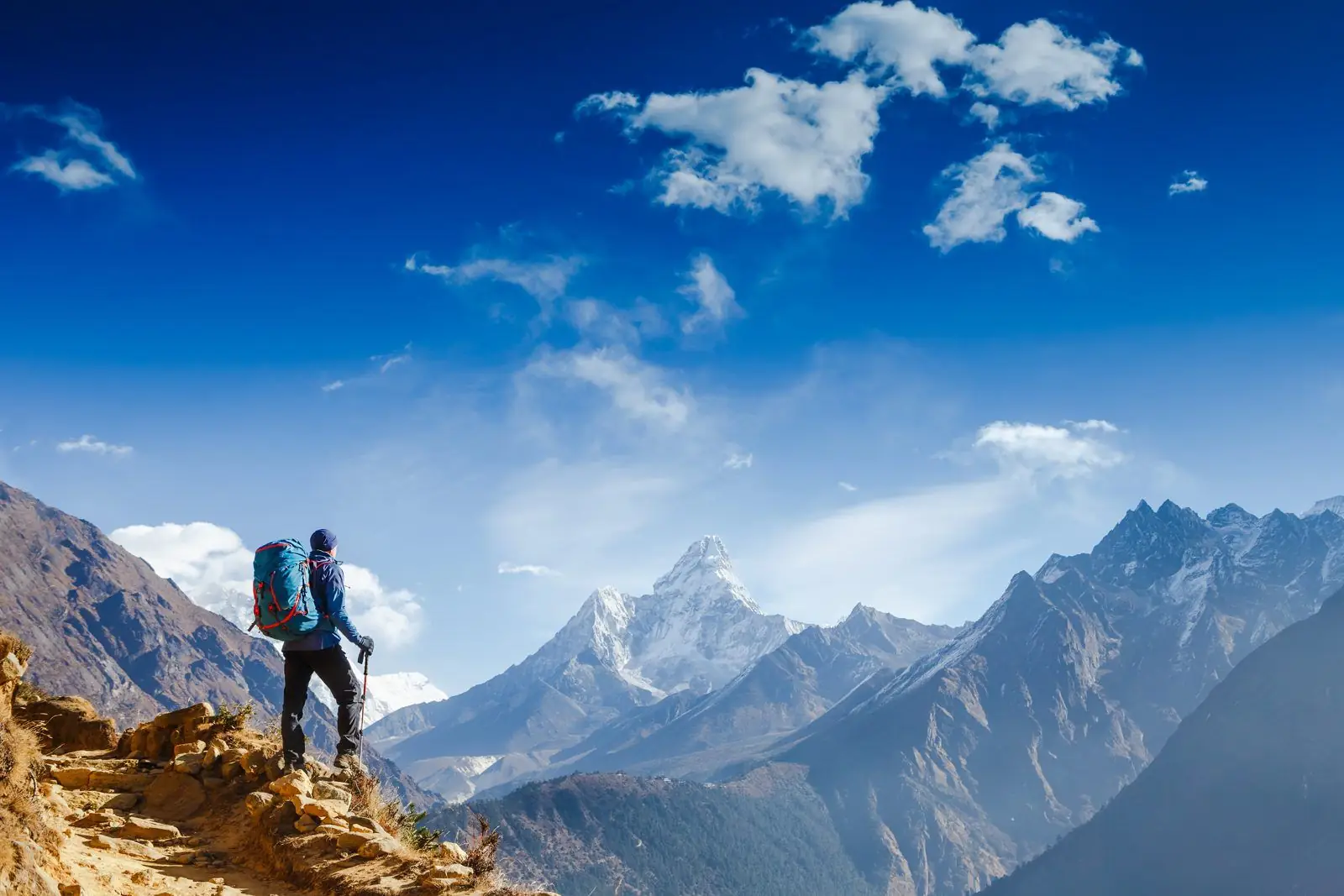
Starts are usually at 6 to 7 a.m., with a tea stop mid-morning, lunch by midday and arrival at your lodge by mid-afternoon. Afternoons bring cloud and wind, while mornings are clearest, so the early start also gives you the best views.
Which villages do I sleep in on the 12-day route?
The nights are Phakding, Namche for two nights, Tengboche, Dingboche for two nights, Lobuche, Gorak Shep, Pheriche and then Namche again. Altitudes are approximate and differ a little between maps, GPS devices and lodges, so treat them as planning figures.
What happens if my Lukla flight is delayed?
Day 1 is the flight to Lukla, and the plan holds one spare day for weather or a Kathmandu connection. Mountain weather can delay flights, so do not book tight onward travel. Check with your operator how they handle delays and rebooking.
Where do I descend after Kala Patthar?
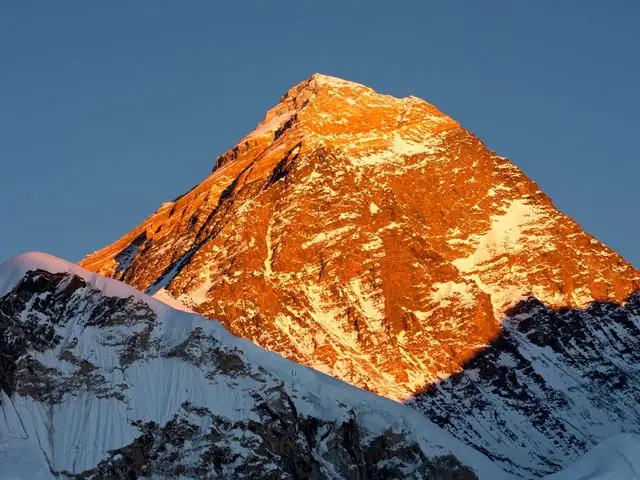
After Kala Patthar at about 5,545 m, the plan goes down to Pheriche at about 4,371 m or to Pangboche. You then continue to Namche Bazaar, and finally to Lukla for the flight out. Your guide can choose based on how you feel.
Do variations on the 12-day plan cost more?
Extra nights add lodge and guide costs, and helicopter flights are priced separately. Swapping villages or splitting Gorak Shep changes the plan more than the price. Ask your operator for a clear quote for each option so you can compare them.
What should I pack for cold mornings and windy afternoons?
Bring layers you can add or remove, including a base layer, fleece, down jacket and windproof shell, plus a warm hat, gloves, sunglasses and sunscreen. Add a headlamp for early starts. Lodge rooms are often unheated, so a warm sleeping bag helps.
How do I handle cash and phone charging on the trail?
Carry enough rupees in small notes, because cash machines are rare on the upper trail. Many lodges charge a fee for charging devices and Wi-Fi, and signal can be patchy. A power bank is useful. Check with your operator what is included in your package.