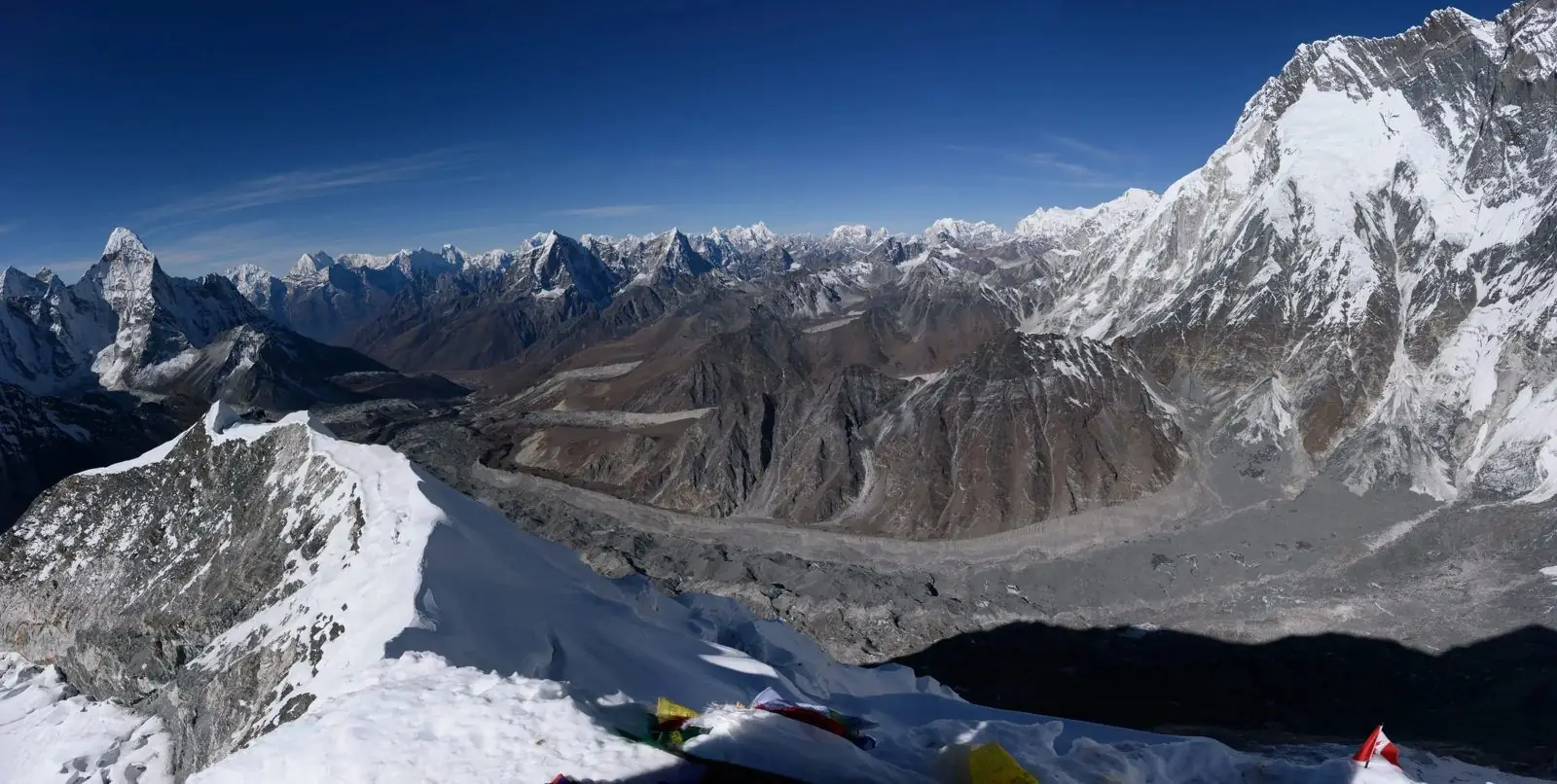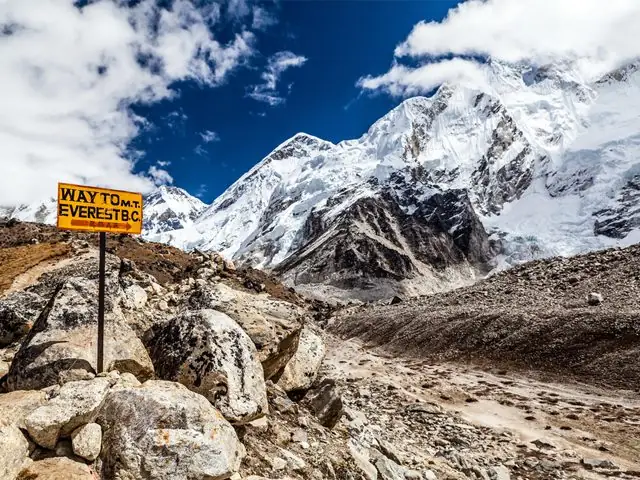
The short version: three of the most asked questions, answered in a line each. The rest of the page goes into detail.
- Does skipping Kala Patthar reduce altitude risk? It reduces it somewhat but does not remove it.
- What symptoms mean I should not continue to base camp? Do not continue with a worsening headache, vomiting, unusual breathlessness at rest, confusion or unsteady walking.
- How cold will I be on the walk to base camp? Expect it to be cold, especially in the shade, when the wind rises or after the sun drops.
Does skipping Kala Patthar reduce altitude risk?
It reduces it somewhat but does not remove it. Kala Patthar is about 5,545 m, a few hundred metres above base camp at about 5,364 m, so you still spend time at very high altitude. The biggest benefit comes from sleeping lower and descending sooner.
Is sleeping at Pheriche safer than staying at Gorak Shep?
Generally yes. Pheriche is at about 4,371 m, while Gorak Shep is about 5,164 m, so you sleep much lower and usually recover better. Sleeping altitude matters more than the highest point you visit in a day, which is why this plan suits many trekkers.
What symptoms mean I should not continue to base camp?
Do not continue with a worsening headache, vomiting, unusual breathlessness at rest, confusion or unsteady walking. Mild headache and poor sleep are common, but tell your guide. Rest, do not go higher while symptoms persist, and descend if they do not improve.
How cold will I be on the walk to base camp?
Expect it to be cold, especially in the shade, when the wind rises or after the sun drops. Nights at Lobuche and Gorak Shep can fall to minus 15 C or lower in colder months. Wear layers, windproof gear, warm gloves and a hat, and carry a spare layer.
Is climbing in the dark for sunrise risky?
It carries extra risk because of cold, thin air and uneven ground. If you do climb at dawn, use a headlamp, go slowly and stay with your guide. If you skip Kala Patthar, you avoid that early start entirely, which some trekkers find a relief.
Do I need helicopter evacuation insurance for this plan?
Yes. Even if you skip the highest viewpoint, base camp is at about 5,364 m and you walk through remote country where evacuation is by helicopter. Choose a policy that covers trekking to that altitude and emergency helicopter evacuation, and keep the policy number with you.
What should I eat and drink on the base camp day?
Eat a proper breakfast and carry snacks and water. Sip regularly, even when it feels cold, since dehydration makes altitude symptoms worse. Skip alcohol. Have lunch at Gorak Shep, treat or boil your water, and keep hot tea or a flask in your daypack.