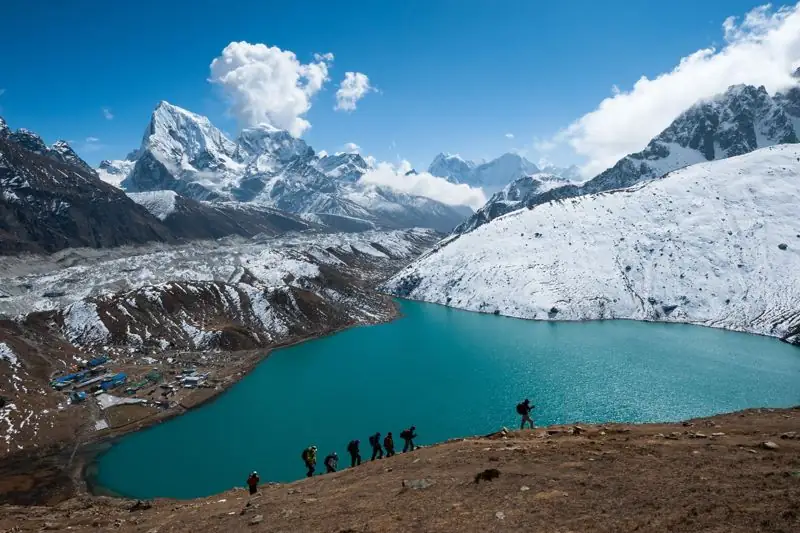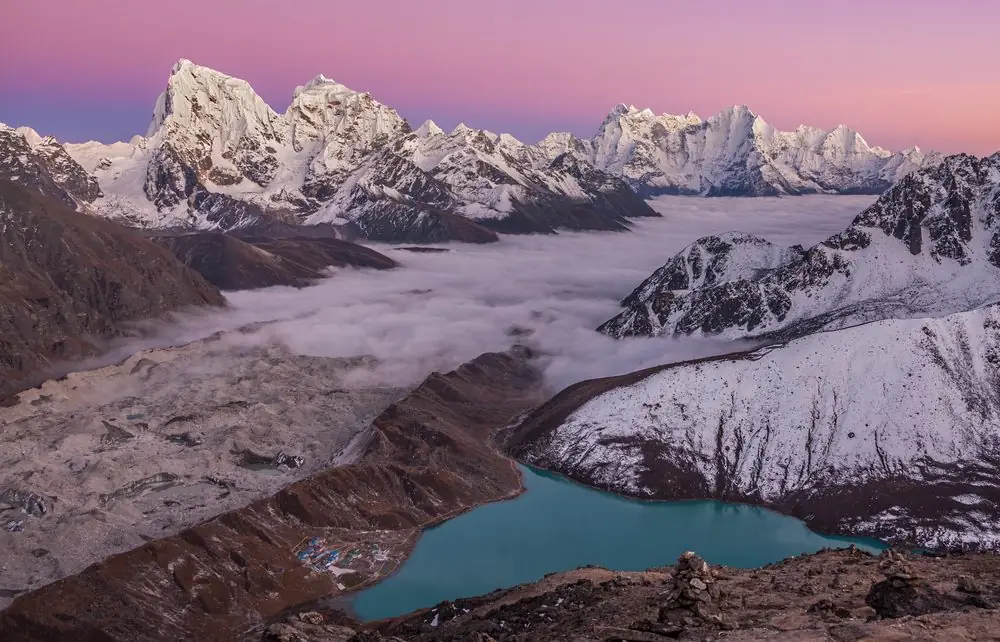
May is the warmest month for the trek, with long days and the Everest climbing season at its peak. Cloud and haze build in the afternoons, and late May edges toward the monsoon, so plan flexibly.
Weather
Daytime is warm on the lower trail and mild at height, with nights above 4,500 m still below freezing. Pre-monsoon cloud builds in the afternoons and can bring showers late in the month.
Views
Early starts give the best views, because haze and cloud grow through the day. Late May has fewer clear days than April.
Climbing season
Summit attempts on Everest happen when weather windows open, usually in the second half of May. Base camp is busy and lively.
Flights
Cloud can delay Lukla flights more often as the monsoon approaches. Keep a spare day and see who pays for delays.
Indian summer holidays
May suits many Indian families on summer break, but June moves into monsoon. See Everest Base Camp for Indian holidays.
Warmth and haze
May brings the warmest temperatures of the spring season. Days at Namche feel pleasantly mild and even Gorak Shep can be comfortable at midday. The price is haze, because dust and smoke rise from the lowlands and soften distant views. Mornings are still the clearest time to see Everest and Lhotse.
Late-season risks
By the second half of May, afternoon cloud and occasional storms increase as the pre-monsoon builds. Trails can be wet in the lower sections and Lukla flights may be delayed by cloud. Early starts and a spare day make the trek smoother.
Who May suits
Trekkers who prefer warmer days, can start early and accept some cloud risk.
Packing for the warm season
Days are mild at lower altitudes but still cold near Base Camp. Bring a light down jacket, sun protection and a rain layer. Mornings are the best time for clear mountain views.
Expect afternoon cloud
As the day warms, cloud builds around the peaks, so start early for views. Late May can bring the first pre-monsoon showers, so keep a spare day.
Climbing season at Base Camp
May is the main summit month on Everest, so Base Camp is a lively tent village. You may see helicopter flights, yak trains and teams preparing for the climb. Do not expect to see Everest summit attempts from Gorak Shep, but you can watch the Khumbu Icefall from Base Camp areas on clear days.
Heat, haze and pre-monsoon cloud
Late May brings warmer lower valleys and building cloud. Mornings stay the best time for views, and storms can arrive in the afternoon. Keep a spare day for flights, which become less reliable as the monsoon approaches.
What our guests say
Excerpts from trekker reviews on our reviews page.
“Everything was handled professionally and with great attention to detail, from permits to on-ground support.”