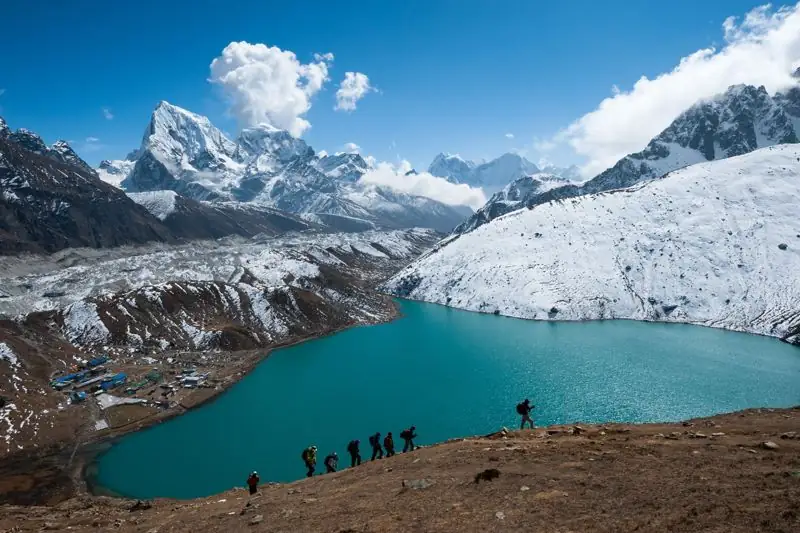
You can carry your own bag, but most trekkers find the trek far more enjoyable with a porter. The trail is long, the climbs are steep and the air gets thin, so every kilogram on your back matters.
What a porter does
A porter carries your duffel bag from lodge to lodge, usually setting off early and often arriving before you do. You carry only a light daypack with what you need through the day. In many arrangements, one porter carries the bags of two trekkers within a set weight limit.
Why it helps
- Lighter load means less fatigue and fewer knee and back problems.
- More energy for the altitude, for photos and for enjoying the walk.
- Many porters travel for days from their villages to reach Lukla for seasonal work, so your payment is a real part of the local economy.
Is it unfair?
Some trekkers feel uncomfortable having someone else carry their gear. In practice, the job is legitimate work, and the ethical question is not whether to hire a porter but how they are treated. Look for an operator that pays fair wages, provides insurance, supplies warm clothing and sets sensible weight limits.
Good practice
- Pack within the stated limit, and do not add extras at the last minute.
- Learn your porter's name and talk to them.
- Do not ask porters to carry a bag that is wet, unlabelled or overloaded.
- Tip fairly at the end of the trek.
Carrying your own bag
If you want to carry everything, practise with a loaded pack for weeks beforehand and keep it light. Consider hiring a porter only for the heaviest days if that suits you better.
We include a porter in many of our plans. Tell us if you prefer another arrangement.
Hiring through a registered operator
The simplest way to hire a porter responsibly is through a licensed trekking company that provides proper insurance, equipment and fair pay. Ask how the porter is paid, whether he or she has warm clothing and shelter, and whether the company follows recognised porter welfare guidelines. A good operator will be proud to answer these questions and will not pressure you to reduce standards in order to cut the price.
The relationship on the trail
Many trekkers form friendly bonds with their porters, sharing tea, jokes and stories. Treat porters as colleagues, not servants. Learn their names, ask about their villages and thank them each day. Keep your bag packed and tidy so that it is easy to carry, and do not add extra items at the last minute. If you are worried about the weight, discuss it with the guide rather than quietly adding items.
What porters need from you
Porters walk in all weather, often in light footwear, and they sleep in the same lodges as trekkers but in simpler rooms. Make sure they have adequate clothing, food and a warm place to sleep. If the weather turns, check that they are safe and able to continue. Pay or tip fairly, and avoid bargaining over small amounts.
Points to settle before you go
- The weight limit for the porter and how it is measured.
- Who arranges the porter's insurance and equipment.
- Whether one porter is shared between two trekkers.
- How the tip will be given and divided.

What our guests say
Excerpts from guest reviews of Himalayan Wonders, our parent company, on Tripadvisor.
“Garba Rai was the best I could have hoped for.”