The best seasons for the Everest View trek are spring, from March to May, and autumn, from late September to November. In these months the air is clear, the weather is relatively stable and the flight to Lukla is most likely to operate. The short length of the trek means it is also possible in the shoulder months with the right expectations.
Autumn: late September to November
Autumn is the most popular season. October offers sharp views, warm days and cold nights, with the highest number of trekkers. November is colder, quieter and often very clear, with a good chance of seeing Everest from the viewpoint. Nights at Tengboche and Khumjung can fall below freezing.
Spring: March to May
Spring is warmer and greener, with rhododendrons flowering in April and May. Views can be hazy by afternoon, and clouds build later in the day. Early spring can still be cold, and snow is possible at the higher stops.
Winter
December to February is cold, with clear mornings but very cold nights and the possibility of snow. The trek is possible, because the maximum height is modest, but lodges may be less comfortable and some close. Flights can be disrupted.
Monsoon
From June to early September, rain, cloud and leeches make the walk less enjoyable and views are limited. Flights are often delayed. It is not recommended for the Everest View trek unless you accept the risk.
How to choose
- Choose October for the most reliable weather and the busiest trail.
- Choose November or early March for quiet trails and crisp views.
- Choose April for flowers and warmer days.
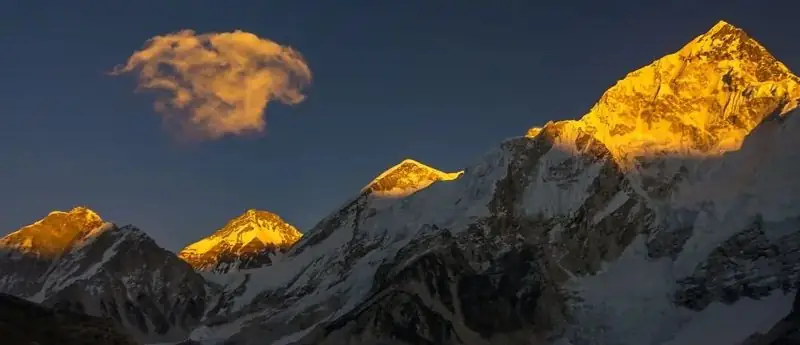
Morning is best for views
Clouds often hide the peaks by midday. Plan to be at the viewpoint in the morning, and if you can, keep a spare morning so you can try again in better weather.