Good preparation improves your safety and your enjoyment. The goal is a body that can walk for many hours at a steady pace, day after day, in thin air.
Aerobic base
Build endurance with brisk walking, running, cycling or swimming, three or four times a week. Add one longer session per week, gradually extending it to several hours.
Loaded hiking
Hikes with a pack, on hills or stairs, are the most specific training. Increase the weight and duration slowly, and wear the boots you will use on the trek.
Strength
Focus on legs, core and back: squats, lunges, step-ups and planks. Strong legs protect your knees on long descents.
Altitude preparation
If you can spend time at moderate altitude before the trip, it helps, but it is not essential. A well-paced itinerary does the main work.
Skills
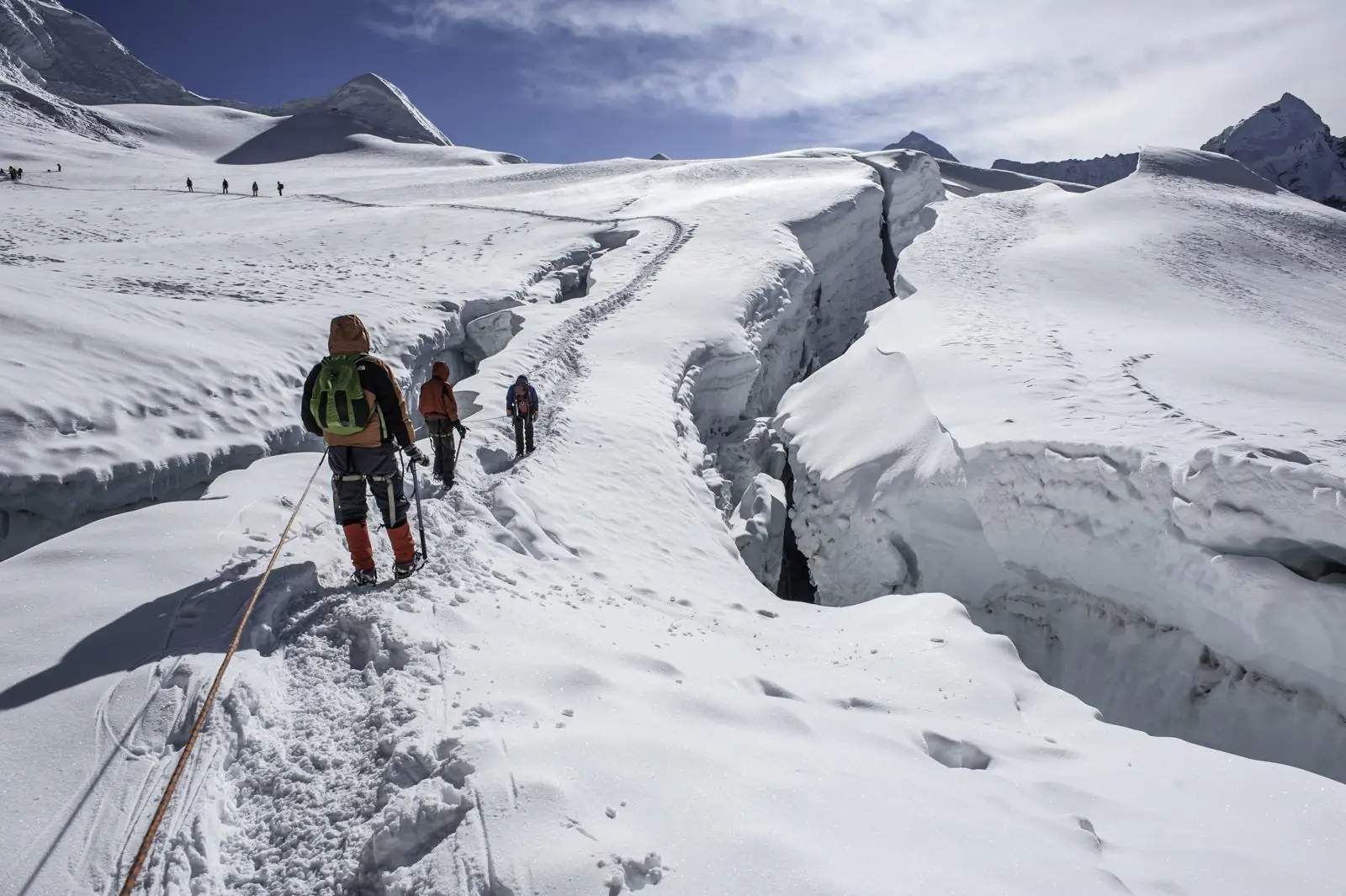
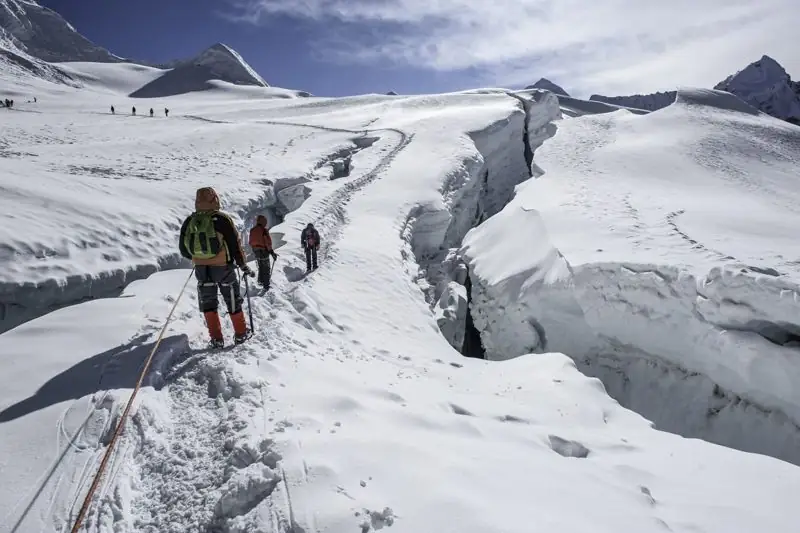
- Practise walking in crampons if you have access to snow or an indoor facility.
- Learn to use an ascender and rappel device, ideally with an instructor.
- Get comfortable in a harness and helmet.
Time frame
Three to six months of consistent training is a sensible target for most people. Start with a medical check and listen to your body.
Mental preparation
Summit day is long and uncomfortable. Practising long days and dealing with cold and tiredness builds the resilience you will need.
Training that matters most
Consistency beats intensity. Regular, sustainable sessions over months beat last-minute efforts.
Building a routine you can sustain
A reasonable plan is three to five sessions a week combining long walks, aerobic work and strength training. The point is not to peak early but to arrive at the start line fit, healthy and uninjured. Rest days are part of the programme, and a sudden spike in volume close to departure tends to cause injury rather than fitness.
Working with a loaded pack
Practise carrying a modest pack on long hill walks and stairs, so your back, hips and feet adapt to hours under load. Add weight gradually and wear the same boots you will use. Descents matter as much as ascents because tired knees are a common problem on the long walk out.
Learning the climbing movements
If possible, attend a basic mountaineering or glacier course, or practise with an experienced friend, before you travel. Learning how to wear crampons, use an ascender and follow rope etiquette makes the first day at base camp calmer. Even a day at an indoor climbing wall helps with comfort on ropes and with balance.
- Include back-to-back long days in your plan.
- Train your core and legs, especially calves and glutes.
- Practise eating and drinking while you move.
A twelve-week outline
Weeks one to four build an aerobic base with long, easy sessions. Weeks five to eight add hills, stairs or weighted hikes of three to five hours. Weeks nine to eleven include back-to-back long days and some practice with gear, such as crampons and an ascender, if possible. Week twelve is a taper, with lighter sessions and extra rest. Adjust the schedule to your starting fitness.
Strength work that helps
Focus on legs, core and shoulders. Squats, lunges, step-ups, planks and rows build strength for steep ground and carrying a pack. Calf raises protect against fatigue in the lower legs. Keep the sessions short, and prioritise good form to avoid injury close to your trip.
Altitude simulation and heat training
Some climbers use altitude tents or masks, but results vary and are not a replacement for time at altitude. A better approach is to schedule a few nights above 2,500 metres in the months before travel, if possible. If not, rely on sensible itinerary design on the trek.