




The short version: three of the most asked questions, answered in a line each. The rest of the page goes into detail.
- Why do most teams climb Lhotse in spring? Spring is the main season because winds ease and temperatures are more bearable before the monsoon.
- How long would I be away from home for a Lhotse climb? Plan on about two months in the Khumbu, plus travel to and from Kathmandu.
- Which peaks should I climb before thinking about Lhotse? Build up through several 6,000 m and 7,000 m peaks, ideally with an 8,000 m summit behind you.
Can a trekker with no climbing background attempt Lhotse?
No. Lhotse is an 8,000 m expedition peak, not a trek. Operators ask for previous experience on 6,000 m and 7,000 m peaks, ideally an 8,000 m summit, plus strong rope skills and comfort on steep ice. Many people build up over several seasons first.
How long should I prepare before a Lhotse expedition?
Allow at least a year. Preparation includes endurance training, practice with crampons and fixed ropes on lower peaks, and learning to use supplemental oxygen. Start early so you can also arrange insurance, time off and the expedition booking.
Why do most teams climb Lhotse in spring?
Spring is the main season because winds ease and temperatures are more bearable before the monsoon. Teams usually spend about two months in the Khumbu, from late March or early April to late May. Autumn expeditions are rare because of colder weather and stronger winds.
How long would I be away from home for a Lhotse climb?
Plan on about two months in the Khumbu, plus travel to and from Kathmandu. Teams usually arrive in Kathmandu in late March, reach base camp by mid April and wait for a weather window in mid May. Spare time is important.
Is Lhotse harder than Everest?
They are hard to compare directly. Lhotse climbers face the same hazards as on Everest, plus the exposure of the Lhotse Face and the narrow couloir below the summit. The difficulty comes mostly from altitude, steepness and cold rather than extreme technical grades.
Which peaks should I climb before thinking about Lhotse?
Build up through several 6,000 m and 7,000 m peaks, ideally with an 8,000 m summit behind you. Choose climbs that let you practise ice, rope work and long summit days at altitude, and keep notes on how your body handles each step.
Can I see Lhotse on a trek instead of climbing it?
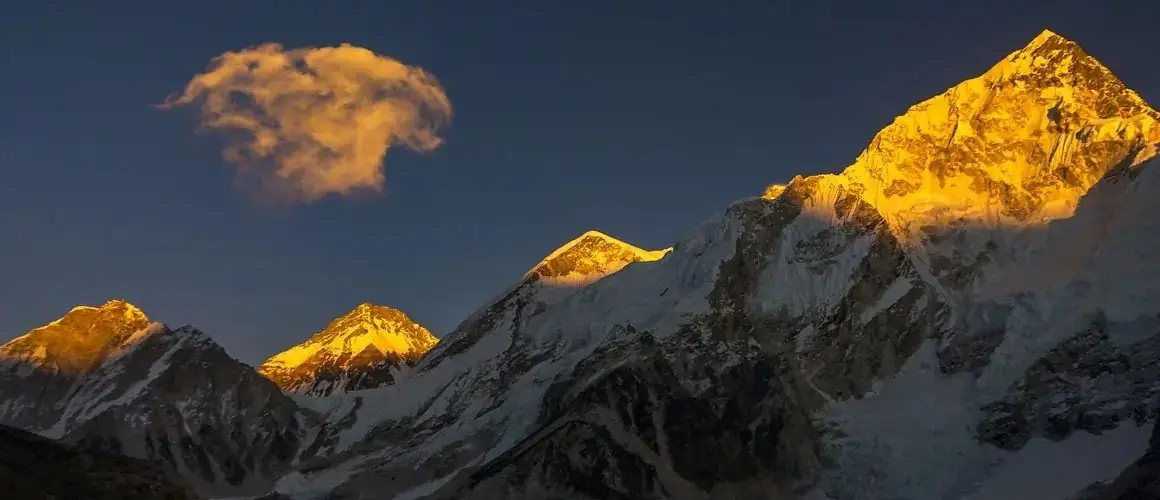
Yes. Lhotse is visible from many points on the Everest trail. The best are Dingboche and Chhukung, where the south face fills the sky, and Kala Patthar, where Lhotse, Nuptse and Everest appear together. It makes a fine trekking goal.


