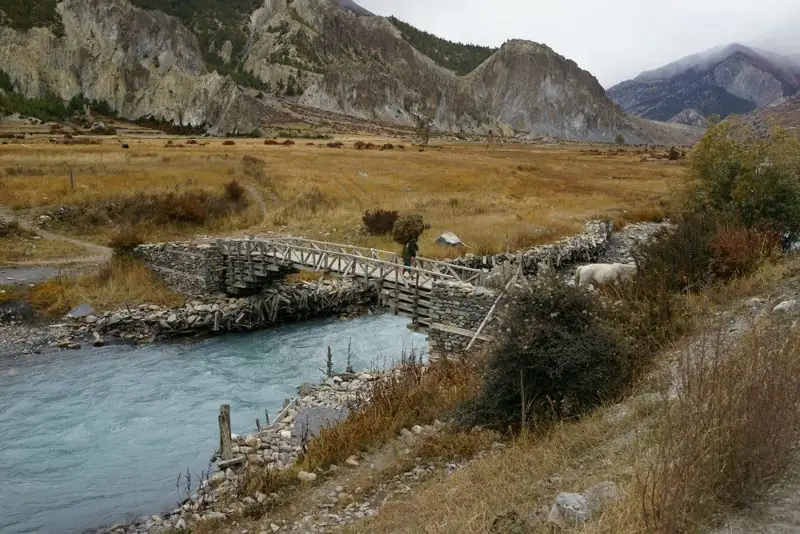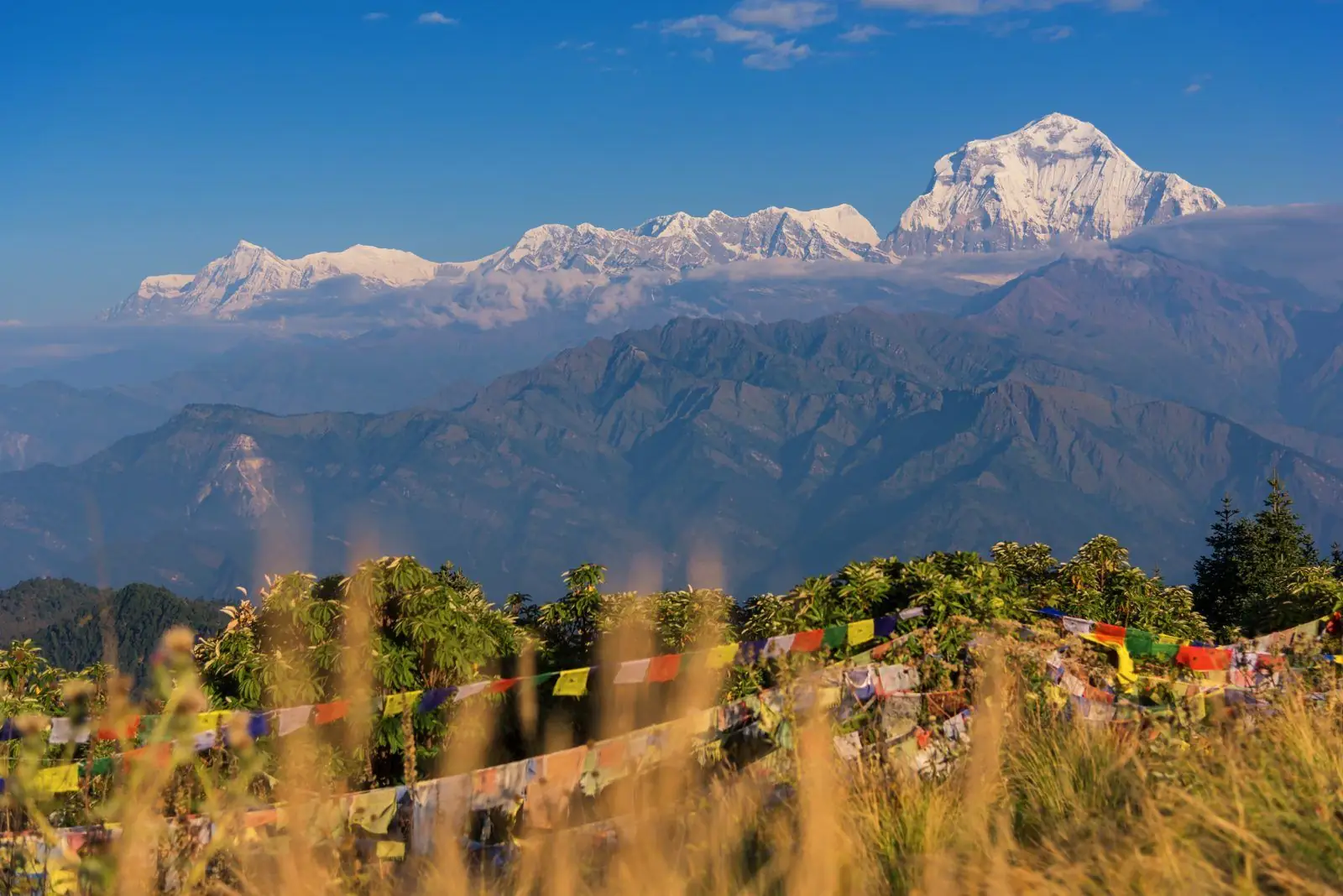
The Kali Gandaki valley is a place where geology and religion meet. Dark, rounded stones from the riverbed, often containing fossils, are sacred to Hindus as shaligrams, representing the god Vishnu. Behind them lies a story that is millions of years old.
What are shaligrams?
A shaligram is a smooth, dark stone, often containing a spiral fossil of an ammonite, an extinct marine animal. Hindus regard them as natural manifestations of Vishnu and worship them in homes and temples. Many are collected in the Kali Gandaki and its tributaries, and sold or given as religious objects.
Why fossils on a mountain river?
The rocks of this region were once part of the seabed of an ancient ocean called Tethys, which lay between India and Asia. When the Indian plate collided with Asia, the sediments were pushed up, folded and lifted into the Himalaya. The fossils in the rocks are marine creatures from that sea. Rivers like the Kali Gandaki erode the rock and carry fragments downstream.
The valley itself
The Kali Gandaki cuts a deep gorge between Dhaulagiri and the Annapurna range. The river is older than the mountains, in the sense that it kept cutting down while they rose, a process geologists call antecedent drainage. The result is one of the world's deepest river valleys by some measures, though comparisons depend on how depth is defined.
Seeing fossils responsibly
- Look, but do not dig into cliffs or terraces.
- Check the rules with local people and authorities before collecting anything.
- Respect religious beliefs: for many people, these stones are sacred.
- Do not buy fossils from sellers if you are unsure about their origin or legality.
- Taking fossils out of Nepal may require documentation. Ask before you travel.
Where to learn more
Local people, lodge owners and guides often have stories about shaligrams and their use. Jomsom and Muktinath have shops that sell religious objects. Ask politely, and keep respect for beliefs in mind.
Other geology to notice
- Colourful layers of rock in the cliffs above the valley.
- Terraces and alluvial fans created by tributary streams.
- Signs of landslides and erosion along the road and trail.
- Wind-eroded slopes and stones, especially north of Jomsom.
Why it matters for trekkers
The same geology shapes your walk: unstable slopes, loose stones, narrow gorges and dramatic scenery. It is also a reminder that these mountains are young, active and still rising.
Geology on a short walk
You can see the geology without a hammer. On the walk from Jomsom to Kagbeni, notice the layered cliffs, the pale river terraces and the colourful stones in the river bed. Ask your guide to point out ammonite fossils in stones displayed in shops, and treat them as part of a living tradition rather than as souvenirs.
Responsible choices
If you wish to buy a shaligram, choose a seller who is open about its origin and who can explain how it should be treated. Many Hindu families keep a shaligram in a household shrine and offer it daily prayers. It is not a decoration. If you are unsure, enjoy the stone in the river and leave it there.
Common questions
What is a shaligram?
A dark, rounded stone, often with an ammonite fossil, regarded by Hindus as a sacred form of Vishnu.
Can I collect fossils?
Check local rules and respect beliefs before collecting. Export may require documentation. Ask your guide or local authorities.
Why are there marine fossils in the Himalaya?
The rocks were once seabed sediments of the ancient Tethys Ocean, uplifted when India collided with Asia.