The short version: three of the most asked questions, answered in a line each. The rest of the page goes into detail.
- What can the Himalayan Rescue Association post do for me? The seasonal clinic offers free altitude talks, medical advice and basic care, and treats altitude illness and common ailments.
- When is the daily altitude talk? During the main spring and autumn seasons, volunteer doctors usually give a talk around 3 p.m.
- How much higher should I climb on my rest day? A gain of 300 to 500 m above your sleeping height is a useful target, then return to sleep in Manang.
What can the Himalayan Rescue Association post do for me?
The seasonal clinic offers free altitude talks, medical advice and basic care, and treats altitude illness and common ailments. Consultations carry a fee that supports the service. The doctors advise whether to ascend, rest or descend.
When is the daily altitude talk?
During the main spring and autumn seasons, volunteer doctors usually give a talk around 3 p.m. Times can change, so confirm with your guide or at the post. It is worth attending even if you feel fine.
How should I spend my first day if I drove to Manang?
Treat arrival as a rest day, not a free one. Rest, hydrate and avoid strenuous activity. Use a rest-day hike only after a full night's sleep, and add a second night. Keep walking gentle, eat even without appetite, and tell your guide about any headache or nausea right away.
How much higher should I climb on my rest day?
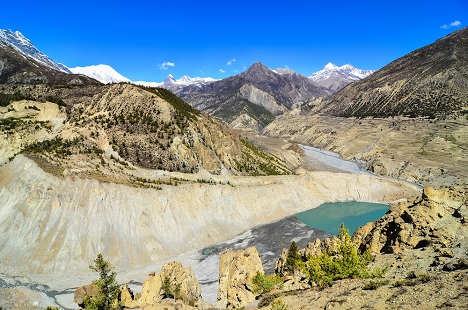
A gain of 300 to 500 m above your sleeping height is a useful target, then return to sleep in Manang. Gangapurna Lake is easy, while Ice Lake gains over 1,000 m and is not a gentle rest-day walk.
Which symptoms mean I should see the doctors before going higher?
A headache, nausea or poor sleep that does not improve, breathlessness at rest or swelling. Also visit if you have a medical condition and want advice, or if you are unsure after a bad night.
What if the doctor tells me to descend?
Follow the advice. The doctors cannot guarantee that you will complete the trek, and their job is to judge your condition. Never argue because of a schedule or a flight; descending is the safer decision.
Is it safe to fly or drive straight to Manang?
It is possible but poor for acclimatisation, since arriving at 3,540 m that quickly gives an abrupt gain. A flight to the Humde airstrip is worse. Slow down, add days and ensure your insurance covers evacuation.
What our guests say
Excerpts from trekker reviews on our reviews page.
“His professionalism, knowledge of the mountains, and calm attitude gave us so much confidence during the trek.”