




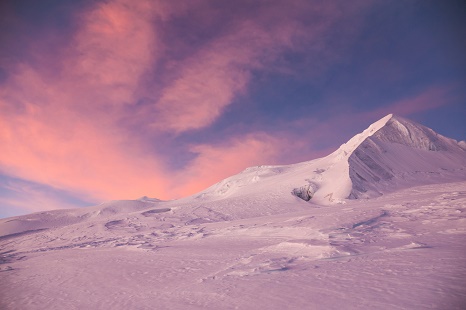
Mera Peak is a long expedition-style trek with a glacier summit. A registered guide and a team are expected, and a group of two to six works well.
Why not solo
The route is remote and the summit crosses glacier with crevasses. Weather and altitude can change conditions quickly, and permits require a registered agency.
Partners
Two climbers with a guide can move flexibly. Watch each other for altitude illness and agree on a turnaround time.
Groups
Groups share costs and logistics. Check the guide ratio and the acclimatisation plan. A good plan includes rest days and a gradual rise.
Role of the guide
Guides check gear, set start times and fix ropes. Follow their instructions on summit day.
Choosing a team
A good Mera Peak team has at least one guide for every two climbers, clear acclimatisation plans and a safety protocol. Ask about the summit day plan, the start time and what happens if a climber is slow. Ask for references from previous clients.
Cost sharing
Group size affects the cost per person. Large groups save money, but small groups move more flexibly. Four to six climbers with two to three guides is a good balance for most teams.
A good day on Mera
Early mornings, steady walking and long breaks for tea shape the days. The team grows closer as altitude rises. Good guides keep the mood positive and check on everyone. Look for a team that values safety over summit statistics.
Gear sharing and comfort
Teams often share items such as tents, stoves and ropes. Agree who carries what, and keep personal items in your own bag. A tidy tent and organised gear make life easier at high camp.
Advice
Train well and pick a reputable operator. See how hard the climb is.
Choosing a pace
A well-matched group moves smoothly and enjoys the summit together. Discuss expectations before you start.
Tent sharing at high camp
Sharing a tent keeps warmth up and cost down. Bring earplugs and a good attitude.
A long approach
Mera Peak, about 6,476 m, is reached by a multi-day walk through the Hinku valley, passing Khote and Thangnak before Khare at about 5,045 m. The trek itself is a test of endurance, so choose companions who can handle long days.


