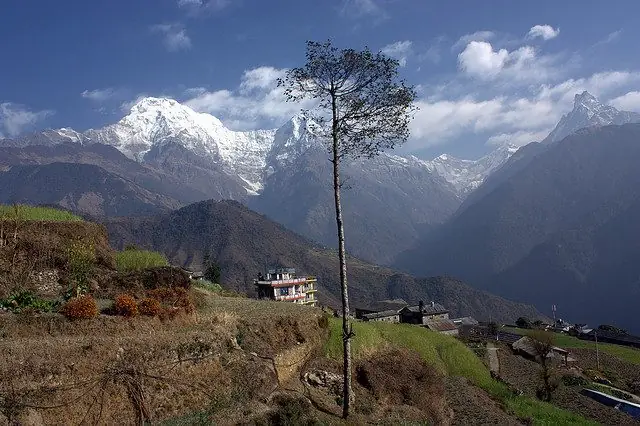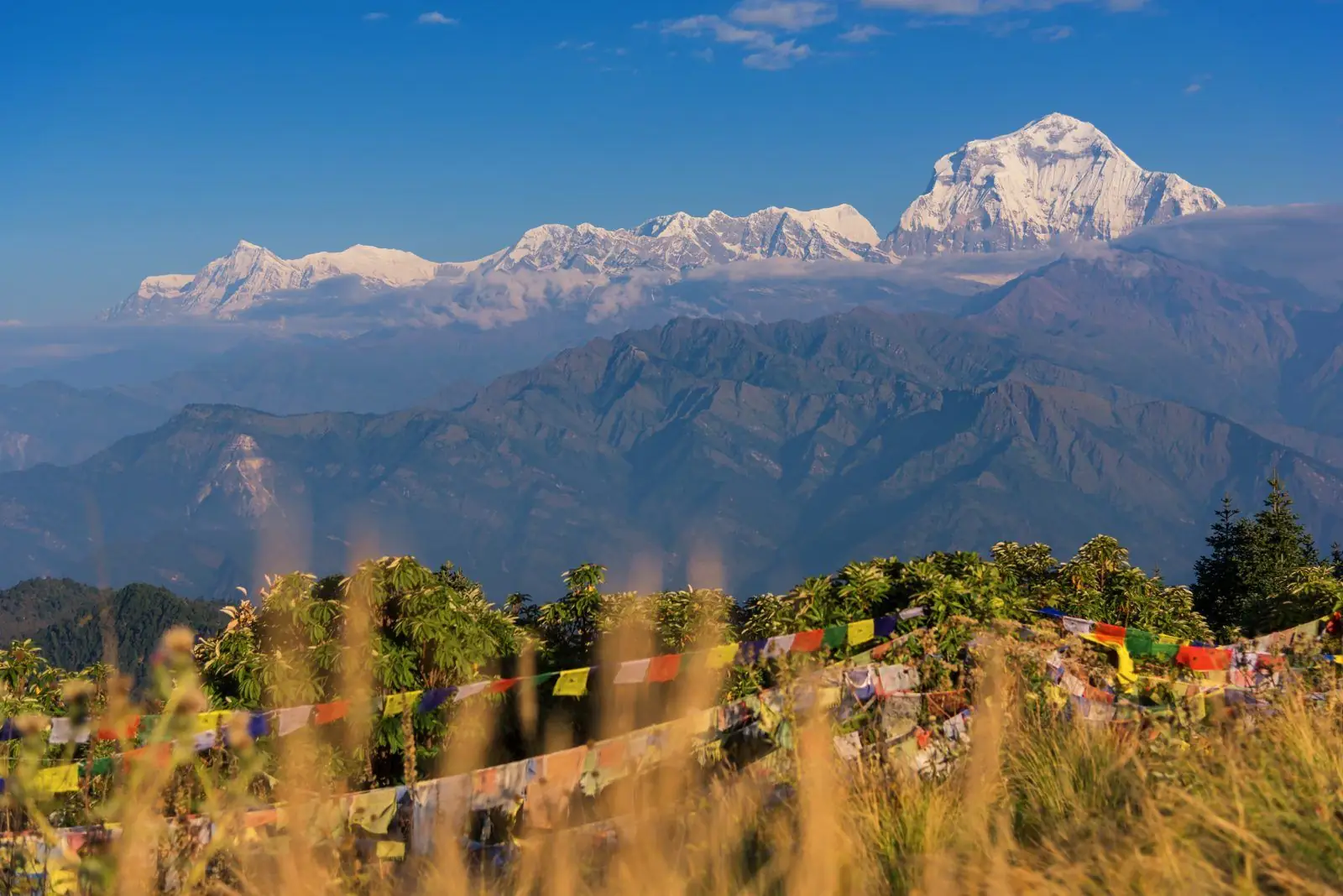
Nar Phu is a high, dry region where snow on the Kang La matters more than rain in the valley. There are two prime windows, spring and autumn, and two seasons that need care, monsoon and winter. Because the area is quiet and the lodges are small, the right month matters more than on the busy Circuit.
Autumn: late September to November
Autumn is the most reliable season. Skies are clear, nights are cold but dry, and the pass is normally free of heavy snow in October and early November. Late September can still bring monsoon leftovers, with cloud in the gorge and wet trails. By mid-November nights are very cold at Phu and Nar, and snowfall risk on the Kang La rises. Autumn is also the busiest time for permits, so apply early.
Spring: late March to May
Spring brings longer days, rhododendron in the lower gorge and fewer people than autumn. The pass can still be snowy in early April, and a fresh storm can close it for a day or two. May warms the valley but brings afternoon cloud and more haze in distant views. For many walkers, mid-April to mid-May is the second-best window.
Monsoon: June to early September
The monsoon is lighter north of the Annapurna range than on the southern side, which is why the region is described as being in the rain shadow. That does not mean it is easy. The lower gorge is exposed to landslides and swollen streams, leeches are common in the lowest forest, and cloud hides the views. Some lodges close, and the Kang La can be hidden in cloud. We do not recommend Nar Phu in peak monsoon unless you are experienced and flexible.
Winter: December to February
Winter is cold, short and quiet. Many lodges are closed, the high villages are partly empty because families move to lower altitudes, and the pass can be impassable. Treat winter as a specialist season for mountaineers and winter trekkers with proper gear and local support, not as a normal trekking window.
Month by month, in brief
- March: cold, snowy higher up; the pass is risky.
- April: improving; check snow before the pass.
- May: warmer, hazier; good for lodge availability.
- June to August: monsoon; not recommended.
- September: variable; improving by late month.
- October: best overall; busiest.
- November: clear and cold; early snow possible.
- December to February: winter; specialist only.
Planning around the weather
Ask your operator how the group will handle weather on the Kang La. A sensible plan includes at least one spare day before the pass and clear criteria for waiting or retreating. Follow current forecasts, but remember that mountain forecasts are less reliable than valley ones. For more on conditions around the loop, see the best time for Annapurna treks.
Common questions
What is the best month for Nar Phu?
October is the most dependable month for clear weather and a snow-free pass, but it is also the busiest. Late April to mid-May is a good second choice.
Can I trek Nar Phu in the monsoon?
It is possible but not recommended. Landslides, leeches, cloud and closed lodges make it less enjoyable and less safe than spring or autumn.
Is the pass open in winter?
Sometimes, but conditions are severe and many lodges are closed. Winter crossings are for experienced trekkers with proper gear and support.