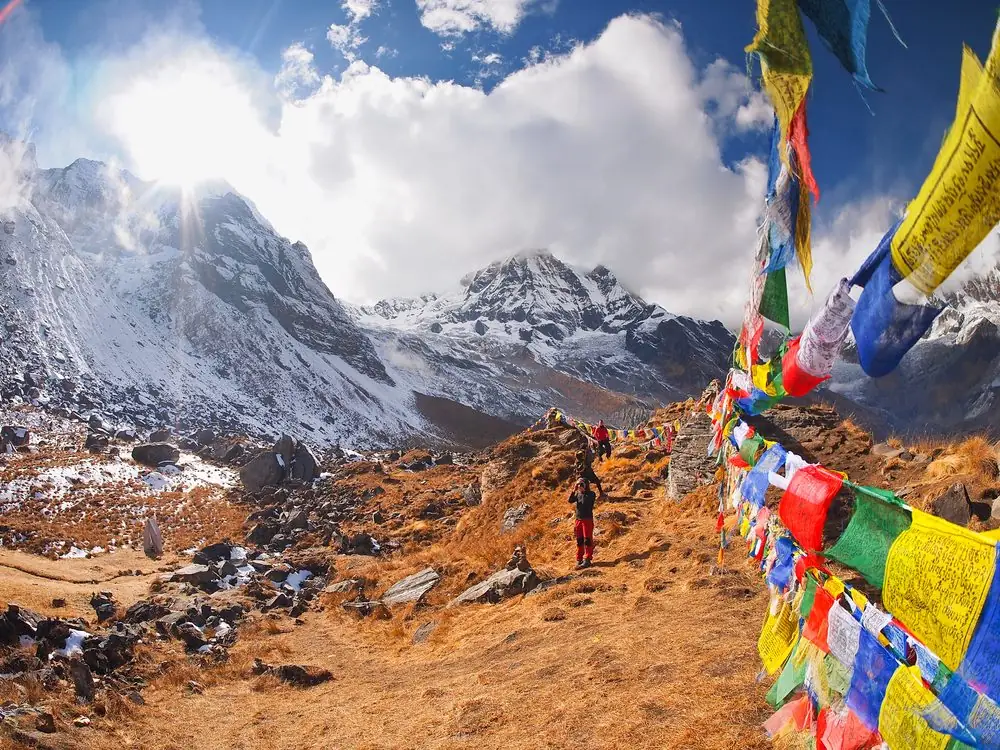
Altitude is the main medical risk on the Nar Phu trek. The villages of Phu and Nar sit above 4,000 m, the pass is above 5,300 m, and the nearest road or clinic is a long way away. Most healthy trekkers cope well if they climb slowly, drink plenty, and have the discipline to rest. This page explains how.
Where the risk comes from
The trail rises from about 2,600 m at Koto to about 4,100 m at Phu in four days, and then to above 5,300 m at the Kang La a few days later. The first part is within a sensible climbing rate, but the later days, with a big gain and then a long descent, are where unprepared trekkers get into difficulty. Another risk is isolation: from the pass to the nearest basic health post at Manang is a long day on foot.
The rules most guides follow
- Above about 3,000 m, aim for an average of no more than 300 to 500 m of sleeping altitude gain per day.
- Take a rest day every 1,000 m of net gain, or whenever anyone feels unwell.
- Climb high, sleep low where possible. A short day hike above your sleeping height helps acclimatisation.
- Never ascend with symptoms of acute mountain sickness. Rest at the same height or go down.
Symptoms to watch for
Mild altitude sickness feels like a hangover: headache, poor sleep, nausea and tiredness. These symptoms should ease with rest and fluids within a day. Serious signs are different: a headache that gets worse, vomiting, loss of coordination (walking as if drunk), confusion, a wet cough or breathlessness at rest. These suggest cerebral or pulmonary oedema and need immediate descent and medical help.
Medication and your doctor
Many trekkers discuss acetazolamide (Diamox) with their doctor before travelling. Whether to take it, and in what dose, is a medical decision for you and your physician; we cannot prescribe it. What we can say is that medication is not a substitute for slow ascent, and nobody should use it to push through symptoms. Bring any prescriptions in their original packaging, and carry a written note of conditions and allergies.
Diet, water and sleep
- Drink at least three to four litres a day, including tea and soup. Dry air at altitude dehydrates you quickly. Our blog explains water purification in the Himalayas.
- Eat carbohydrates even if appetite is poor. Dal bhat, noodle soup and porridge are reliable choices.
- Avoid alcohol at altitude; it disturbs sleep and masks symptoms.
- Sleep with a hat on and keep a bottle of warm water in your sleeping bag on the coldest nights.
Evacuation and insurance
Nar Phu is remote, and rescue can take time. Helicopter evacuation is possible from several points, but weather and landing space affect it. Your travel insurance must cover trekking to at least 5,500 m and helicopter evacuation, and you should confirm that in writing before you leave. Your guide should carry a pulse oximeter and a first-aid kit, and keep a satellite or mobile contact plan for the days with no signal.
A word on the Himalayan Rescue Association posts
The Himalayan Rescue Association runs an aid post in Manang with daily altitude talks during trekking season. It is outside the Nar Phu valley, but it is the main medical resource on this side of the Annapurna Circuit. If you finish your loop in Manang and feel unwell, it is the first place to seek advice. For more on the community-run side of altitude care, see our Manang guide to the health post.
Common questions
How high is the Nar Phu Valley?
The villages of Phu and Nar are at about 4,000 to 4,150 m, and the Kang La pass is at about 5,300 m.
Is Nar Phu more dangerous than the standard Circuit for altitude?
The altitudes are similar to the Circuit, but the remoteness is greater. A problem at the Kang La or in Phu takes longer to reach help, so the margin for error is smaller.
Should I take Diamox for Nar Phu?
That is a decision for you and your doctor. Medication does not replace slow ascent and rest days.