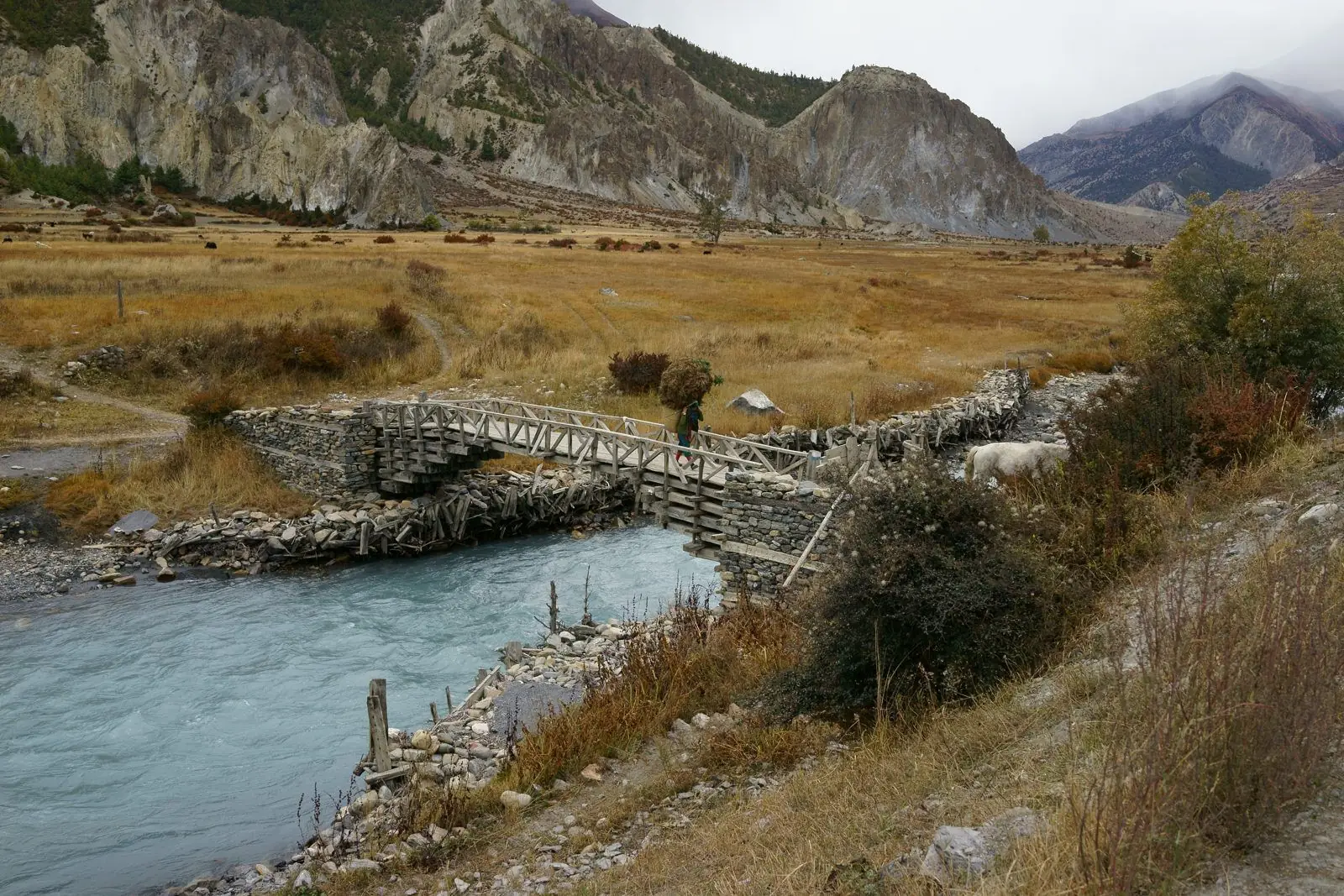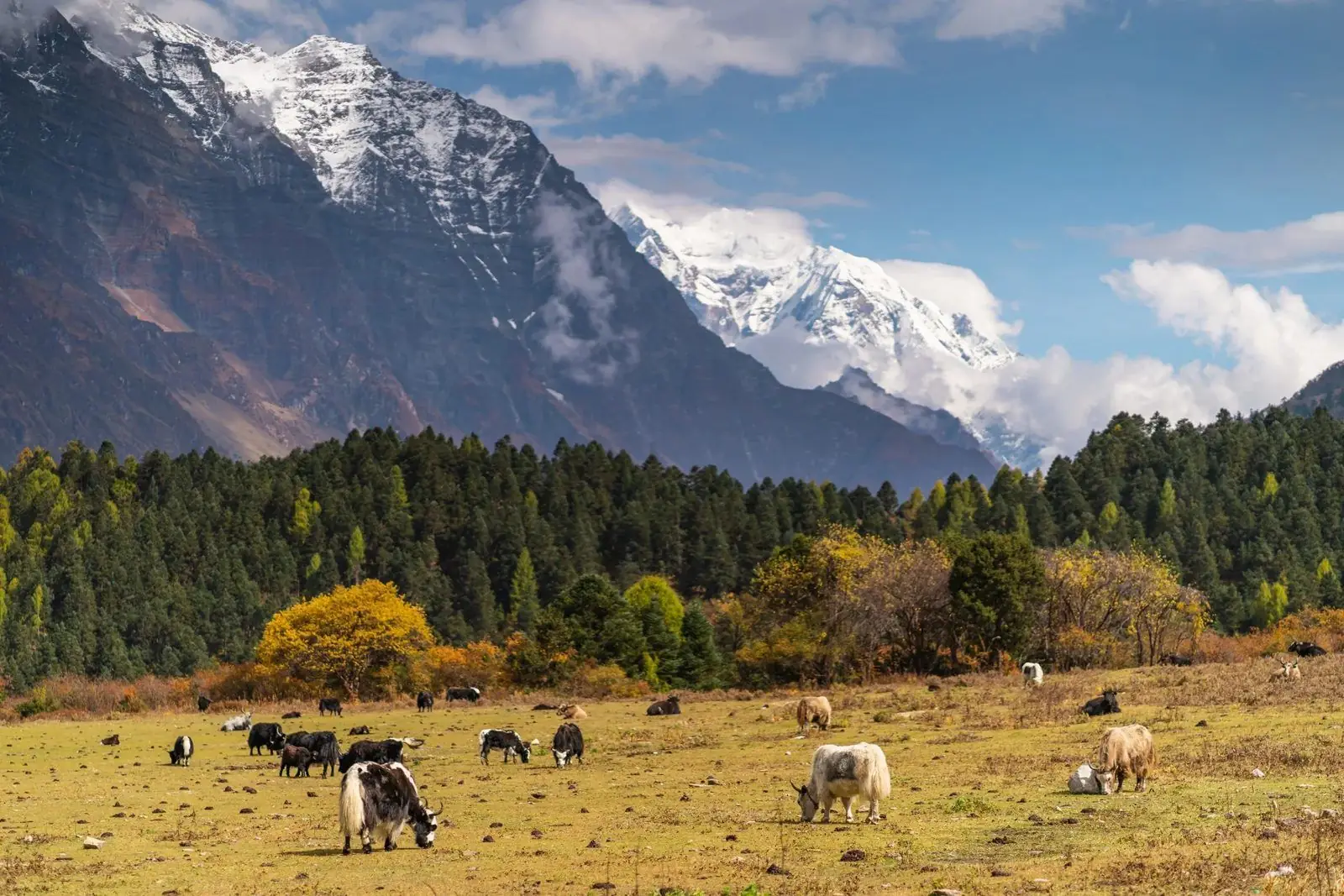
Phu and Nar are small, high, mostly Buddhist communities with their own dialect, customs and calendar. Their houses are built of stone and mud, their fields are barley and buckwheat, and their wealth has historically been yaks, goats and trade across the nearby Tibetan border. Understanding that makes the walk more than scenery.
A different community from Manang
The people of Nar and Phu are not the same community as the Gurung and Manangba villagers of the main Circuit. They speak a Tibetan dialect, follow Tibetan Buddhism and trace their ties northward rather than down the Marsyangdi. Nar and Phu are often described together because the valleys are neighbours, but locals speak of them as separate villages with their own histories and gompas.
How people live
Life is shaped by altitude and the short growing season. Barley, buckwheat and potatoes are planted in spring and harvested before the first heavy snows. Yaks and goats provide milk, butter, cheese and wool, and dung is dried and stacked on the roofs for fuel. Traditionally, families spent winters in lower settlements and returned to the high villages in summer; the pattern still exists, though it has softened as tourism has brought some income and the road has reached lower sections of the Manang district.
Some households have family members working in Kathmandu, India or the Gulf, and in the trekking season you will meet young people who return to run lodges. The result is a village where very old customs and modern phones sit side by side.Tashi Lakhang and the gompas
The best known monastery in the area is Tashi Lakhang, a short walk from Phu. It is widely described as several centuries old, and its position against a rock face is one of the memorable sights of the trek. Nar has its own gompa and chorten, and mani walls and prayer wheels line the approaches. Ask your guide to arrange a visit at a time that suits the caretaker; opening hours are informal, and a small donation is customary.
Do not rely on any single date or founder name you read online: oral history differs between communities, and written records are limited. A good guide will tell you what the villagers themselves say, and mark clearly what is tradition and what is documented.
Visiting with respect
- Walk clockwise around chorten, mani walls and prayer-wheel lines.
- Ask permission before photographing people, interiors or religious objects.
- Dress modestly in villages and religious buildings. Cover shoulders and knees.
- Do not touch ritual objects or climb on walls and chorten.
- Do not give sweets or money to children. Donations to a school or monastery are better made through your guide.
Food and hospitality
Lodge food in Phu and Nar is simple: dal bhat, noodles, fried potatoes, tsampa porridge and tea. Butter tea may be offered; it is salty and many visitors find it an acquired taste, though refusing politely is acceptable. Yak cheese is often available, and local families may sell it to trekkers. If you want to try local dishes, ask in advance because ingredients are limited.
Seasonal rhythm and festivals
Villages hold annual religious festivals tied to the lunar calendar. Dates change each year, and some are private. If you are curious, ask your guide in advance rather than expecting to find a published schedule. When a festival is happening, visitors are welcome to watch quietly, but should keep distance and follow local advice.
Leaving something good behind
Carrying rubbish out of the valley, buying locally made goods and staying in family-run lodges are the most useful things a visitor can do. Tourism income is a significant part of the household economy here, but it only helps if it stays in the valley.
Common questions
Are Phu and Nar the same as Manang culture?
No. Phu and Nar have their own Tibetan-influenced dialect, customs and gompas, distinct from the communities along the main Circuit.
Can I enter Tashi Lakhang monastery?
Usually yes, with permission from the caretaker and appropriate respect. Hours are informal, so ask your guide to arrange it.
Is it okay to take photographs?
Photographing landscapes is fine. Always ask before photographing people or the inside of religious buildings.