




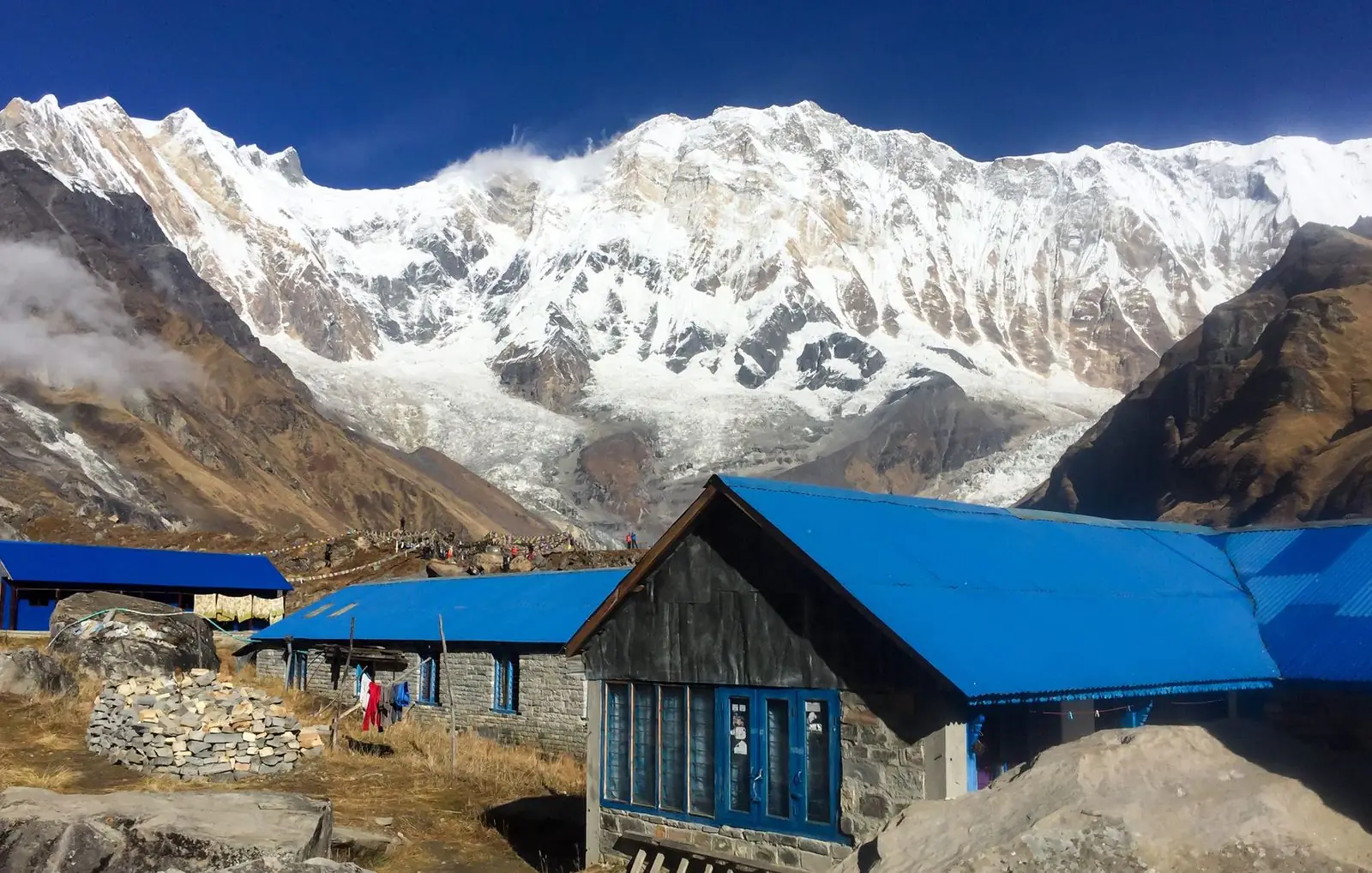
Start training eight to twelve weeks before you leave, or longer if you are not active now. Build steady cardio, leg strength and the ability to walk for several hours on consecutive days with a loaded pack. You do not need to be an athlete, but you do need stamina, strong legs and well worn boots.
How many weeks of preparation you need
Eight to twelve weeks suits people who already move regularly. If you spend most of the day sitting, give yourself sixteen weeks or more and start with short walks. Longer treks, such as Annapurna Circuit at 18 days or Three Passes at 20 days, reward a longer lead time.
The pattern matters more than the total. Three or four sessions a week, with one longer outing, beats a single heroic weekend. Add a gentle first month, a harder middle stretch and a lighter final week so you arrive rested. If you have a medical condition or are over fifty, speak to a doctor before you begin. This is general information, not medical advice.
Build cardio you can sustain
Trekking is long, slow effort, so build an aerobic base. Brisk walking, jogging, cycling or swimming all work. Aim for three sessions a week, each at a pace where you can still speak in short sentences, and stretch one session to two hours or more as the weeks go on.
Interval work is optional, but short hill repeats help with the steady climbs of the trail. Keep a simple log so you can see progress. Hot or humid weather at home is useful practice for sweating and drinking regularly, while the cold of the mountains is handled by clothing. Our guide on how to train for Everest Base Camp gives a week by week outline you can adapt to any route.
Leg strength, stairs and core
Nepal trails are made of stone steps, uphill and downhill, so legs and hips take a beating. Twice a week, do squats, lunges, step ups, calf raises and glute bridges, starting with body weight and adding load slowly.
Stairs are your best training tool. Climb a staircase or a hill for thirty to sixty minutes, then walk down slowly to train the muscles that control descents. A strong core and back help you carry a pack comfortably. Practise with trekking poles, because correct pole use takes weight off knees on long descents. Stop any exercise that causes sharp pain, and see a professional if knee or back pain returns.
Back to back days with a loaded pack
The hardest part of a trek is repeating the effort day after day. In the last month, do two long hikes on consecutive days, ideally on hills, carrying the daypack you will take on the trail. That is usually a few kilos, not a full load.
Increase length slowly, aiming for five to seven hours on your longest days, and wear the boots and socks you plan to use. Practise eating and drinking on the move, and note what causes hot spots. A weekend of this will teach you more about your gear than any shop visit. Treat it as a rehearsal, including your early start time.
Breathing, recovery and the final weeks
Practise slow, rhythmic breathing on climbs, in through the nose and out steadily. It helps pacing and keeps panic away on steep sections. Fitness does not stop altitude illness, but being fit lets you walk at a lower effort, so tell your guide how you feel at all times.
Sleep well, eat enough protein and take rest days, because muscle is built during recovery. Taper in the last week: shorter, easy outings, with no new exercises. Check boots, poles and pack again, and sort out any niggles. Arrive in Kathmandu healthy and rested, which is worth more than one extra hard session.
Common questions
How many weeks should I train for a Nepal trek?
Eight to twelve weeks is common for people who are already active. If you are starting from low fitness, allow sixteen weeks or more, and begin with short, easy walks.
Do I need a gym to prepare?
No. Hills, stairs and regular walking with a daypack are enough. A gym can help with leg strength, but time on your feet in your own boots is the most useful preparation.
Will being fit protect me from altitude sickness?
No. Altitude illness can affect fit and unfit people alike. Fitness makes the walking easier, but gradual ascent, rest days, fluids and honest reporting of symptoms are what matter.
How far should I walk in training?
Build up to long sessions of a few hours, then back to back days. Aim for five to seven hours on your biggest days, adjusting for your route, fitness and time available.


