There is no single age limit for trekking in Nepal. Children and people well past fifty complete treks every season, usually on shorter, lower routes with a slower pace and spare days. Health and fitness matter more than age. This is general information, not medical advice, so see a doctor who understands altitude before you commit.
Age matters less than health and fitness
Two people of the same age can have very different trekking ability. Regular walkers who are comfortable on stairs and hills for several hours usually adapt well. People with heart or lung disease, high blood pressure, diabetes, joint trouble or a recent illness need individual medical advice, and for some, a high trek is not a good idea.
A useful test is a long weekend walk, a day of hiking followed by another the next morning. If that leaves you wrecked, choose an easier route or train longer. Motivation counts too: a person who wants to be there copes better with rain, early starts and basic rooms than one who is coming along to please others.
Trekking with children
Children are often strong walkers but poor reporters of how they feel. Younger children may not describe a headache, nausea or odd tiredness, so adults need to watch for changes such as irritability, loss of appetite or refusing to play.
Choose a route with modest altitude gain, short daily distances and good lodges, and keep the schedule flexible. A private departure helps, because the group can stop when a child is tired without holding up strangers. Pack snacks, spare warm clothes, rain gear and a few small games. See our guide on Everest Base Camp with children for more detail on ages and pace, and be ready to turn back if needed.
Trekking after 50 or 60
Older trekkers often do very well because they pace themselves and respect rest days. The key changes are more time and more caution. Ask for extra acclimatisation days, a gentler daily climb and a spare day in case of illness or weather.
Start training at least two or three months before departure, with hill walks, stairs and a loaded pack. Carry a written list of medicines and a short medical summary, and tell your guide about any condition. Poles help protect knees on descents. Our guide on trekking to Everest Base Camp with parents or older travellers covers medical checks and realistic goals in more depth.
Shorter and lower treks to consider
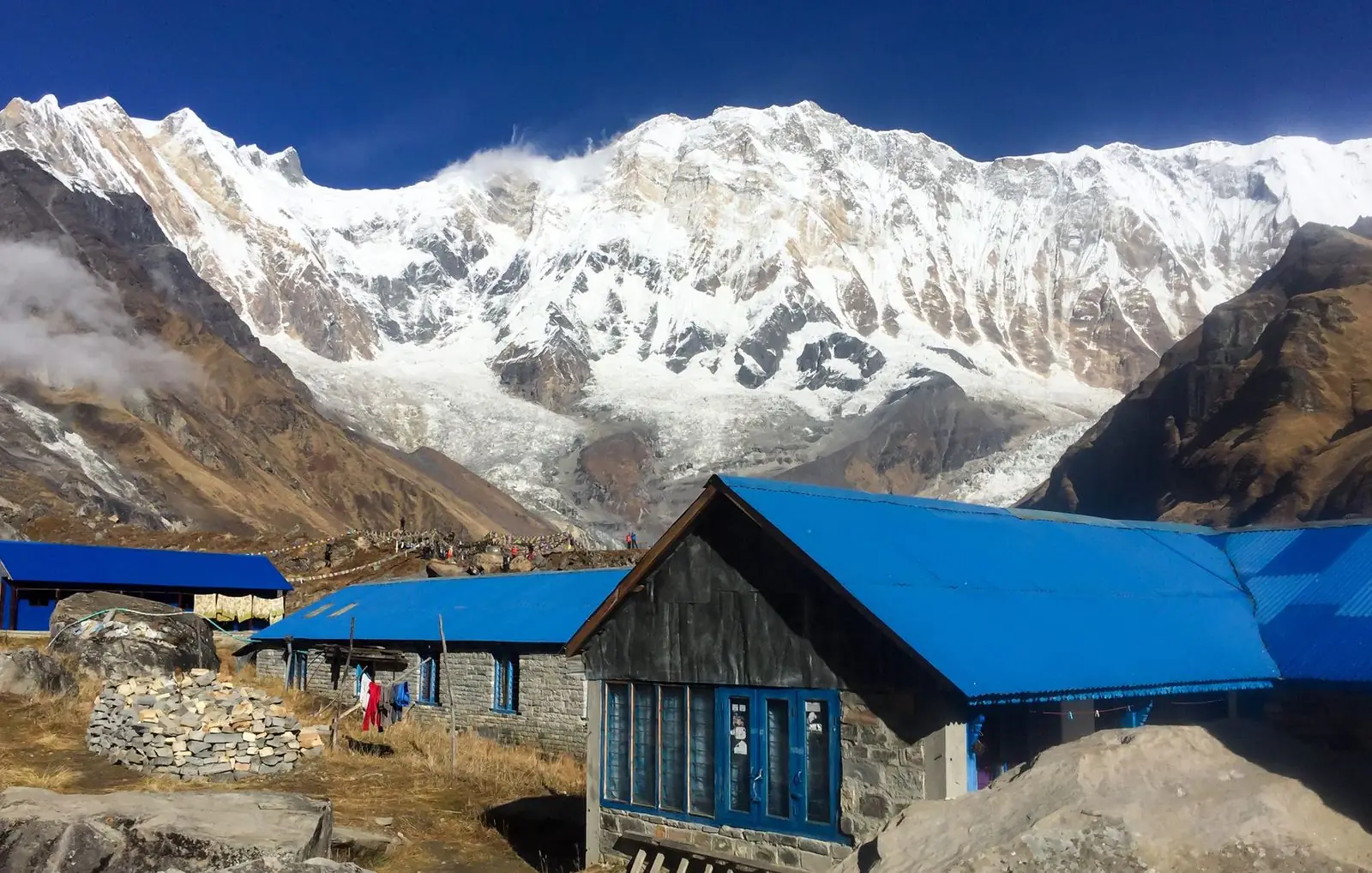
For families and older walkers, lower routes keep altitude risk down while still giving mountain views. Poon Hill, our 9 day trek, stays at a modest altitude and uses well made trails. Mardi Himal, at 11 days, is a step up, and Annapurna Base Camp, offered at 10 or 14 days, works well with the longer schedule.
Higher routes such as Everest Base Camp, our 14 day trek, can suit fit older trekkers and teenagers with careful pacing. Langtang, at 10 days, is another option for those wanting a quieter valley. Ask us for a slower itinerary if you want extra days built in.
Medical checks and altitude cautions
Book a check with a doctor before paying for the trip, and mention the altitude you will reach and the days you will spend away from a hospital. Ask whether any regular medicines need adjusting, and discuss altitude medication with your doctor, not with friends or online forums.
Altitude illness can affect anyone, including fit adults and children. Early signs include headache, nausea, dizziness and poor sleep. If symptoms worsen, do not climb higher, and descend if they do not settle or get worse. Check that your travel insurance covers trekking to your maximum altitude and helicopter evacuation, since terms vary between policies.
Common questions
What is the minimum age for trekking in Nepal?
There is no single official minimum for most routes, and rules can change, so confirm before you travel. In practice, children need to enjoy long walks and be able to describe how they feel, and parents should pick lower routes.
Is there an upper age limit for Nepal treks?
There is generally no formal upper limit. Fitness, health and preparation matter more than age. A medical check beforehand is wise, and older trekkers often benefit from extra days and a slower pace.
Which trek is best for a family?
A shorter route at moderate altitude is usually best, such as Poon Hill. Choose daily distances your children can handle, stay flexible, and avoid itineraries with little room for rest or turning back.
Should I talk to a doctor before trekking?
Yes, particularly for children, older travellers or anyone with a health condition. Ask a doctor familiar with altitude. This guide is general information, not medical advice, and cannot replace a personal assessment.