Many people trek in Nepal alone, and many women trek solo or with friends and report a welcoming experience. Risk is lower on busy, well established routes, and a licensed guide adds support, pacing and local knowledge. This is general information, not a guarantee, so research your route, share your plans and choose arrangements you feel comfortable with.
Is solo trekking in Nepal safe?
On popular routes with regular lodges and steady foot traffic, most trekkers have trouble free journeys. The bigger risks are usually natural, such as altitude illness, weather, tired knees and slippery trails, not crime. Remote areas have fewer people around, fewer lodges and slower help if something goes wrong.
Solo trekkers should tell someone at home their route and expected dates, carry travel insurance that covers trekking at altitude, and keep a phone charged with local contact numbers. Rules on trekking alone and on guides vary by area and change, so confirm before you travel. Restricted areas always need a licensed guide through a registered agency.
Why a guide or porter helps
A guide is more than a navigator. They set a safe pace, notice early altitude symptoms, book rooms ahead in busy seasons, and sort out problems with weather or trail damage. Walking alone, nobody is watching for your slow speech, stumbling or loss of appetite.
A porter takes the weight of your main bag, which protects your knees and energy on long climbs. For many solo travellers, a guide-porter team is simply the lowest stress way to walk. Our packages include a licensed guide, porters, permits and transfers, so solo travellers are not left to arrange these pieces alone. Hiring locally also supports trail communities.
Choosing busy routes and the right season
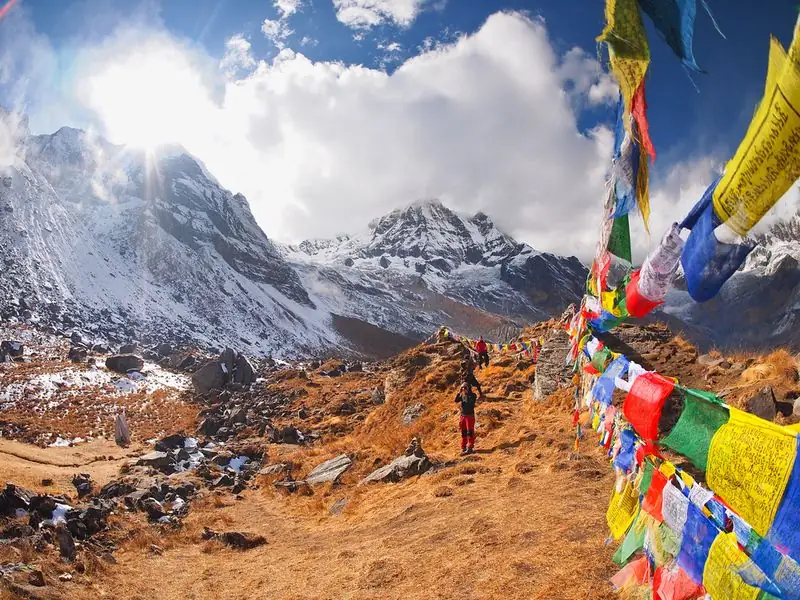
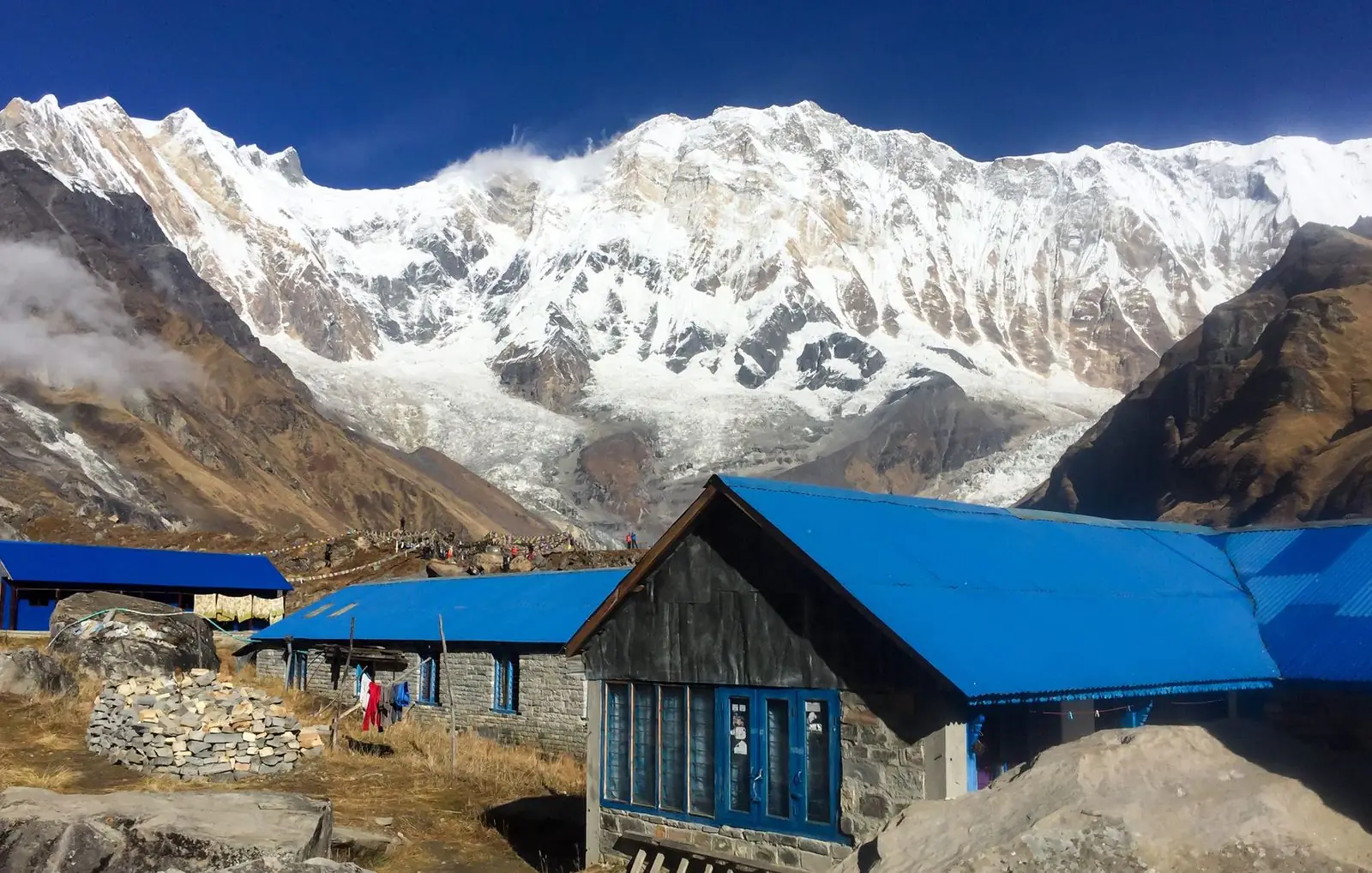
If this is your first solo trek, pick a route with frequent villages and plenty of other walkers. Everest Base Camp, Annapurna Base Camp and Poon Hill are well travelled, with lodges at short intervals. Quieter routes can be beautiful but offer fewer chances to ask for help or find a bed.
Season matters as well. Spring and autumn bring more trekkers, clearer skies and busier lodges, which many solo walkers find reassuring. In the colder or wetter months the trails thin out, daylight is shorter and conditions change quickly, so lean on local advice. Start walking early in the day and aim to arrive at your lodge in good light.
Rooms, privacy and personal comfort
Teahouse rooms are normally twin rooms with thin walls, and rooms in busy periods may be shared. If privacy matters to you, ask about single rooms before you book and expect that they may cost extra or run out in peak weeks.
Women travelling alone can ask any operator how rooming works and whether the guide is a woman or a man, and have the answer in writing. Many lodges are run by women and families, so you will often be welcomed warmly. Dress modestly in villages, carry a small lock for your door if you want one, and trust your instincts about who you share information with.
Practical habits that keep you safe
Small habits do most of the work:
- Share your route and check in when you have signal.
- Keep your valuables and documents in a small bag you carry yourself.
- Do not walk after dark, and do not leave a village alone late in the day.
- Be careful with alcohol, especially at altitude.
- Learn the signs of altitude illness and descend if they worsen.
Indian travellers do not need a visa for Nepal but should carry valid photo ID such as a passport or voter ID. Currency rules for Indian notes change, so check the current rules before you travel.
Common questions
Can women trek alone in Nepal?
Yes, many do, especially on popular routes with regular lodges. Choose a busy route, consider a guide, share your itinerary and keep insurance in place. Conditions and rules change, so confirm current requirements before you travel.
Do solo trekkers need a guide?
It depends on the area and current rules, which change, so confirm before you travel. Restricted regions require a licensed guide through a registered agency. On any route a guide improves safety, especially at altitude.
Will I get my own room as a solo trekker?
Not always. Teahouse rooms are usually twins, and single rooms depend on availability. Ask your operator in advance about their rooming policy and request the answer in writing, particularly in busy seasons.
Is it safe to trek alone with no phone signal?
Signal is patchy on many routes and often absent in remote valleys. Tell someone your plan, carry a charged phone and a power bank, and consider a guide who knows where help and communication are available.