




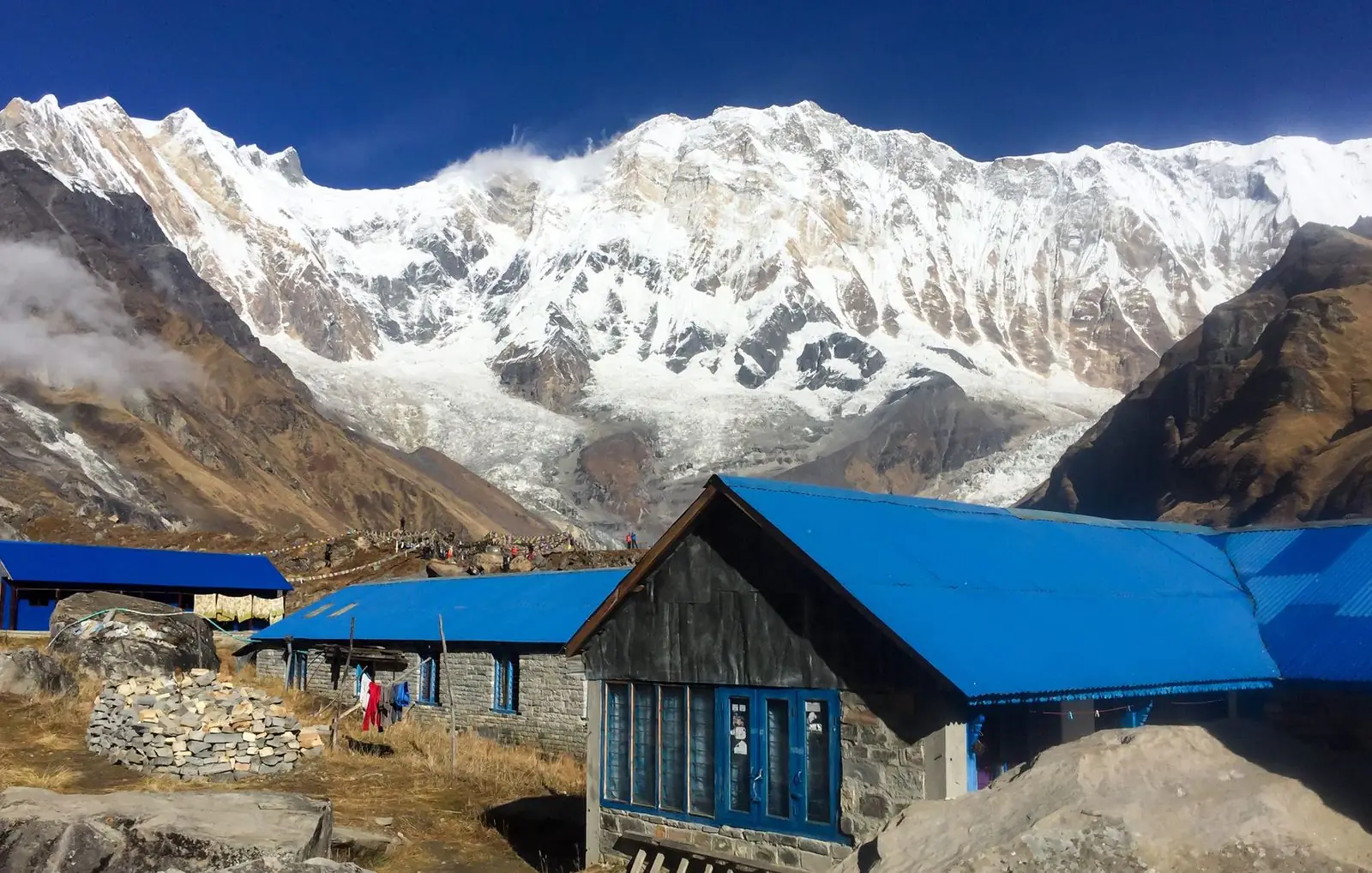
Buy travel insurance that explicitly covers trekking to the highest point on your route, emergency helicopter evacuation, medical treatment and trip delay or cancellation. Read the exclusions, because many standard policies cap altitude or exclude adventure activities. Medical help in the mountains is limited, and evacuation is expensive, which is why cover matters.
Why insurance matters on a Nepal trek
Health services in the mountains are basic. Small clinics treat minor problems, but a serious injury or altitude illness usually means getting the patient to a larger hospital, often by helicopter. These flights depend on weather and are costly, and the bill can reach you or your family if you have no cover.
Insurance also protects you from smaller disruptions, such as a cancelled mountain flight, lost baggage or a delay that costs you an extra hotel night. Even a careful, fit trekker can be hit by a fall or a stomach infection. General information only, not financial or medical advice. A guide and a good itinerary lower your risk, but they do not replace insurance.
The altitude limit
The first thing to check is the maximum height the policy covers for trekking. Some cap cover at a few thousand metres, and others cover higher only with an adventure add on. Compare that number with the highest point on your route, not the height of the trek's name or the village you sleep at. Passes and viewpoints are often higher than the lodges.
If the policy wording is unclear, ask the insurer to confirm in writing that trekking to your route's highest altitude, with a guide, is covered. Also check whether the cover depends on staying on a named route or travelling with a registered operator. Keep this confirmation with your documents, so your guide or agency can see it in an emergency.
Helicopter evacuation and medical cover
Look for emergency evacuation by helicopter from remote points to a hospital, and make sure it applies when a doctor or guide judges it necessary, not only after a hospital's approval. Some policies pay the provider directly, while others expect you to pay first and claim later, so find out which applies and how your funds would be arranged.
Check the medical limits too. You want treatment in Nepal, hospital stays, and repatriation to your home country if needed. Note the 24 hour assistance number, save it on your phone and write it on paper. Insurers often want to be notified quickly, so give your guide a copy of the policy and the contact details at the start of the trek.
Trip delay, cancellation and baggage
Weather can ground flights to mountain airstrips for days, and a delay can make you miss your international flight home. Look for trip delay and missed connection cover, plus cancellation if you must cancel for covered reasons before departure. Buy the policy when you book the trek, not just before you fly, so the cancellation part is active from the start.
Baggage cover matters if your bag goes missing on the way to Kathmandu, but check the limits per item, since cameras and phones may have separate caps. Keep receipts and take photographs of your gear before you leave. We suggest you also leave a spare day at the end of the trek for weather, and we can add one if you ask.
Common exclusions to read for
Policies differ, so read the full wording, not just the summary. Common exclusions include:
- Altitude above a stated height without an adventure option.
- Pre-existing conditions that were not declared.
- Activities such as climbing with ropes or crossing glaciers.
- Evacuation that a doctor did not judge necessary.
- Travel against government or local advice.
If you are over a certain age, or have a medical history, tell the insurer and get the answer in writing. A policy that sounds cheap is often cheap because of exclusions. Send us a copy before you travel and we can help check that the policy matches your itinerary, though the decision about what to buy remains yours.
Common questions
What altitude should my trekking insurance cover?
It should cover the highest point on your route, not just the place you sleep. Passes and viewpoints are often higher than villages. Ask the insurer to confirm in writing.
Does insurance cover helicopter evacuation in Nepal?
Only if the policy says so. Look for emergency evacuation from remote areas and check whether it applies at your route's altitude. Read the exclusions and the claim process.
When should I buy trek insurance?
Buy it when you book, so cancellation cover applies if something goes wrong before you leave. Waiting until the day before you fly leaves you exposed during the weeks in between.
Can you check my insurance policy?
Yes. Send us a copy of the policy and your itinerary, and we can point out gaps such as altitude caps or missing evacuation cover. The choice of policy remains yours.


