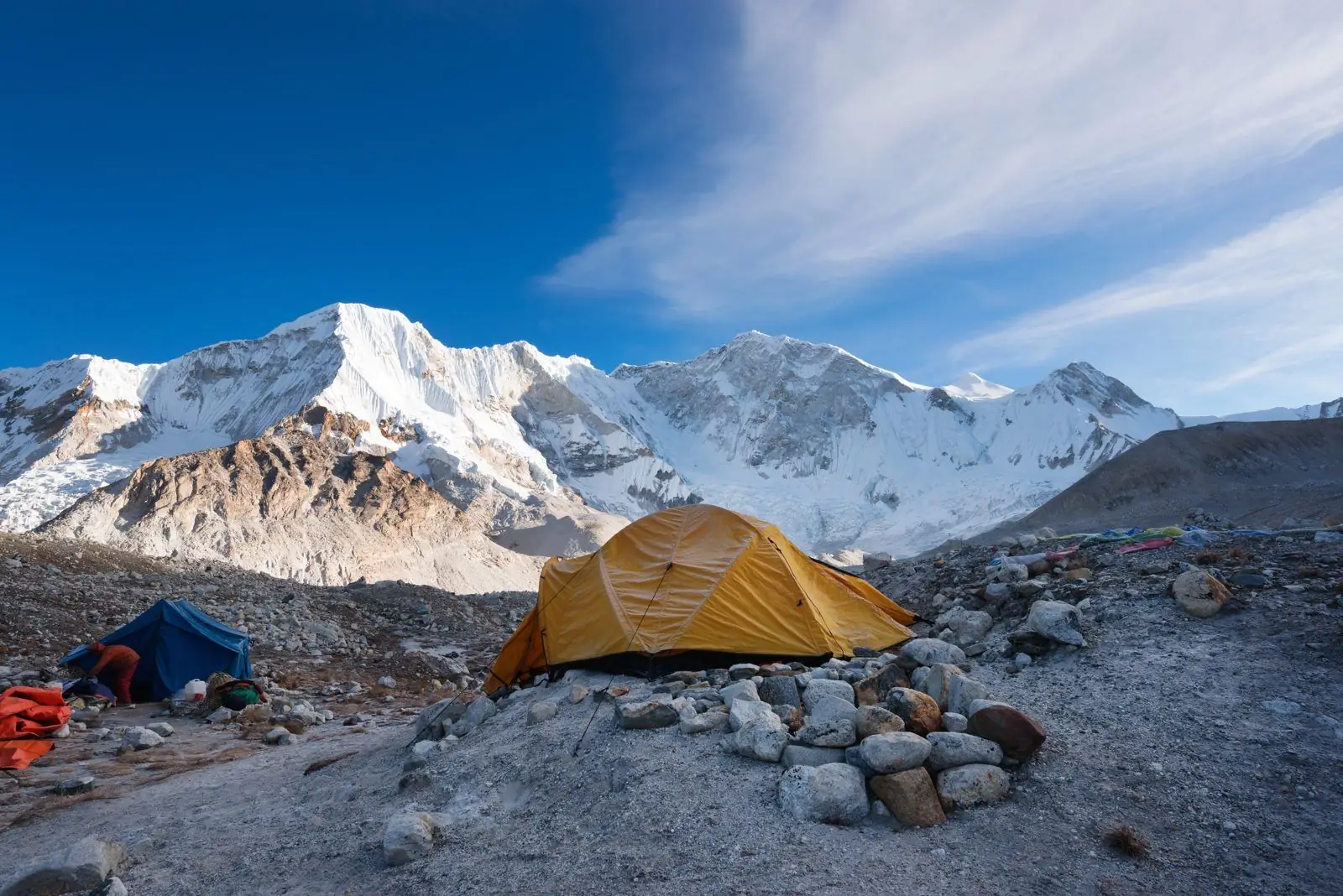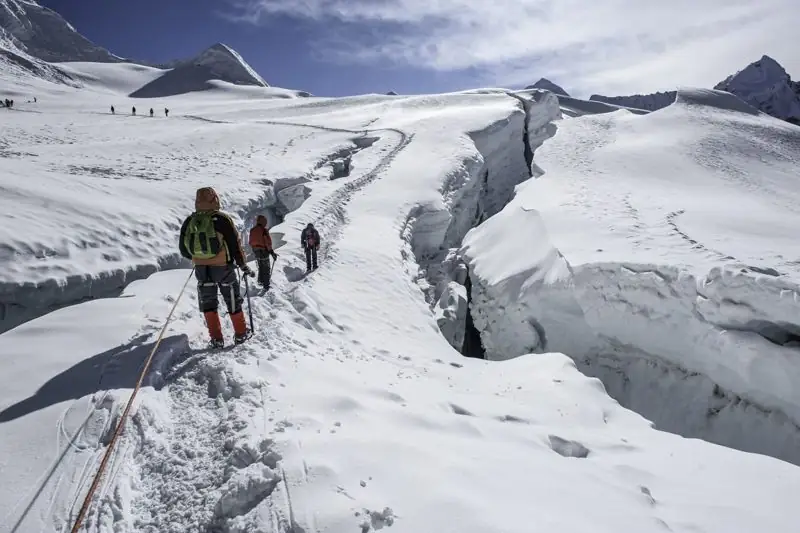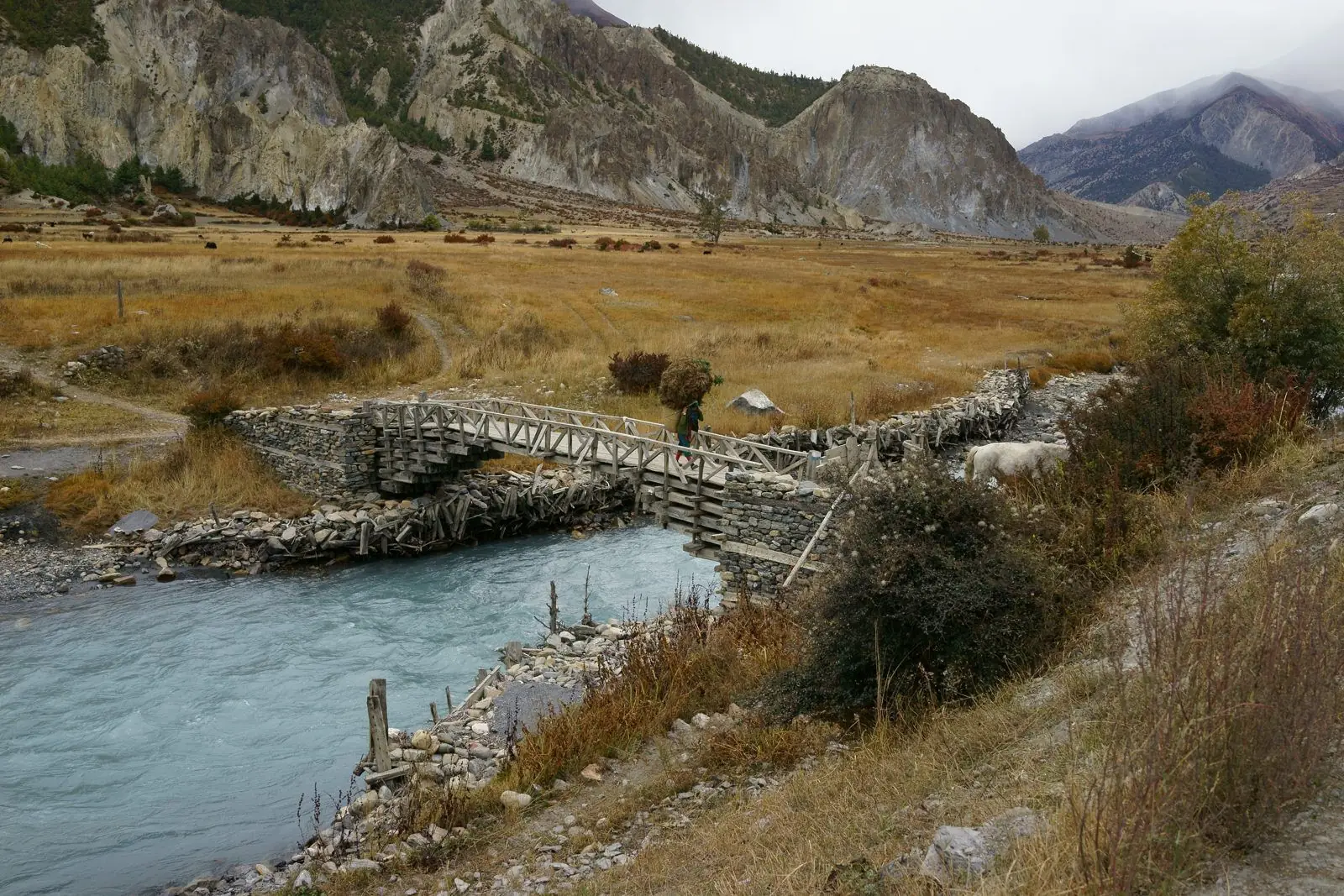
Indian citizens do not need a visa to enter Nepal, which makes planning simpler. For a climb like Pisang Peak, good paperwork, cash and insurance matter more than entry rules, because you will be in remote country with limited services.
Identity documents
Carry a valid passport, or the photo ID your operator confirms is accepted for Indian citizens at the time of travel. Keep the original in a waterproof pouch and carry copies and phone photos. Your operator needs clear copies to arrange permits.
Permits and fees
Your operator arranges the climbing permit, conservation area entry and trekking registration. Fees for Indian citizens may differ from those for other foreigners and can change, so confirm the current figures when you book. Bring passport-size photographs.
Money
- Nepali rupees are used on the trail. Indian rupees are accepted in some places, but rules on notes can change, so confirm what is allowed with your operator.
- Exchange or withdraw enough cash in Kathmandu or Pokhara, since ATMs on the route are unreliable.
- Carry small notes for tea, snacks and tips.
Insurance
Buy travel insurance that covers climbing to at least 6,100 m and helicopter evacuation, and check that it works in Nepal. Keep the policy number and emergency contacts with you.
Travel and Thorong La
Many Indian travellers combine Pisang Peak with Muktinath, which is sacred to Hindus and Buddhists, by crossing Thorong La. Plan the sequence carefully, since weather on the pass and flights from Jomsom affect timing.
Food
Vegetarian meals are easy to find, and lodges understand requests for no onion and garlic. Tell your operator in advance and carry familiar snacks.