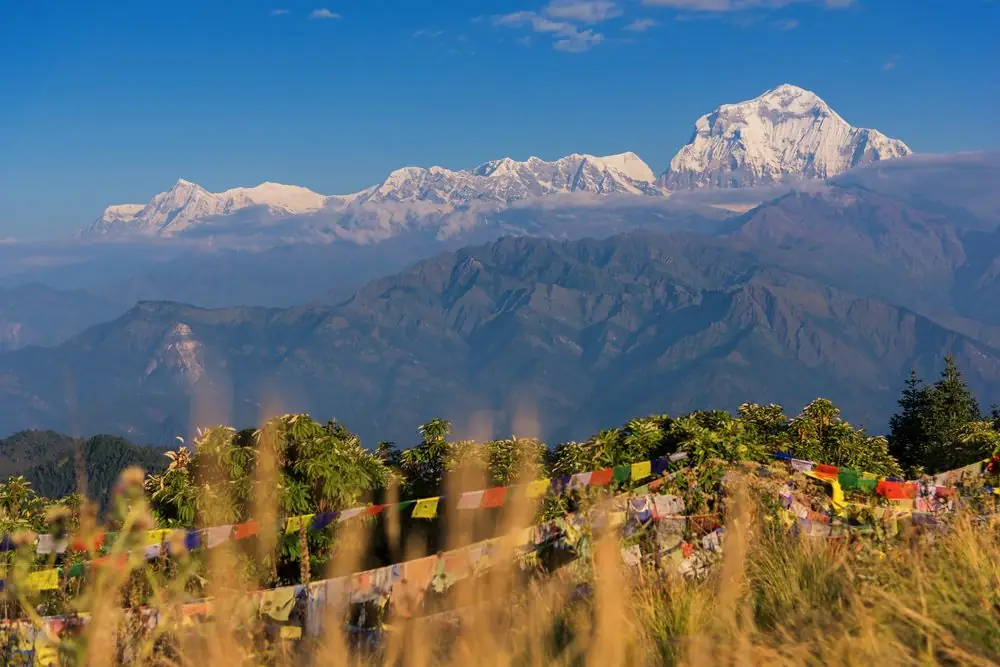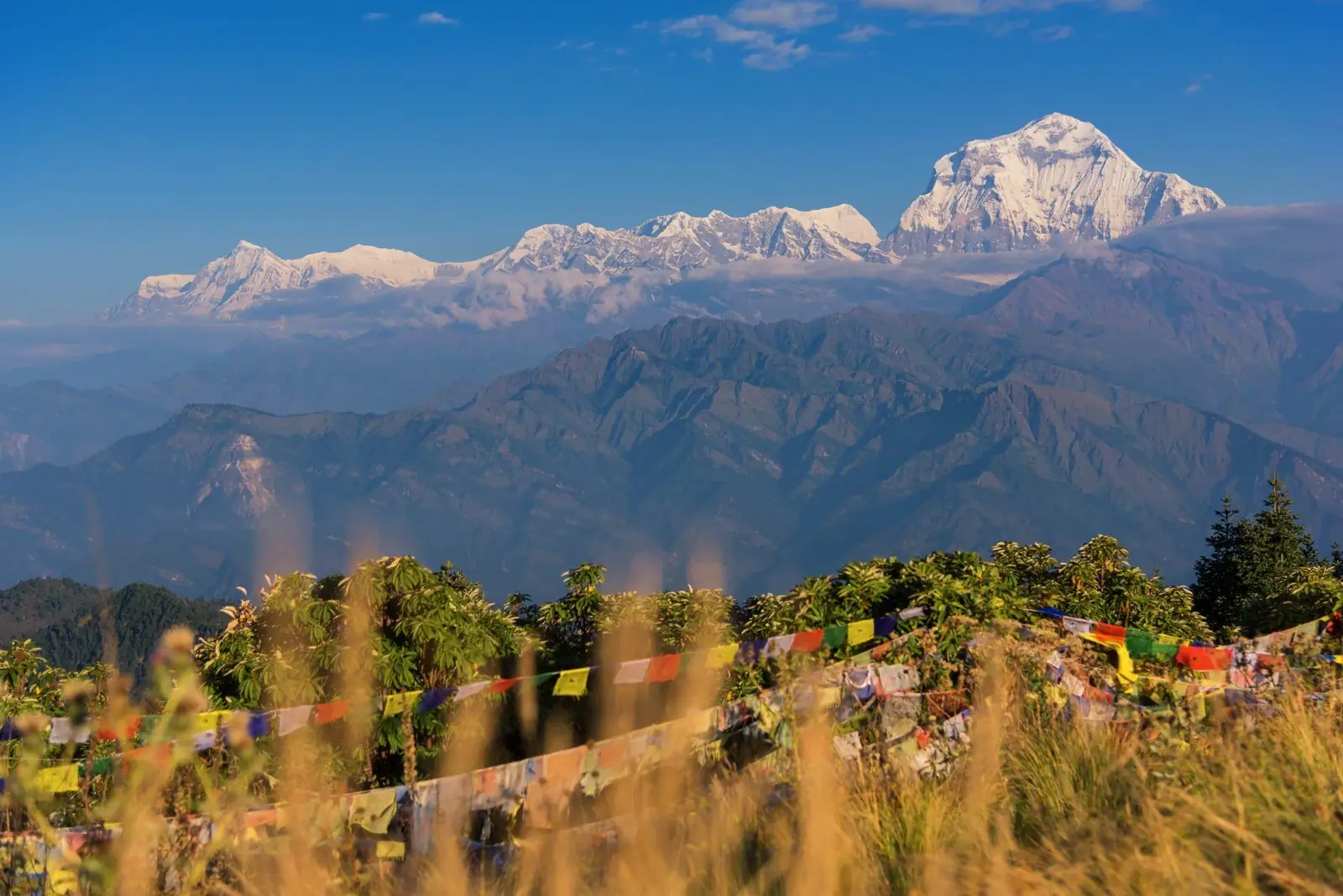
Poon Hill is one of the best treks in Nepal for people who are new to the mountains. It has modest altitude, plenty of villages and short daily walking times. That said, the stairs and early starts mean that families and older trekkers should plan with care.
Children
Active children aged around ten and above who hike regularly usually enjoy it. Younger children can struggle with the Ulleri steps and the cold at dawn, and they may tire on long days. Choose a five-day plan, build in rest breaks and bring snacks and games. Hire a porter so that parents are free to help children.
Teenagers and young adults
This is the sweet spot. The schedule suits school holidays, the sunrise offers a thrill, and the trail is safe and clear. Teenagers often like the social aspect of lodges and the chance to meet other travellers.
Older trekkers and seniors
Healthy seniors can complete the trek with a slow pace, extra days and good support. Trekking poles and good boots matter more than raw fitness. Check with a doctor beforehand if you have heart, lung or blood pressure concerns, and be conservative about the descent, which is hard on joints.
How to adapt the itinerary
- Choose a five-day or six-day plan so each day is shorter.
- Take a jeep to a higher trailhead where roads allow, to skip the first climb.
- Hire porters to carry bags and, if needed, a guide to set pace.
- Skip the pre-dawn climb on a cold morning if someone is struggling.
Health precautions
Hydration, sun protection and pacing matter more than fitness for beginners. Keep a close eye on children and older trekkers for signs of headaches, nausea or exhaustion, and descend early if symptoms worsen. Carry a small first-aid kit and know the nearest checkpoint.
Tell your operator
Provide ages, health conditions and previous trekking experience when you book. A good operator will adapt the plan, suggest suitable lodges and arrange transport that keeps the trip comfortable for everyone.
Training together as a family
Weekend hikes with the whole family help everyone discover pace and comfort. Practise carrying small daypacks, taking breaks and eating on the trail. Children often outpace adults on flat ground and tire faster on climbs, so teach them to rest early and often. Make it fun with games and small goals.
Considerations for older trekkers
Talk to your doctor about heart, blood pressure, joints and medicines before the trip. Carry medicines in your daypack, not in the porter's bag. Use poles on both ascents and descents and take extra time in the lower villages to adapt gradually. A slower itinerary with two nights in Ghorepani is a great option.
Making the trek inclusive
- Let slower trekkers set the pace.
- Arrange porters and a guide who is patient and attentive.
- Choose lodges with attached bathrooms if comfort is a priority.
- Plan optional rest days.
Safety for children
Watch children near cliff edges and rivers, keep them hydrated, protect them from sun and cold and know the symptoms of altitude illness. They may not report problems clearly, so check regularly.