Dho Tarap is a high valley village in Lower Dolpo, at about 4,000 m. Its community is a mixture of Tibetan and Magar people living among stone and clay houses and barley fields. The usual trek links it with Shey Phoksundo Lake, and many itineraries spend a full day here.
Altitude: about 4,000 m. Heights quoted for villages and camps vary by source, so treat this as a guide.
Where Dho Tarap is and why trekkers stop
Lower Dolpo is the southern half of the Dolpo region, and the usual trek links Shey Phoksundo Lake with Dho Tarap. Trekkers reach the valley after crossing high passes, so arriving feels like a reward. Many itineraries set aside a day in Dho Tarap to rest, explore the monasteries and visit the village before continuing to Tarap Khola and Khani Gaon.
Allow time to wander the village slowly, since quiet observation says more about life here than any fast tour. Fields, prayer walls and animals offer plenty of reasons to pause.
What to expect at Dho Tarap
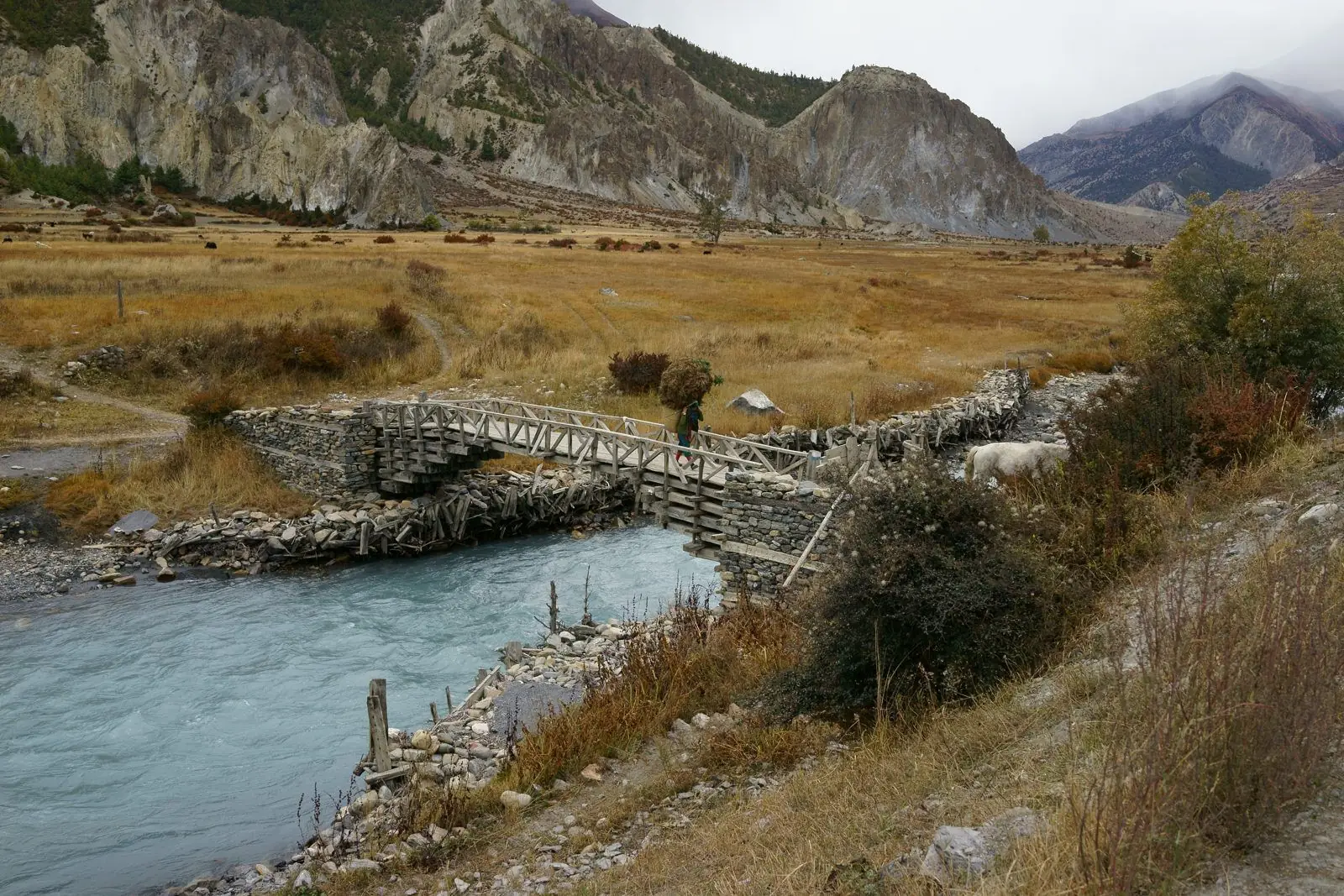
The Tarap valley is a broad, open place with villages built of stone and clay, barley fields that ripen only in summer, and herds of yaks and goats. The mood is quiet and practical, shaped by short growing seasons and long winters. Respect local customs: walk clockwise around prayer walls, ask before taking photographs and dress modestly near religious buildings.
Visitors usually go in summer, when barley turns green and the valley feels most alive. Outside that season it is colder, drier and more severe, with fewer people about.
Altitude and how you may feel
The Tarap valley lies at about 4,000 m, so you are sleeping high. The passes before it, Numa La and Baga La, are long days, and arriving tired makes altitude effects more noticeable. Rest, drink plenty of water and eat regularly. Altitude illness can strike, and if symptoms worsen the response is to descend.
A rest day here is not wasted, because it helps your body recover after the passes. Short, easy walks around the valley, followed by rest, work better than a long hike.
Lodging, food and practical tips
Facilities are simple, with basic lodges or camps and meals based on rice, potatoes, noodles and eggs. Carry rupees and spare snacks, since shops are limited. Dolpo includes restricted areas, so a licensed guide and permits through a registered agency are needed. Pack warm layers, as nights are cold even in summer, and keep your permit copies dry.
Nights drop below freezing even in warm months, so a high quality sleeping bag and thermal layers make a real difference. Boots and gaiters help on dusty or snowy trails around the valley.
Common questions
Where is Dho Tarap?
It is in the Tarap valley of Lower Dolpo, in the Dolpo Region, at about 4,000 m. It lies beyond the passes that separate it from Shey Phoksundo Lake.
Who lives in Dho Tarap?
Our guides describe a mixed Tibetan and Magar community, with stone and clay villages, barley fields and herds of yaks and goats. Please be respectful of local customs and religious sites.
Do I need a permit for Dho Tarap?
Yes. Dolpo includes restricted areas, so you need the right permits and a licensed guide arranged through a registered agency. Officers may check papers along the route.