Ghasa is a small village in the green gorge of the Kali Gandaki, at about 2,010 m, on the Annapurna Circuit. It lies between Kalopani and Tatopani, where the dry upper valley gives way to forest. A typical walk takes four to five days and includes Ghasa as an overnight.
Altitude: about 2,010 m. Heights quoted for villages and camps vary by source, so treat this as a guide.
Where Ghasa is and why trekkers stop
Ghasa sits below Kalopani and above Tatopani, in the lower part of the Kali Gandaki trail. Walkers come down from Marpha, stopping at Kalopani or Larjung, then reach Ghasa before the long descent to the hot springs. It is a practical overnight. The trail from Kalopani drops through forest, passing waterfalls and a deep gorge section, so by the time you reach the village the landscape feels very different from the dry upper valley.
What to expect at Ghasa
Expect a small village with a handful of lodges, stone and tin roofed houses, and damp, green surroundings. After the dry, windy upper valley, the forest and the sound of water feel like a change of country. The trail around Ghasa follows the gorge, and in places it shares the way with the road, so traffic and dust may be present. The village is quiet and local, with limited shops. Evenings are calm, and the air is warmer than it is further up the valley.
Altitude and how you may feel
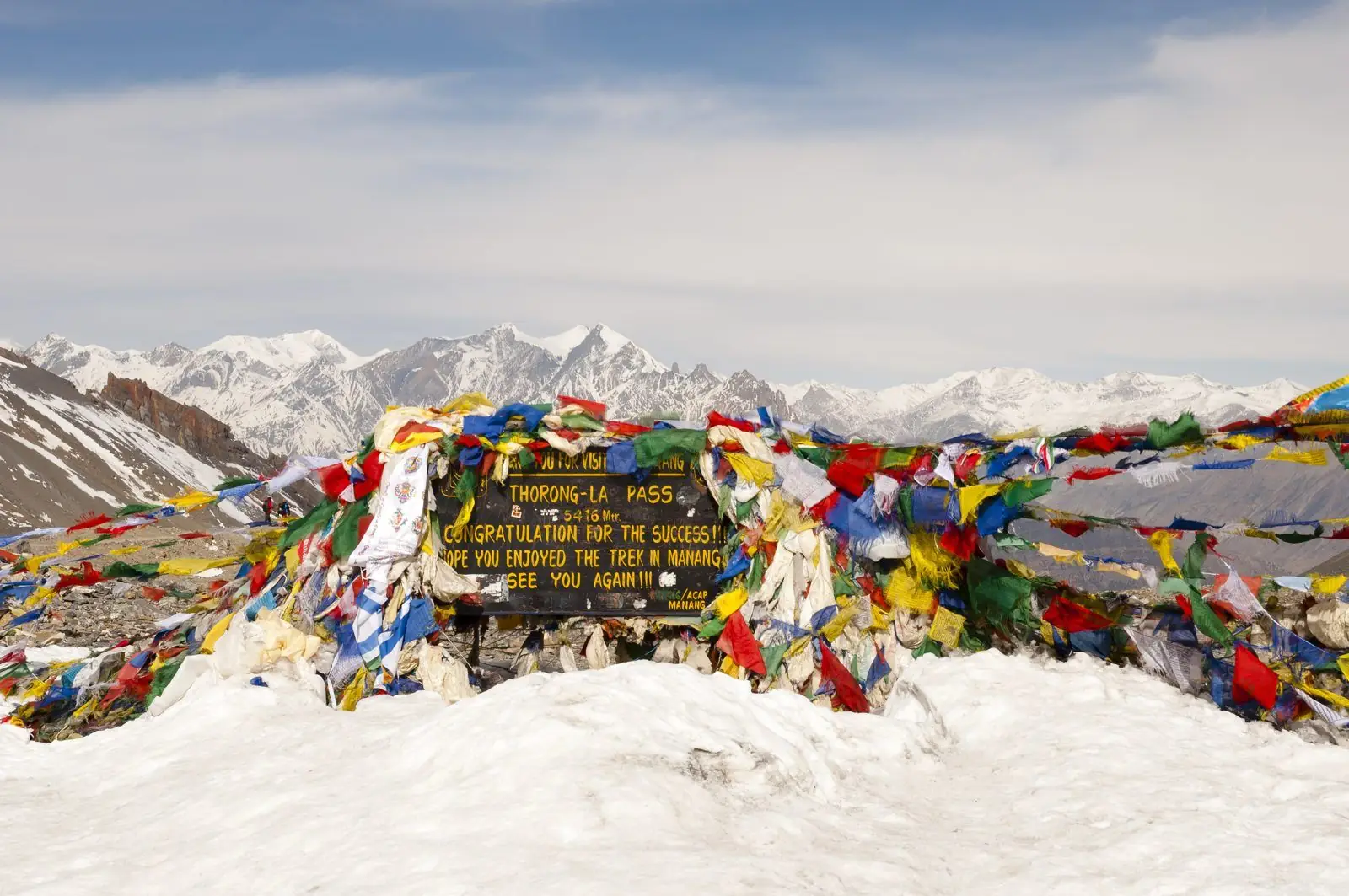
Ghasa is far below the pass and the high camps, so altitude trouble is rare here. Many trekkers feel noticeably better, with easier breathing and deeper sleep. If you came down quickly from Thorong La, you may still feel tired in the legs rather than the lungs. Altitude illness can strike on the higher parts of the route, and if symptoms continued on the way down, say so to your guide. Otherwise, use the night to recover and prepare for the next descent.
Lodging, food and practical tips
Lodges are simple, with basic rooms and shared bathrooms, and food follows the usual tea house menu. Bring cash, as machines are not available. Rain and leeches can be a nuisance in the wetter months, and the stony path may be slippery, so wear shoes with good grip. The walk onward to Tatopani is a long descent, and its time varies with pace and trail conditions. Start early to reach the hot springs with daylight left to enjoy them.
Common questions
Where is Ghasa on the Annapurna Circuit?
It lies between Kalopani and Tatopani in the lower Kali Gandaki valley. The trail between Kalopani and Ghasa drops through forest, passing waterfalls and a deep gorge section.
Is altitude a problem at Ghasa?
Usually not, because the village is far lower than the pass. Most trekkers feel better here. If symptoms of altitude illness persist or get worse after descending, tell your guide and seek advice.
What comes after Ghasa?
The next stop is usually Tatopani, which means hot water, and it is reached by a long descent. The hot springs there are a welcome reward for tired legs at the end of the day.