Tserko Ri is the highest viewpoint on the usual Langtang Valley trek, at about 4,984 m, rising above Kyanjin Gompa. The climb is steep and normally starts in the dark so you can reach the top around sunrise. It gives a wider panorama than Kyanjin Ri but asks for more effort and better acclimatisation.
Altitude: about 4,984 m. Heights quoted for villages and camps vary by source, so treat this as a guide.
Where Tserko Ri is and why trekkers stop
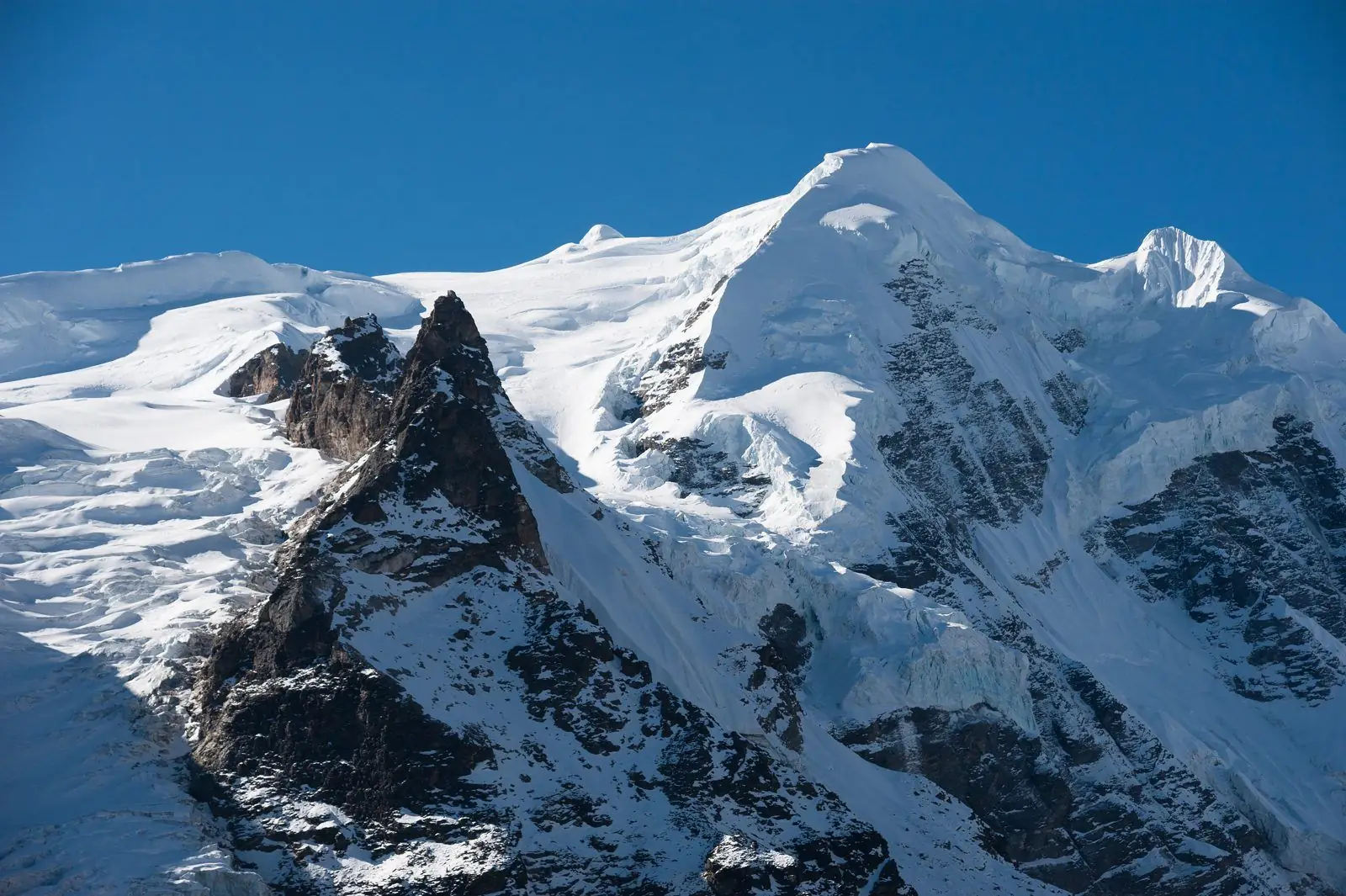
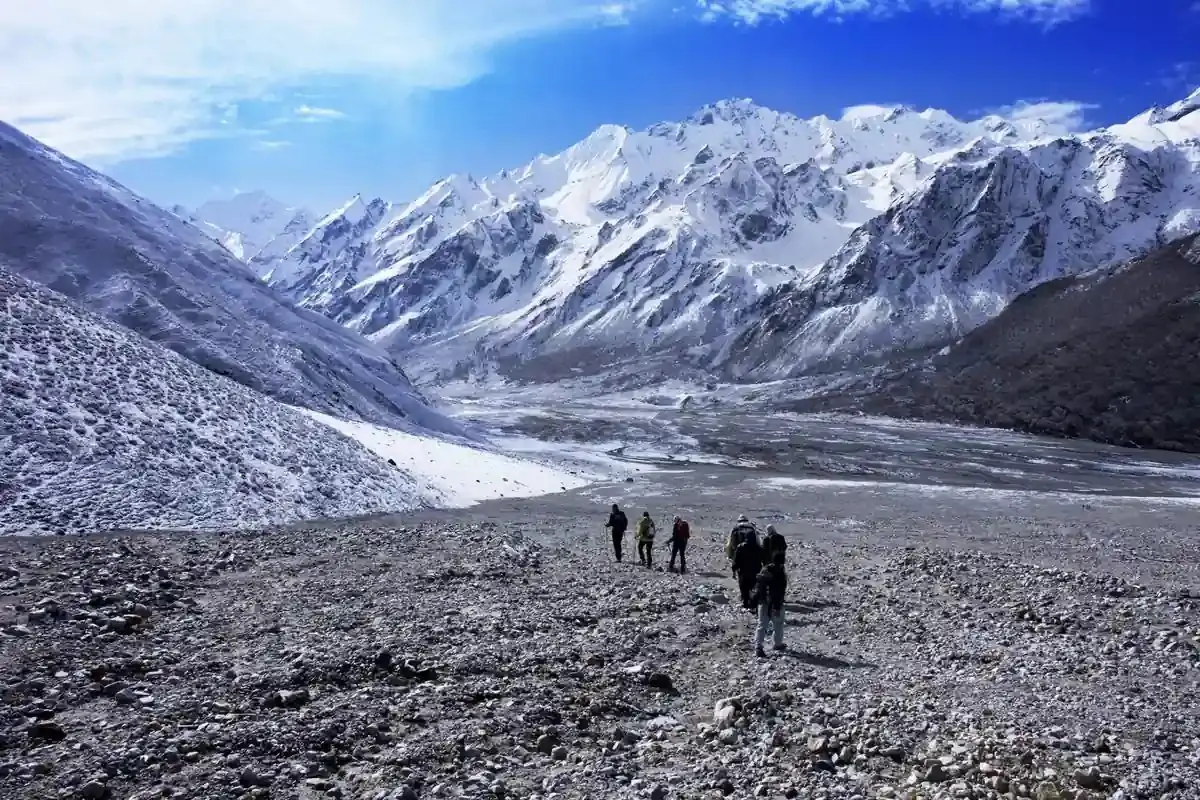
Tserko Ri stands on the ridge above Kyanjin Gompa, and it is reached from the village rather than from any other lodge. Trekkers come for the wide view over the glaciers and peaks at the head of the Langtang Valley. It is usually the high point of the whole trek, and it is the reason many people plan two nights in Kyanjin Gompa. Fitter and well acclimatised trekkers prefer it to the lower ridge nearby, because the horizon opens much further.
What to expect at Tserko Ri
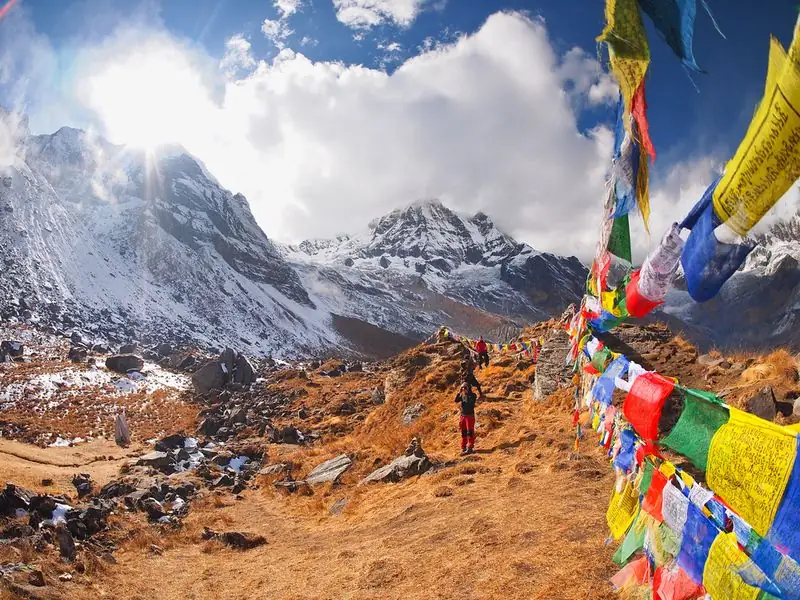
The climb is a long, steady pull on a rocky trail, and the first part is walked by headlamp. Prayer flags mark the summit, and the cold at dawn can be sharp. Most trekkers need a few hours to go up, with the time varying with pace and trail conditions, then return to the village for breakfast. The descent is quicker but hard on the knees. Pace yourself on the way up, stop for breath often and keep your layers within reach.
Altitude and how you may feel
Almost 5,000 m is high, and the climb gains a lot of height in one morning. Breathlessness, a pounding head and tiredness are normal on the ascent. Altitude illness can strike here, even if the earlier days felt easy. If you feel dizzy, confused, nauseous or unsteady, turn back and descend to the village, and tell your guide. It is far better to miss the summit than to push on with worsening symptoms. Good sleep and fluids the night before make a difference.
Lodging, food and practical tips
There is no lodge at the top, so you sleep in Kyanjin Gompa and go up before dawn. Bring a headlamp with spare batteries, warm gloves, a windproof layer, a hat and water that will not freeze solid. Poles are useful on the way down. A light breakfast before leaving helps, and a hot meal waits in the village afterwards. Winter trekkers should check trail conditions, as snow and ice may change the route or the timing.
Stage guides that pass through Tserko Ri
These day-by-day guides start or end at Tserko Ri, with walking times, ascent and where to sleep.
- Syabrubesi to Tserko Ri trek: stages, altitude and time
- Lama Hotel to Tserko Ri trek: stages, altitude and time
- Langtang Village to Tserko Ri trek: stages, altitude and time
- Kyanjin Gompa to Tserko Ri trek: altitude, time and route
- Tserko Ri to Kyanjin Ri trek: altitude, time and route
Common questions
How high is Tserko Ri?
Tserko Ri is about 4,984 m, which makes it the highest viewpoint on the usual Langtang Valley trek. It is reached by a steep climb from Kyanjin Gompa that begins in the dark.
Why do people climb Tserko Ri early in the morning?
The early start gets you to the top around sunrise, when the air is often clearer and the winds are calmer. Cloud tends to build later in the day and can hide the peaks entirely.
Is Tserko Ri harder than Kyanjin Ri?
Yes. Tserko Ri is higher and steeper, with a wider panorama, while Kyanjin Ri is shorter and gentler. Choose Tserko Ri if you feel well, are acclimatised and have a spare night in Kyanjin Gompa.