Upper Pisang sits on the northern side of the Marsyangdi valley at about 3,300 m on the Annapurna Circuit. It is reached by a stiff climb to a stone village with a monastery above it, and it is a favourite night stop before Manang.
Altitude: about 3,300 m. Heights quoted for villages and camps vary by source, so treat this as a guide.
Where Upper Pisang is and why trekkers stop
Upper Pisang stands above the valley floor, on the northern side of the Marsyangdi, a stage beyond Chame. Trekkers choose it over the lower village for its views and its stone-built character, and because it starts the higher route to Manang. The route here splits, with an upper path through Ghyaru and Ngawal and a lower one along the valley, so many itineraries plan an overnight at Upper Pisang. Locals and returning trekkers are usually the best source of fresh trail news.
What to expect at Upper Pisang
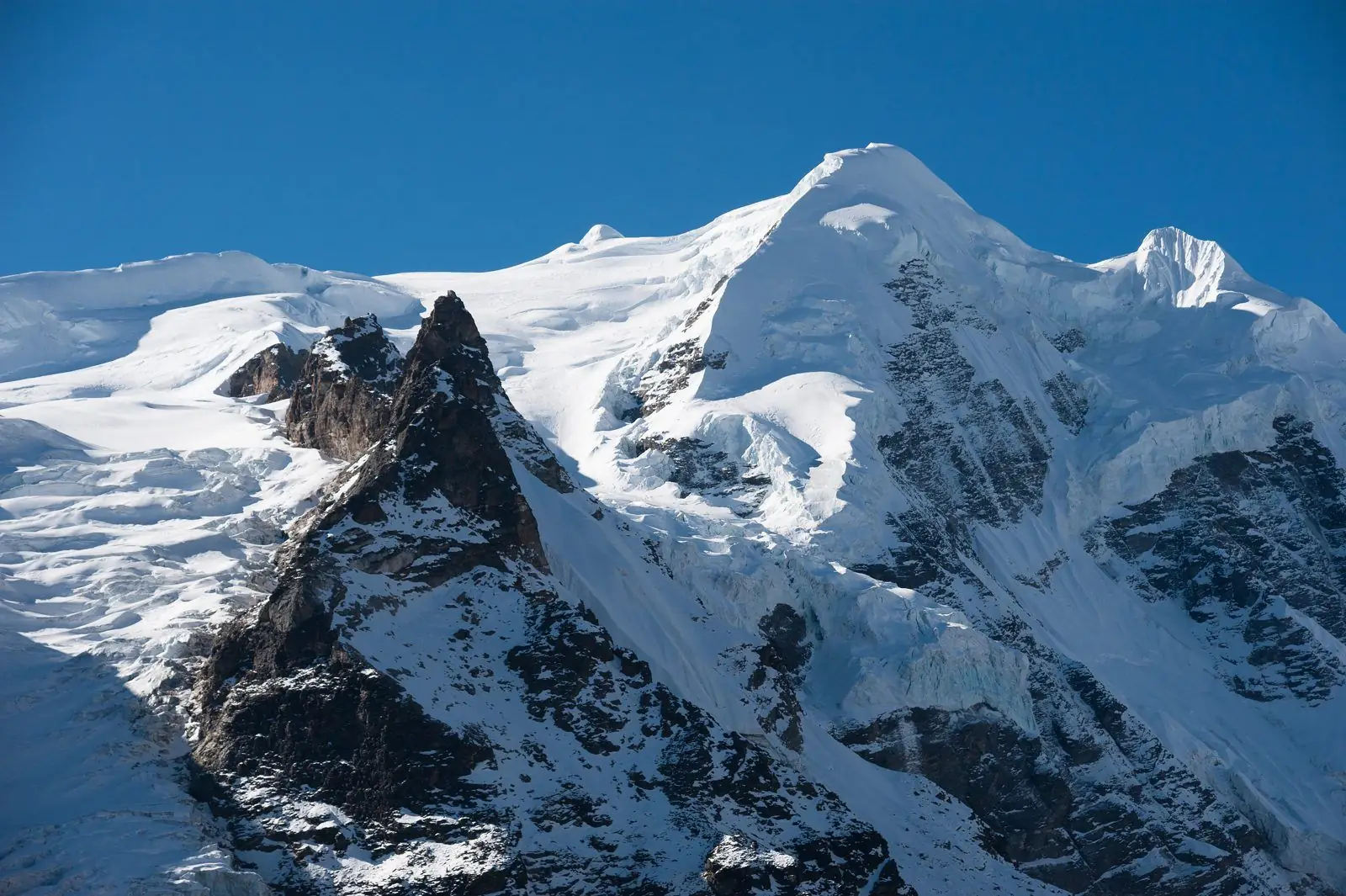
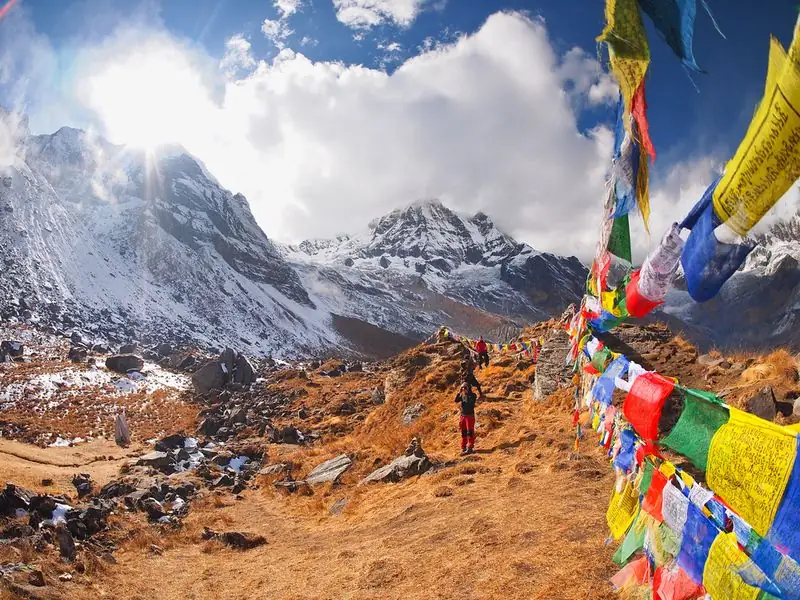
Stone houses with flat roofs cluster on the slope, and a monastery sits above the village. The climb from the valley is stiff, so arrive with energy to spare. In the evening the high peaks catch the last light, and the lodge dining rooms fill with trekkers swapping notes. Early morning brings clear views if the weather allows. Mobile signal and charging may be limited. The mood is quieter and more traditional than in Chame.
Altitude and how you may feel
At about 3,300 m, Upper Pisang is the point where altitude clearly affects many trekkers. Expect slower breathing on stairs, a possible mild headache and lighter sleep. Walk slowly, drink often and avoid alcohol. Altitude illness can strike anyone, however fit. If symptoms worsen, with a severe headache, vomiting, confusion or unsteadiness, tell your guide and descend rather than carry on. Do not climb higher while symptoms are getting worse.
Lodging, food and practical tips
Lodges are simple, with basic rooms, shared bathrooms and a hearty menu of dal bhat, soup, noodles and potatoes. Nights are cold, so bring a warm sleeping bag and a down layer. Cash is important, as there is no bank. The onward route to Manang can follow either the upper or lower trail, and time varies with pace and trail conditions, so ask your guide which suits your plan. Respect the lodge rules on stoves, shared rooms and quiet hours.
Stage guides that pass through Upper Pisang
These day-by-day guides start or end at Upper Pisang, with walking times, ascent and where to sleep.
- Bhulbhule to Upper Pisang trek: stages, altitude and time
- Upper Pisang to Manang trek: altitude, time and route
- Dharapani to Upper Pisang trek: stages, altitude and time
- Jagat to Upper Pisang trek: stages, altitude and time
- Upper Pisang to Thorong Phedi trek: stages, altitude and time
- Upper Pisang to Thorong La Pass trek: stages, altitude and time
- Upper Pisang to Yak Kharka trek: stages, altitude and time
- Chame to Upper Pisang trek: altitude, time and route
Common questions
How high is Upper Pisang?
Upper Pisang is about 3,300 m, higher than Chame at about 2,670 m. That makes it the first stop on the circuit where many trekkers notice altitude.
Why stay in Upper Pisang rather than Lower Pisang?
Upper Pisang sits higher, with better views and a stone village feel, and it is the start of the upper route toward Manang. Lower Pisang is closer to the valley floor and slightly lower.
What is the trail like to Upper Pisang?
The approach is a stiff climb to the village from the valley, so go slowly and rest as needed. The effort is short but noticeable, especially if you have arrived by jeep.