




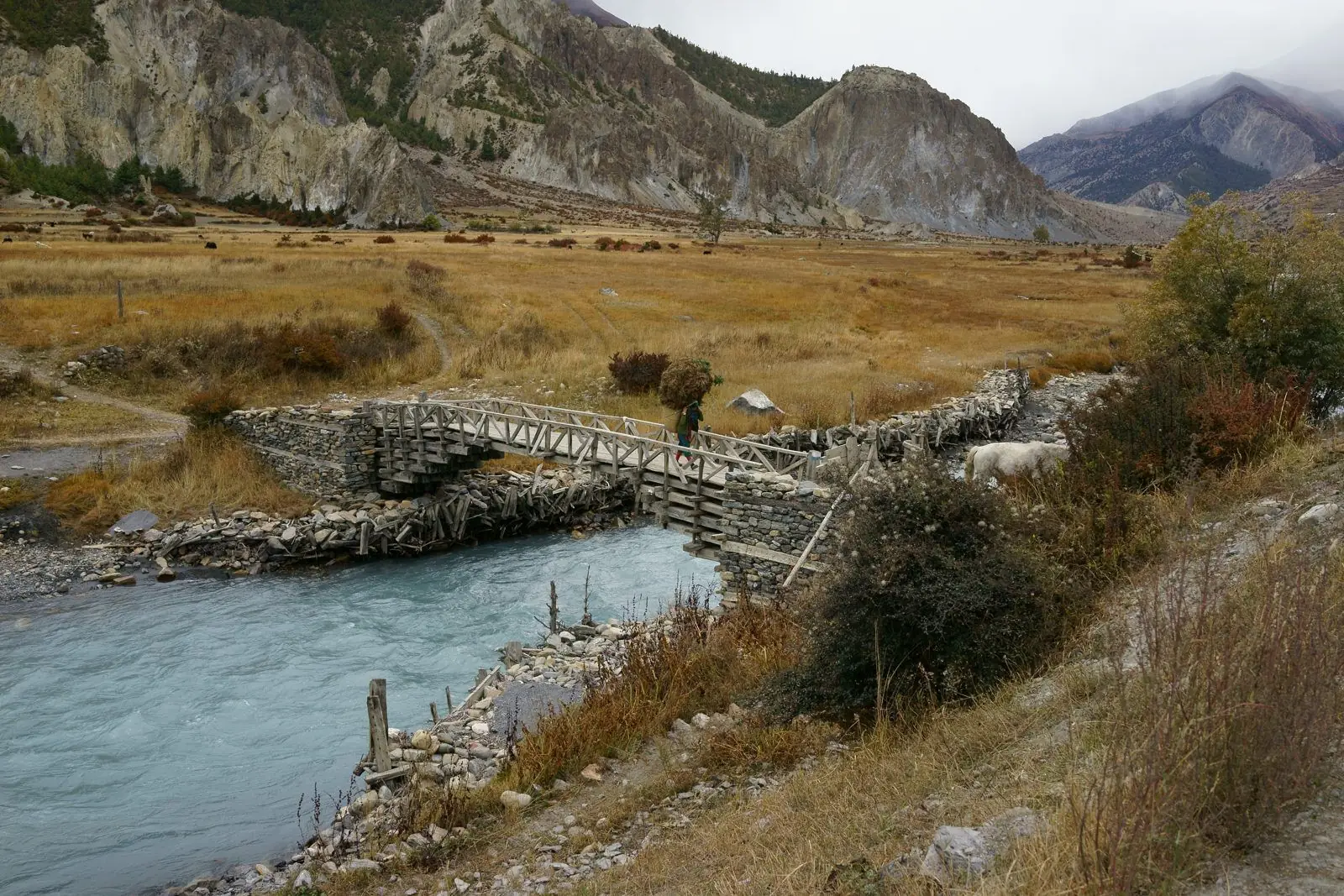
Upper Dolpo is one of the more expensive treks in Nepal, and the reasons are logistics and permits. The restricted area permit is charged by days spent in the zone, you must go with a licensed guide through a registered agency, the trek runs about three weeks or more, and a large crew and pack animals carry everything. Fees change, so we print none. Ask us for a current quote.
The restricted area permit and park fee
Upper Dolpo is a restricted area. You need a special permit that is typically charged per person and by the number of days spent in the zone, plus the Shey Phoksundo National Park fee. Foreign trekkers must travel with a licensed guide through a registered agency.
Because the permit depends on days, a longer plan costs more. Rules and fees change, so confirm the current position before you plan a budget. We arrange the paperwork for our packages and explain what is included in your quote. Keep your dates flexible while we confirm the current rules for your plan.
Flights to Juphal
The usual route is Kathmandu to Nepalganj and then a flight to Juphal. Both legs are paid per traveller, and your crew and some gear need transport too. Weather often delays these flights, which can add hotel nights and meals.
Fares change with the season and with airline schedules, and seats can be limited in busy months. We price flights at the time of booking and explain what happens if a delay adds a night. A spare day on each end is wise and should be part of your budget.
A large crew and many days
The trek takes about three weeks or longer, and the crew is paid and fed every day, including rest days and weather days. A typical team has a lead guide, a cook, kitchen helpers and porters, with food for the whole trip carried in because villages have little to sell.
The number of days is the biggest cost lever, and it is not a place to cut corners. A shortened plan means faster height gain on high passes, which raises risk. It is better to choose the right length and then discuss how to share the cost.
Pack animals, camping gear and supplies
Upper Dolpo is a camping trek, because lodges are rare above Phoksundo. The crew carries tents, a kitchen tent, stoves, fuel and food, often with mules, horses or yaks as well as porters. Animals and handlers are an added cost that depends on load, route and season.
In remote country, supplies cannot be bought on the way, so everything is planned for the full trek. That is part of why the total is higher than for lodge treks, even for a small group. Animal numbers are set by the load, so a smaller group does not cut this cost much.
Group size, season and extras
A larger group shares the guide, cook and paperwork, so the cost per person usually falls as the group grows. A solo traveller or a couple carries more of that structure alone.
Season also matters, with the main trekking months busier and flights tighter. Add spare days for weather, a night in Kathmandu either side, rented gear, insurance that covers remote evacuation, and tips for the crew. Tell us your group size, month and wishes, and we will give you a current quote with a clear list of what is included.
Common questions
Why is Upper Dolpo so expensive?
It needs a restricted area permit charged by days, a licensed guide through a registered agency, flights to Juphal, a large camping crew and pack animals for three weeks or more. Ask us for a current quote.
Can I trek Upper Dolpo without a guide to save money?
No. Restricted area rules require a licensed guide and a registered agency. Rules change, so confirm before you travel. A guide is also essential for safety on remote passes.
Does a larger group cost less per person?
Usually yes, since the guide, cook and paperwork are shared. The saving depends on group size and dates. Tell us your plans and we will explain what is realistic for your trip.


