Upper Mustang is often described as one of the more accessible Himalayan treks. The trails are broad and the climbs are not as relentless as in the steep eastern valleys. It is still a high-altitude journey, so it deserves proper preparation.
What makes it easier
- Gentle, gradual gradients on many sections compared with other regions.
- Generally dry conditions, so mud and leeches are not an issue.
- Villages at regular intervals with simple lodges.
- Options to ride on parts of the route.
What makes it harder
- Altitude: Most of the trek is spent at considerable height, and several passes are higher than the villages.
- Wind: A strong afternoon wind can make walking tiring.
- Sun and dust: The air is dry and the sun is intense, with little shade.
- Remoteness: Help is further away than in busier regions.
Fitness level
A reasonable level of general fitness, built through regular walking, is sufficient for most people. Days of five to seven hours on foot are common. Hill walking with a daypack is the best preparation.
Who it suits
It is a good choice for people who prefer culture and scenery to steep climbing, including older trekkers who are in good health and have time to acclimatise. Anyone with a heart, lung or blood-pressure condition should consult a doctor first.
Reducing the risk
Move at a slow pace, drink plenty of water, and do not skip rest days. If symptoms such as persistent headache or nausea appear, tell your guide and be ready to descend.
Daily rhythm and effort
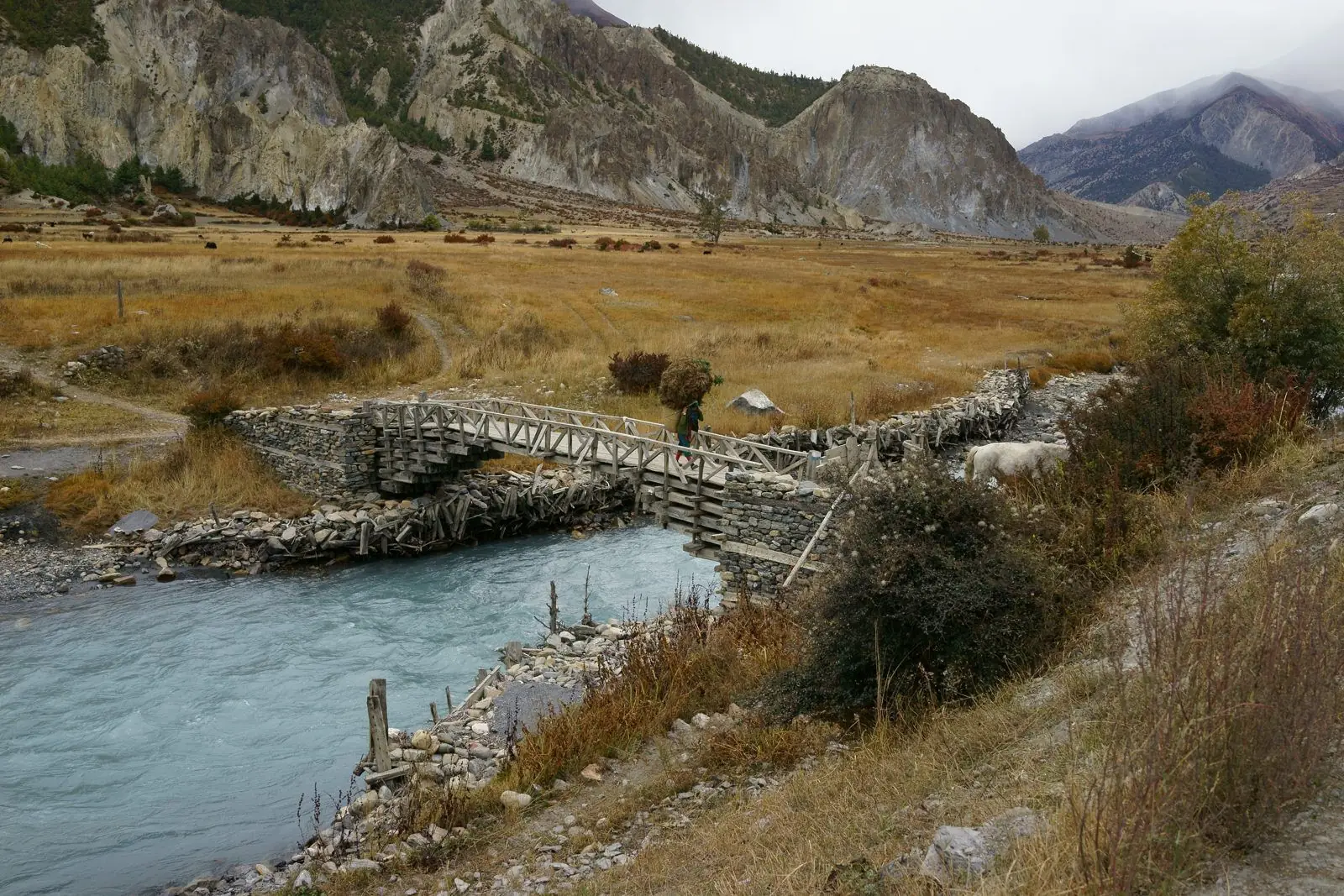
Most days involve several hours of walking on broad trails or tracks with moderate climbs, and the landscape is open, so you can see the route ahead. The challenge comes from the cumulative effect of altitude, wind and dryness. Evenings can be cold, and sleeping at height may be restless. You do not need technical skills, but you do need patience and good habits.
The effect of dry air
The dry climate can cause sore throats, cracked lips and nosebleeds, and it increases fluid loss. Drink more than you think you need, use lip balm, and consider a saline nasal spray. A buff or scarf over your mouth reduces dust inhalation. These small comforts make a big difference to how you feel on day six or seven.
Is it a good first Himalayan trek?
For fit walkers with some experience of hills, it can be a good choice, especially with a schedule that includes acclimatisation. For absolute beginners, a lower-altitude trek may be a gentler introduction. If you have any heart, lung or other medical conditions, discuss the plan with your doctor and operator before you commit.
Making the trek easier
- Use trekking poles to reduce strain on your knees on descents.
- Keep layers handy for sudden changes in wind and temperature.
- Take rest breaks, and do not skip meals.
Comparing with other treks
Upper Mustang has less steep climbing than many Himalayan treks, but long days and dry air make it tiring. Altitude averages 3,000 to 4,000 m with passes up to about 4,200 m. It suits trekkers who want culture and landscape without extreme altitude.
Preparation tips
- Practise walking in the wind and dust.
- Bring a lip balm and moisturiser for dry air.
- Drink plenty of water, as dry air increases dehydration.
- Protect your eyes and face from dust.