Yala Peak is widely considered one of the more accessible Himalayan trekking peaks, which is why it is a popular first summit. The technical climbing is modest and the walk-in is moderate. It is still a high-altitude climb at about 5,500 m, and it is physically demanding because of the altitude, cold, long summit day and basic camp conditions. Treat it as a serious step up from a teahouse trek.
What is easy about it
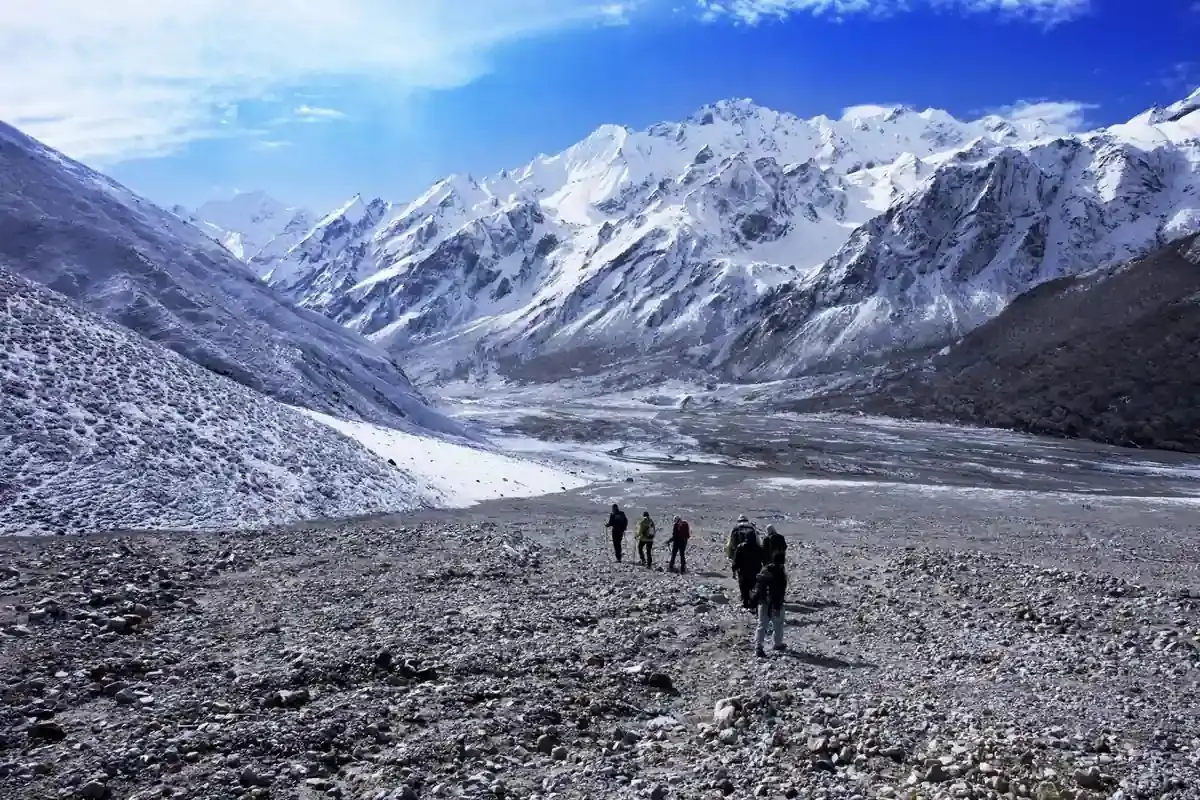
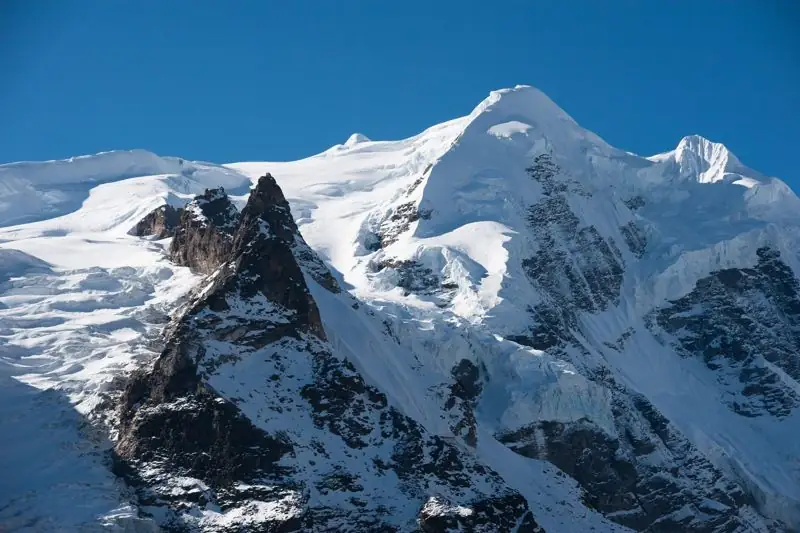
The approach follows a well-known valley with lodges at each stop. The summit route is not steep and long ice walls are not normally involved. Most of the day is a rocky and snowy ridge walk, with a short, steeper section near the top. Fixed ropes may be used in places, and guides help with the equipment.
What is hard about it
- Altitude. The top is above 5,000 m, where the air is thin and cold. Many people struggle here even if they are fit.
- The early start. Summit day begins in the dark in very cold air.
- Long hours. Summit day can last 8 to 11 hours including the descent.
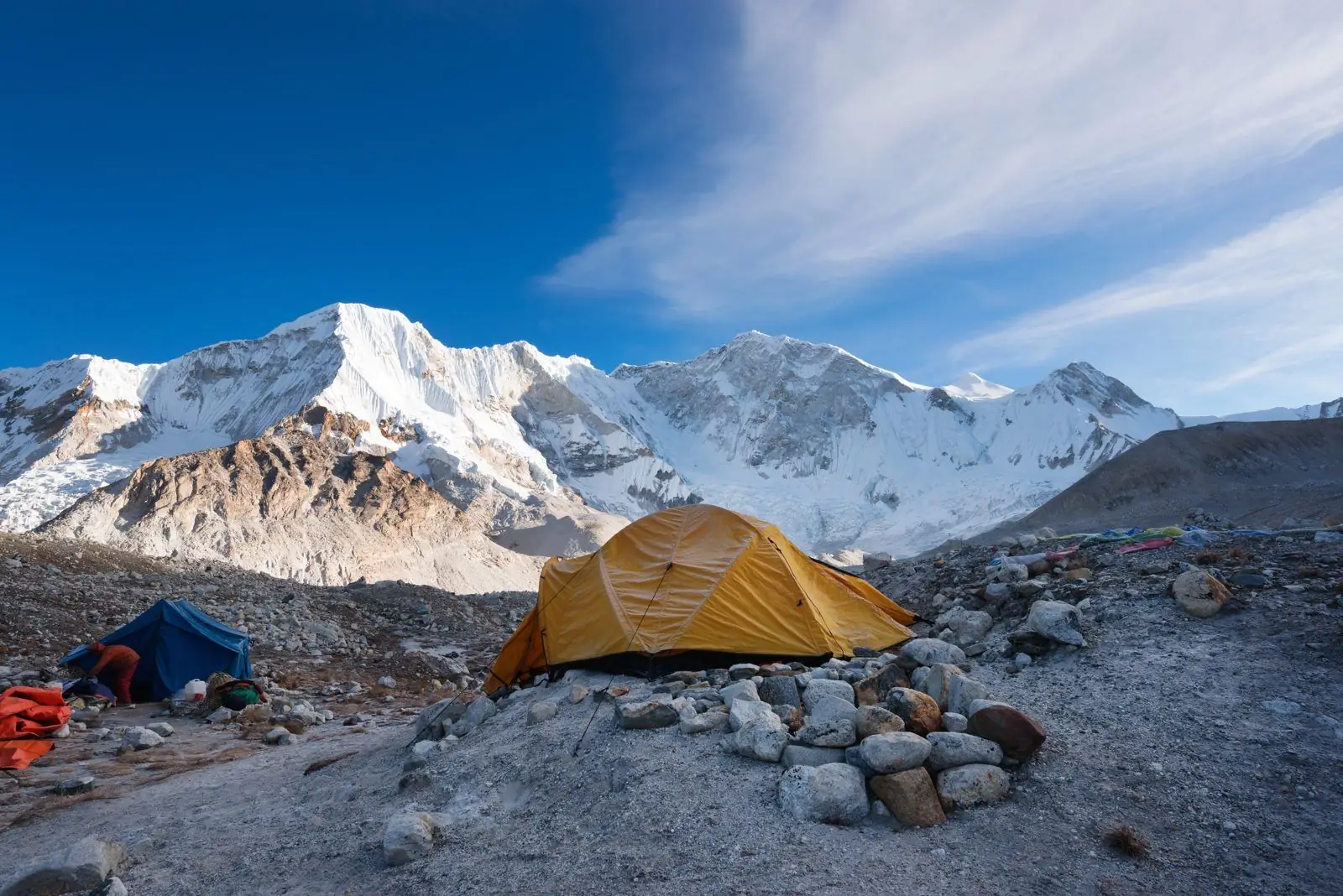
- Camp life. You sleep in tents, eat simple food and manage cold nights.
- Weather. Wind and fresh snow can slow or stop an attempt.
Skills you need
You do not need previous climbing experience, but you should learn to use crampons, an ice axe and an ascender. Guides teach these at camp. If you can practise before you leave, such as on a short alpine course, you will feel more relaxed on summit day.
How fit you need to be
Aim for the fitness of someone who can hike six to seven hours on consecutive days with a daypack. Add leg strength and some stair or hill work. See the training guide for a simple plan.
Who it suits
It suits healthy first-time peak climbers, trekkers moving up from a high teahouse trek and people who want a summit without the longer logistics of Khumbu peaks. It is less suitable for anyone with unmanaged heart or lung conditions or who has never been above 3,000 m, and those people should talk to a doctor and consider a gentler trek first.