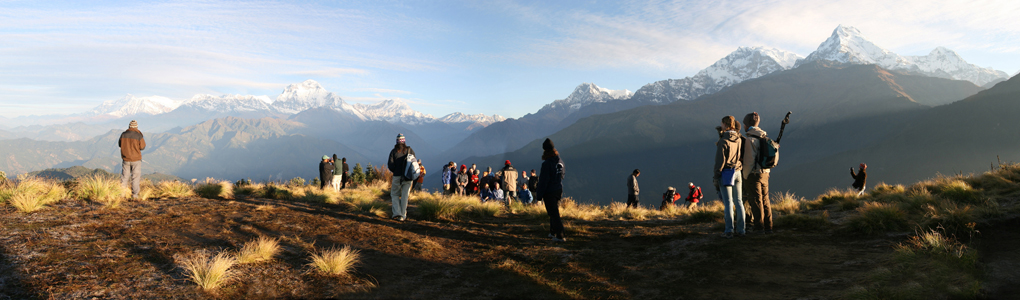
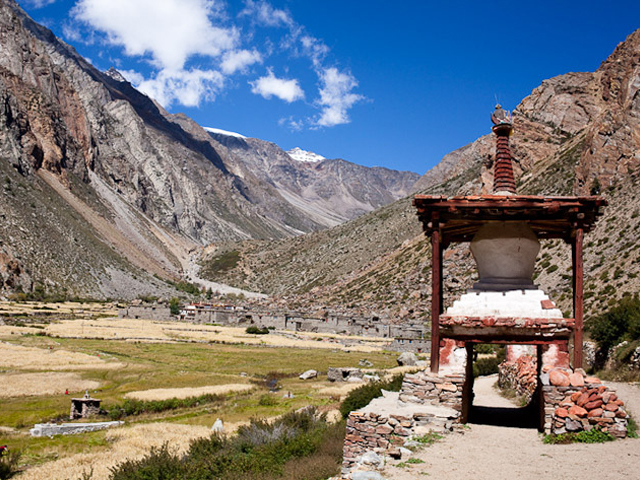
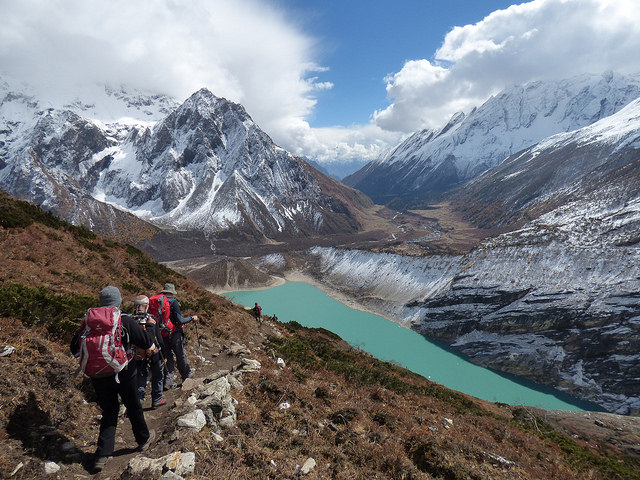
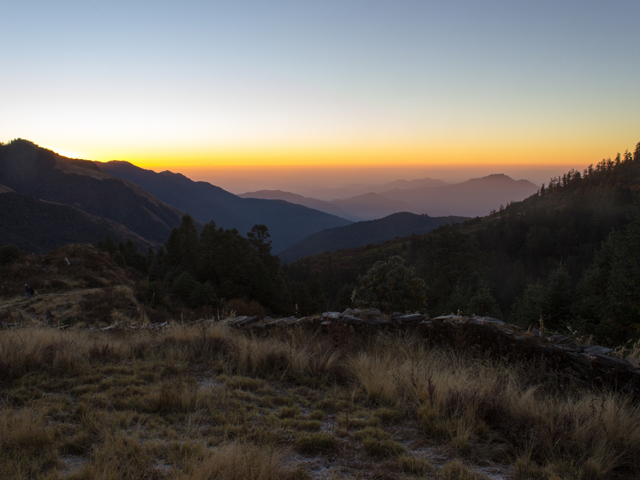
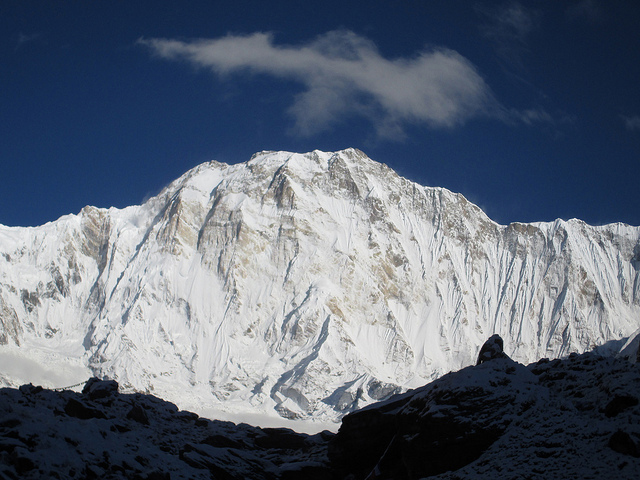
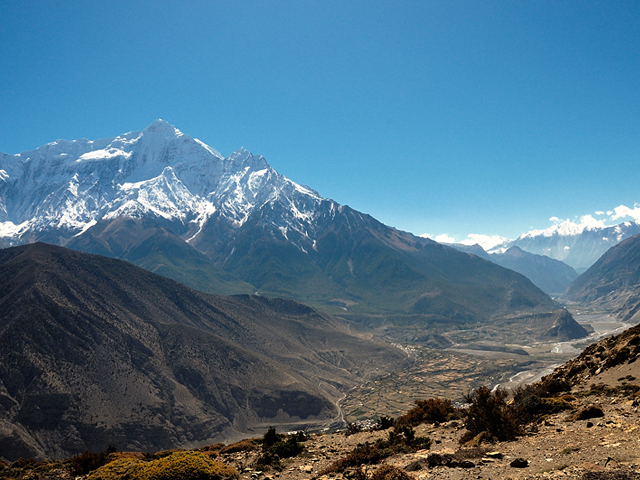
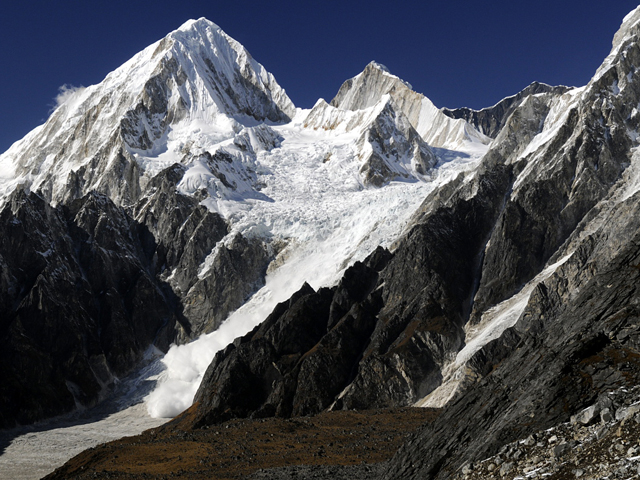
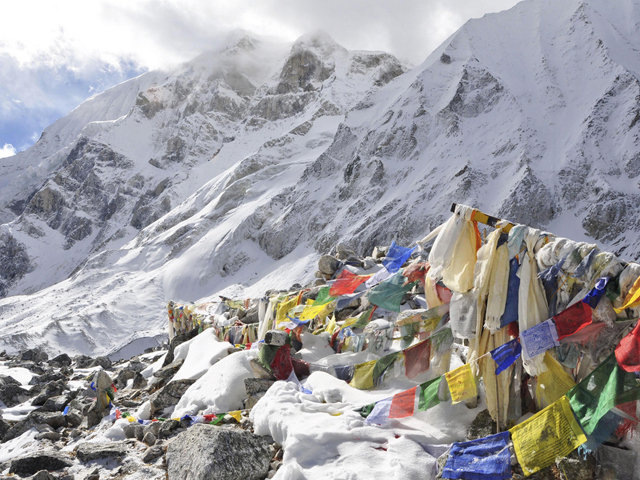
If you are looking to get off the beaten track and take a trek that borders on an adventure, then head to western Nepal. The far west was historically little more than a gateway or stopping point for pilgrims heading into Tibet and onward to Mount Kailash. That has changed with the newly opened trekking region of the Limi Valley, which attracts trekkers with a unique combination of isolation, rugged mountain landscapes and cultural authenticity. It is a restricted area, and permits are required; fees have traditionally been lower than in neighbouring Dolpo and Mustang, but check current rates. Trekking here is definitely off the beaten track, and whatever trekking infrastructure exists is primitive at best. All trekking parties should be self-supported and go with a knowledgeable local guide. However, those managing the logistics will be rewarded with an incredible experience.
Western Nepal lies in the rain shadow of Dhaulagiri, so the monsoon is relatively light. Snow frequently blocks the passes in winter, so the best time to trek is from late May to late October. Access to the region is via Nepalganj, the largest town in western Nepal and the first stop from Kathmandu. Flights to the more remote airstrips and trekking access points depart from Nepalganj for Simikot (for the Limi Valley trek), Jumla and Dunai (both in the Dolpo region). Nepalganj, at just 160 m, is relatively hot, and, being just 6 km from the Indian border, is strongly influenced by the culture of Uttar Pradesh. The town is developing rapidly and now has several decent hotels, and a walk through the old bazaar should not be missed.
The most likely trekking destination here is the newly opened 20-day Limi Valley trek. The highlight of the trek might be the ancient fortified villages of Janh and Halji, but the remote wilderness feel and the mountain scenery cannot be overlooked. The trek itself crosses two high passes: the Nara La (4,580 m) and the Nyalu La (4,990 m). It starts in Simikot, which requires a flight from Kathmandu to Nepalganj and onward to Simikot. Another possible adventure for those who cannot get enough, and do not mind roughing it, might be a trek of possibly a month to the base camp of Api Himal. Api, Nampa and Saipal are a string of peaks in the far west of Nepal, and at over 7,000 m they are the tallest peaks in this portion of the Himalaya.
Planning needs extra care because flights are weather-dependent and seats are limited. Build spare days at both ends, carry cash in small notes since there are no banks or ATMs on the trail, and hire local porters and guides to support communities. Trekkers should be prepared for basic lodging in village homes, simple food and no mobile signal for days at a time.
Image From Flickr: Abel Pau, Great Himalaya Trail, NepalGateway Trekking, Matt Zimmerman, NepalGateway Trekking, Andy Hares, Jan Zalud, David Wilkinson
Top Treks
Limi Valley Trek
A 20-day trek in the far west of Nepal that combines solitude and incredible mountain scenery with ancient villages and a culture that seems far removed from the modern world. Highly recommended for experienced, self-sufficient trekkers who want to see a part of Nepal that few visitors reach.
Api Himal Base Camp
This trek takes you to the tallest mountains in the far western region of Nepal, a string of three peaks that includes both Api Himal (7,132 m) and Saipal (7,031 m) in a small but compact sub-range of the Himalaya. Count on a 20 to 25 day journey to explore this rarely visited region.
Bardiya National Park
Famous for elephants, rhinos and, with luck, tigers, Bardiya is Nepal's largest and most pristine national park. It is a great alternative to the more popular Chitwan if you have the extra time to explore, with fewer visitors and a wilder feel.
Quick Answers about Western Nepal
What is the best time to visit Western Nepal?
May to October.
Which cities and towns should I know in Western Nepal?
Pokhara, Jomsom, Butwal.
What are the must-see places in Western Nepal?
Bardiya National Park.
Which peaks are found in Western Nepal?
Dhaulagiri, Nampa, Saipal.