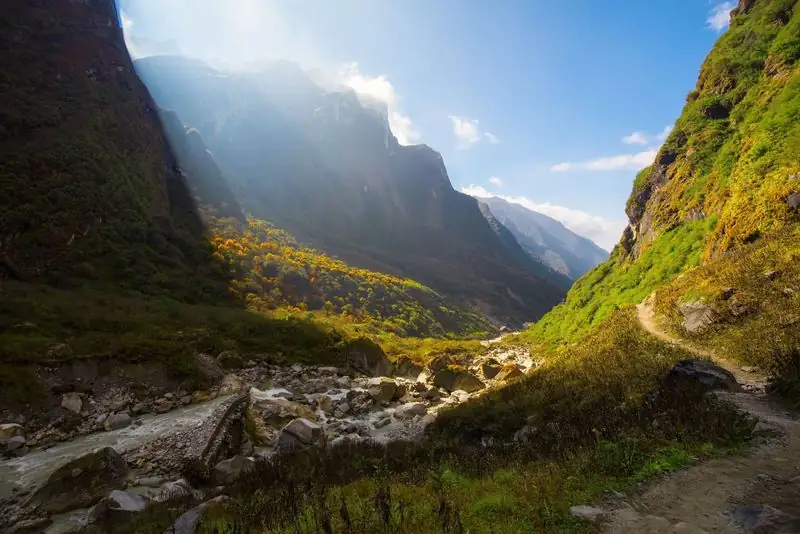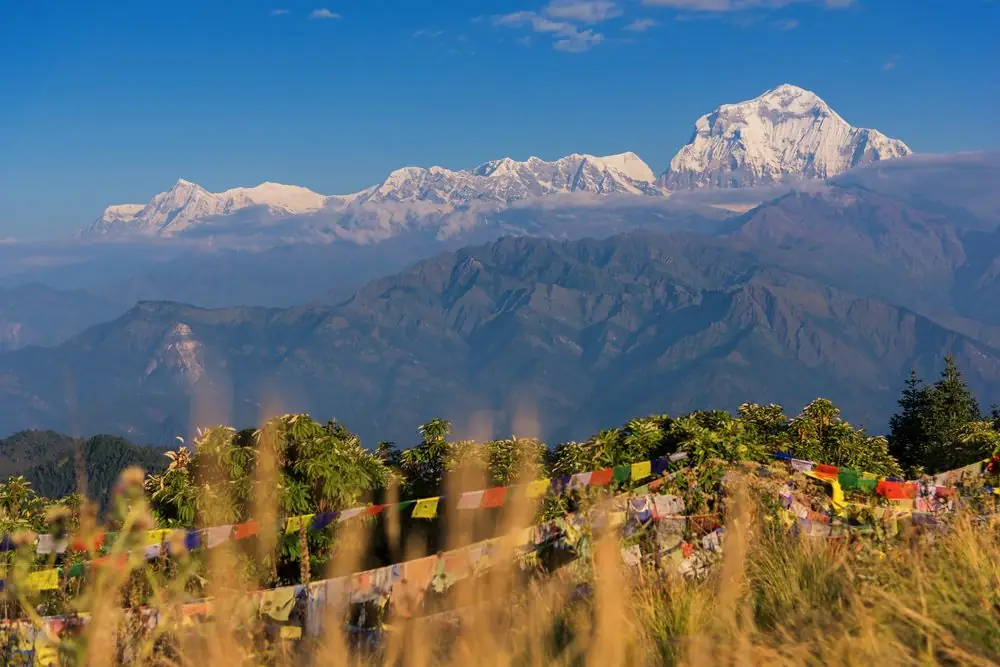
The Annapurna Circuit is no longer the road-free trail it was a few decades ago. Vehicle tracks now reach many villages on both sides of the pass, and this changes how people plan the trek.
What has changed
On the eastern side, a road follows much of the Marsyangdi valley, and on the western side a road runs along the Kali Gandaki valley. Jeeps and buses use these roads, and in some places the old walking trail runs beside or across them. Dust and traffic can make some days less enjoyable than the trail used to be.
Why some trekkers use vehicles
Skipping road sections saves time. Many people take a jeep from the start of the Circuit to a higher village, or from the lower Kali Gandaki valley back towards Pokhara. This lets a trek fit into a shorter holiday while keeping the high, scenic parts on foot.
Where the trail still shines
Alternative paths exist on both sides, often on the opposite bank or higher above the road. The stretch around Manang and the approach to the high camp below the pass remain trail-based. Side valleys, such as Nar Phu and the Tilicho route, are further from the road.
Planning your version
- Decide how much time you have and how much road you can accept.
- Ask your guide to choose trails that avoid dusty sections.
- Build the acclimatisation days into the plan before you start saving days elsewhere.
- Remember that vehicles do not remove altitude risk, and rapid ascent by road can cause symptoms.
Whichever version you choose, a licensed guide and TIMS card are required on the Annapurna Circuit. We can plan a version that fits your schedule.
How roads changed the experience
Roads have brought convenience to villages along the route, including easier access to supplies and healthcare, and they have also changed the feel of some sections, with dust and traffic. On the other hand, they have allowed more people to experience the region and have reduced the total time needed. Understanding both sides helps you decide how to plan your trip.
Finding the quiet trails
Even in areas with roads, many trails remain, climbing above the road, crossing side valleys or following old paths between villages. Guides know which stretches are pleasant to walk and which are better by vehicle. Ask your guide to take you on the older routes, and be prepared for a mix of surfaces. Walking early in the morning often avoids traffic.
Balancing time and experience
If time is short, using a vehicle on the lower, dustier stretch and walking the higher, more scenic sections may be the best compromise. If you have more time and love long walks, you can walk more of the route and enjoy the changing landscapes. There is no single correct way, only the one that suits your goals.
Questions to ask
- Which sections of the itinerary are walked and which use vehicles?
- Are there alternative trails that avoid the road?
- How does the road affect lodging and meal availability?
What our guests say
Excerpts from guest reviews of Himalayan Wonders, our parent company, on Tripadvisor.
“They took utmost care of our group of 5 friends from Kathmandu airport upto the completion of the trek”