Most people trek the Annapurna region in spring or autumn, but the off-season months can work if you choose the route carefully and accept some trade-offs.
Monsoon, June to August
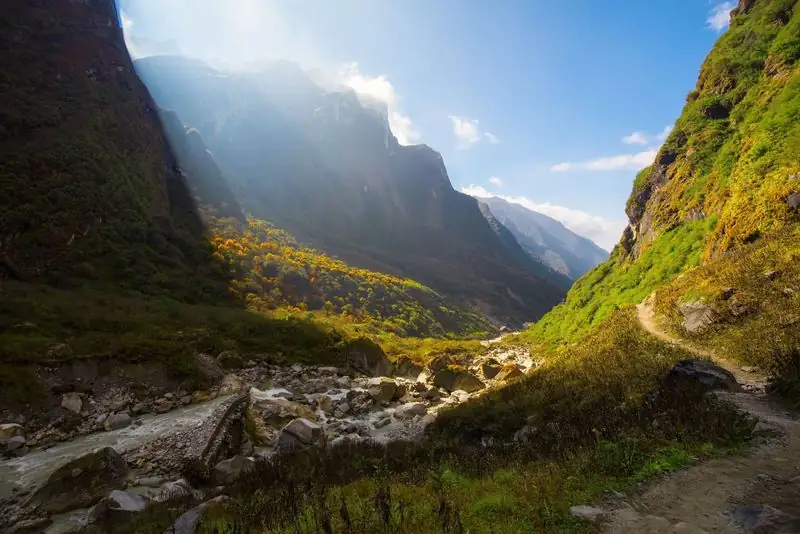
The southern side of the range receives heavy rain. Trails get muddy, rivers rise, leeches appear in the forest, and clouds often hide the mountains. Landslides are a risk on roads and steep trails, so schedules need slack. On the plus side, the hills are green, the trails are quiet, and some lodges offer lower rates.
The northern, rain-shadow side, including the Upper Manang and Mustang areas, receives far less rain and can be a better monsoon choice. Even there, access roads and flights can be affected by weather.
Winter, December to February
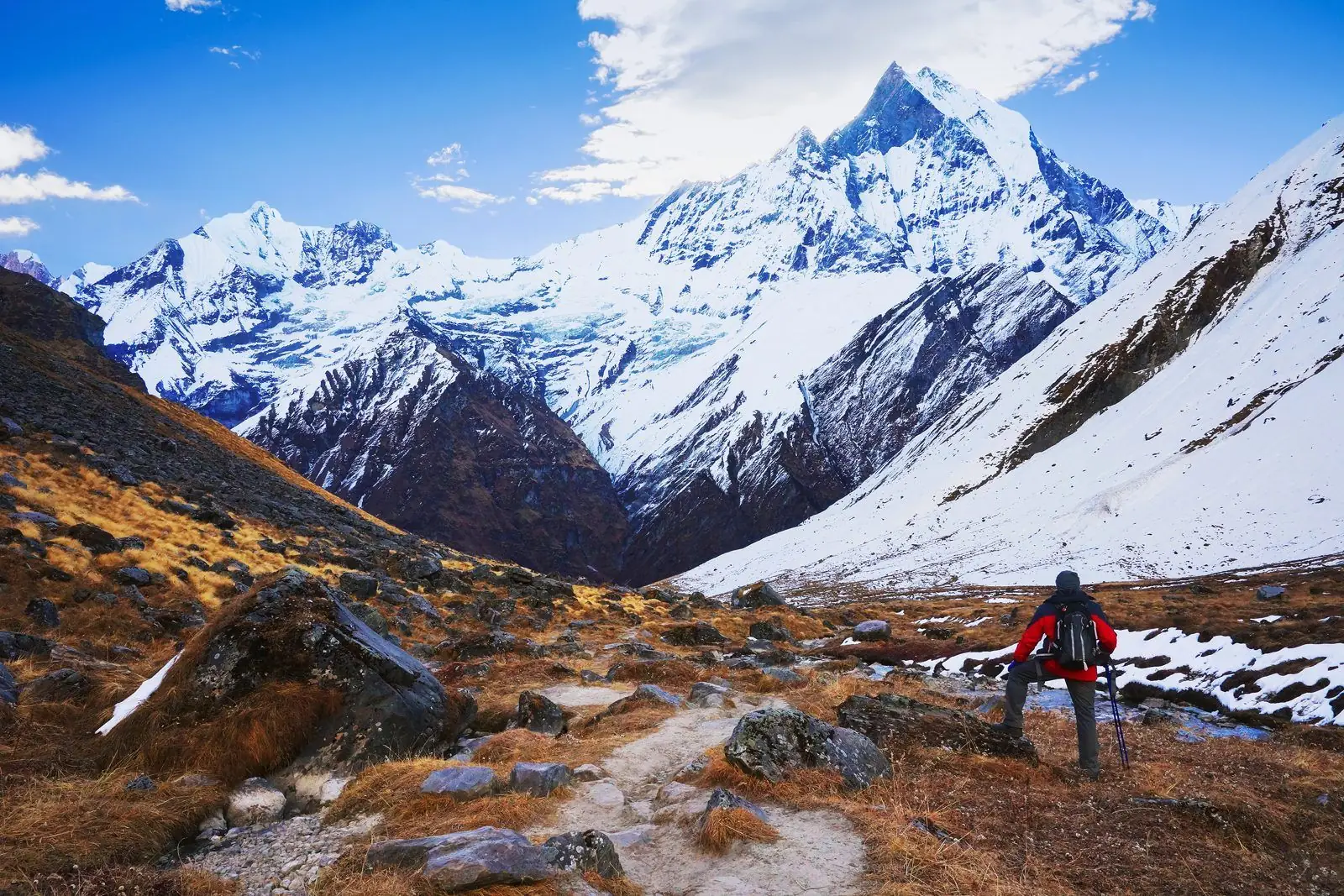
Winter is cold, and days are short. Low and mid-level trails are often clear and offer crisp views, although nights are cold and some lodges close at the highest settlements. Snow can accumulate on the upper sections of Annapurna Base Camp and Mardi Himal, and avalanche risk needs attention. The Thorong La crossing is much riskier in winter, and it can be closed after snowfall.
Best off-season options
- Poon Hill: short and low enough to be pleasant in winter.
- Lower-altitude village walks around Pokhara: good in any season.
- Upper Mustang and Manang valleys in monsoon: drier, but still weather-dependent.
Preparing
Pack proper rain gear in summer and strong warm layers in winter. Allow extra days for delays and ask your operator about road and trail conditions close to departure. Travel insurance that covers delay and evacuation is particularly useful in these months.
Why the off-season can still work
Trekking in the monsoon or winter appeals to those who prefer quiet trails, lower prices or have holidays that fall outside the main seasons. Villages are calmer, and you spend more time with local families. The scenery may be greener in summer and crisp and clean in winter. With realistic expectations and the right gear, these months can be rewarding.
Weather risks to plan for
In the monsoon, landslides can block roads and trails, leeches appear in the lower forests and clouds hide many views. In winter, snow can cover high trails and close passes, and short days limit walking time. Flights and road journeys can be delayed. Choose routes and itineraries that allow flexibility, and listen to your guide on the day.
Staying comfortable
Good waterproof clothing, a warm sleeping bag and well-fitted footwear are essential. Carry extra socks and a dry bag for electronics. In winter, protect hands and feet from cold, and keep drinking even if you do not feel thirsty. Expect fewer lodges to be open at high altitude, and confirm your plan with the operator.
Good choices for the off-season
- Lower-altitude routes such as Poon Hill or Ghandruk in winter.
- Northern areas beyond the main range in the monsoon, where rainfall is lighter.
- Short itineraries with built-in spare days.
What our guests say
Excerpts from guest reviews of Himalayan Wonders, our parent company, on Tripadvisor.
“They took utmost care of our group of 5 friends from Kathmandu airport upto the completion of the trek”