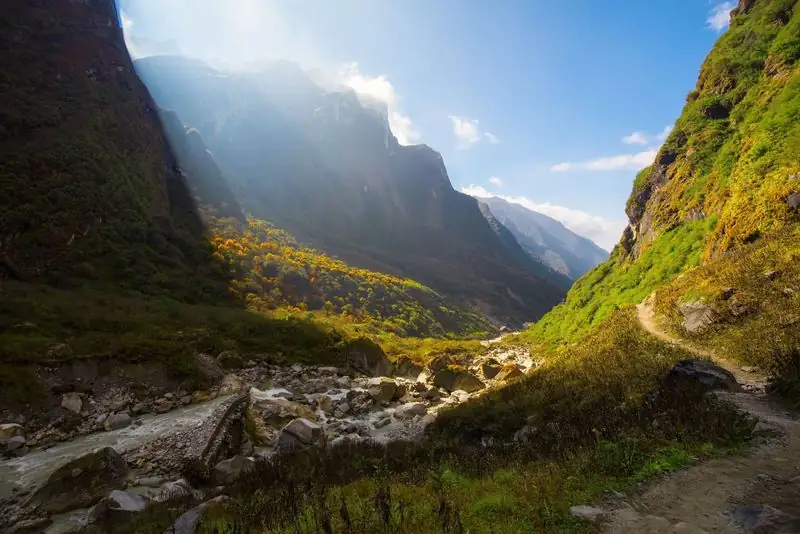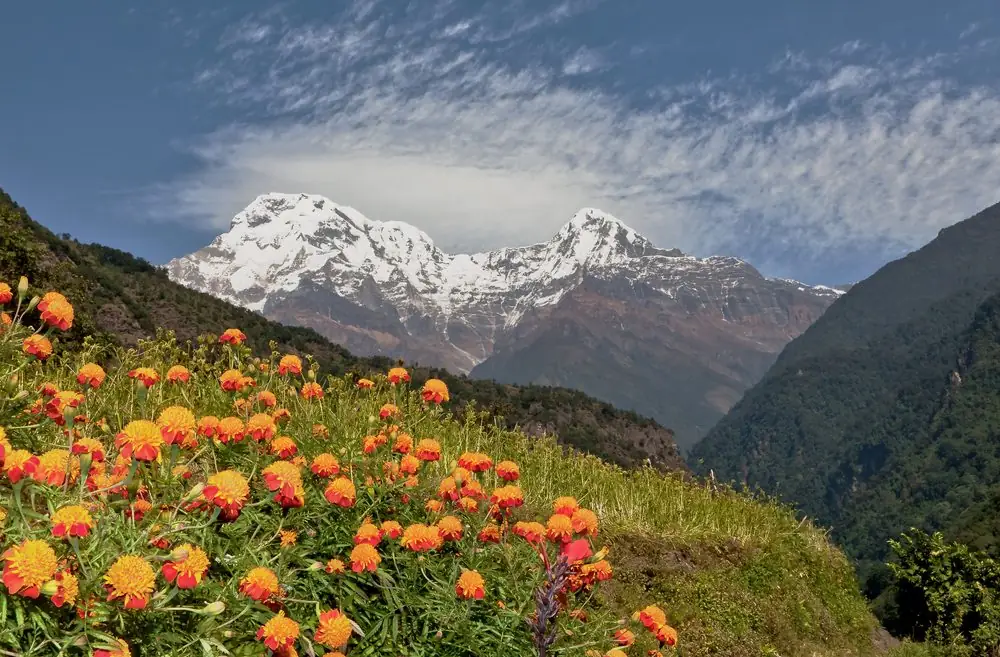
The Annapurna Circuit is a demanding trek mostly because of its length and its high point. It involves many days of walking, a gradual climb to above 3,500 m and a very long crossing day over Thorong La at about 5,416 m. It is not technical, but it is serious.
What makes it demanding
- Duration: the full walk takes around two weeks or more, so tiredness accumulates.
- Altitude gain: from about 800 m to over 5,400 m, then a steep descent of more than 1,600 m to Muktinath.
- The pass day: a start in the dark, cold and strong wind, and eight to ten hours on the move.
- Weather: snow can close the pass, and afternoon winds can be fierce.
Altitude on the Circuit
Because it is easy to travel quickly up the valley by road, some trekkers gain height faster than their bodies can adjust. The risk is highest at the final stages before the pass. A rest day at Manang and a slow approach to Thorong Phedi or High Camp give you a better chance.
Thorong La
The pass itself is a broad, snowy ridge, and it is not technically difficult in good conditions. The danger comes from cold, wind, fatigue and altitude. Starting early, carrying warm layers, goggles and water, and turning back if the weather worsens are the basic rules. Guides watch the forecast and the condition of the trail.
Fitness needed
Good endurance is essential. Training with long hikes and back-to-back days helps, and some experience of altitude is a real advantage. People who are new to high altitude may choose a shorter trek first.
Safer choices
Allow spare days, avoid the pass in heavy snow, and agree with your guide on conditions for turning back. The Circuit is on the Nepal Tourism Board list of routes that require a licensed guide and an agency-issued TIMS card, which adds a layer of local knowledge to the trek.
The cumulative effect
The Circuit is a long trek, and the main challenge is endurance. After a week or ten days, small aches and tiredness build up, and you need to manage them through rest, food and sleep. Blisters, colds and stomach upsets can interrupt progress, so do not underestimate basic care. A steady daily rhythm works better than occasional big efforts.
Why acclimatisation days matter
The altitude gains are gradual until the final climb to Thorong La, but they are real, and the body needs time. Rest days in Manang give you the chance to adjust and also to enjoy the village, its monastery and the surrounding hills. Do not skip them because you feel fit, since fast ascents are the main cause of trouble in strong trekkers.
Weather risk and flexibility
Snow, wind and low visibility can close the pass or make it dangerous. Tell your family that your return date may change, and build extra days into the plan so that you can wait for a safe window. Guides track forecasts and local reports, and their judgement should be respected. A flexible attitude is a safety tool.
Decisions to make early
- Whether to walk the full route or use vehicles on the lower sections.
- Whether to include Tilicho Lake or other side trips.
- How many spare days you can afford for weather.
What our guests say
Excerpts from guest reviews of Himalayan Wonders, our parent company, on Tripadvisor.
“They took utmost care of our group of 5 friends from Kathmandu airport upto the completion of the trek”