




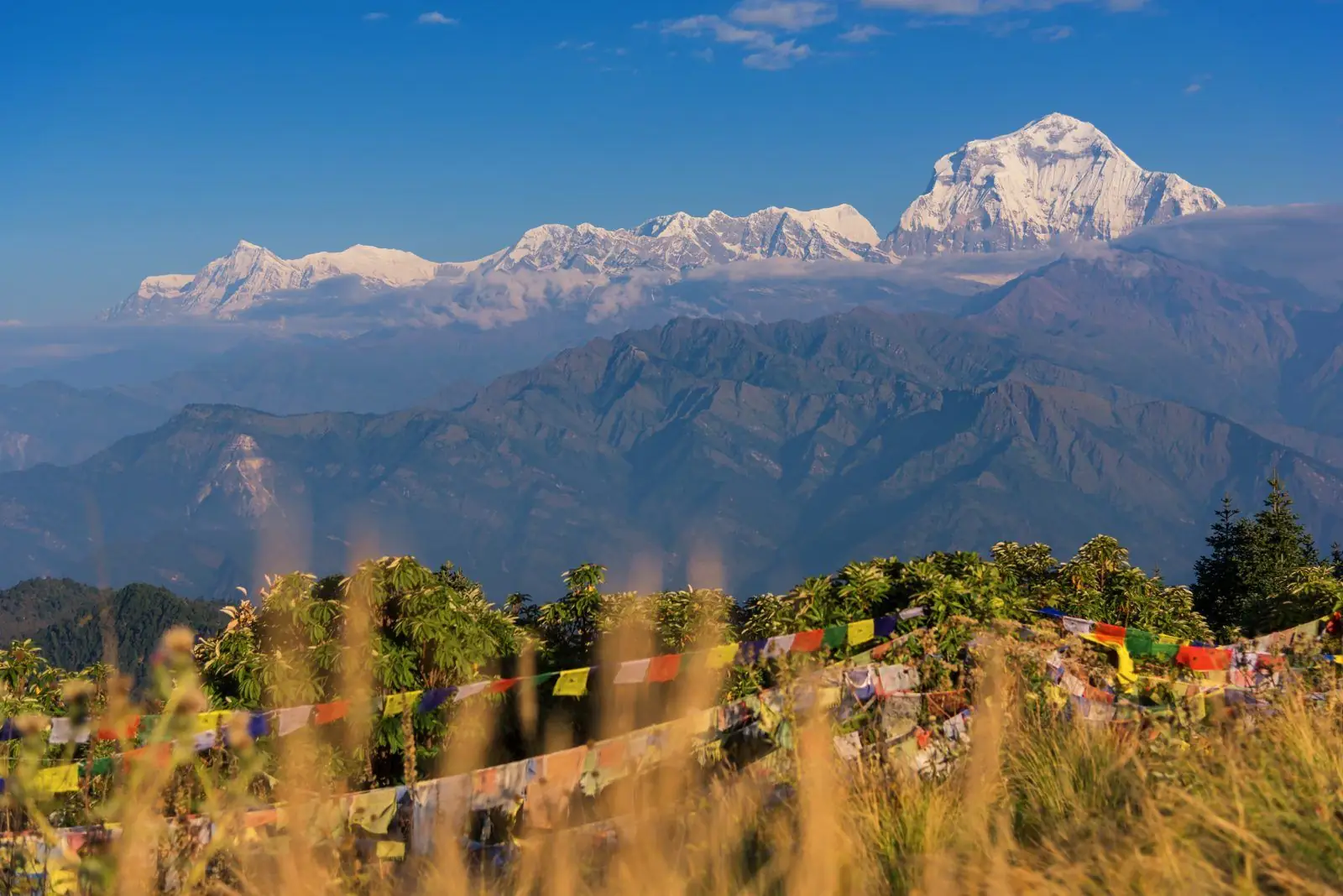
The best Nepal treks for families are short, low and close to a road: Ghandruk and Australian Camp, an easy Poon Hill route, Panchase near Pokhara, and Helambu near Kathmandu. They keep sleeping altitude modest and let you leave quickly if a child is unwell. Avoid high, remote routes with young children, and keep daily walks short and flexible.
What to look for with children
Children usually tire less from distance than from stairs, cold and unfamiliar food. A good family route has these qualities, which you can check before you commit to any itinerary:
- Sleeping altitude kept below roughly 3,000 m
- Short days with time for play and rests
- Villages with reliable lodging and a road within reach
- Flexibility to shorten or skip a day
Children can have altitude illness too, and young ones may not say what they feel. Watch for unusual crankiness, vomiting, poor appetite or sleepiness, and descend if worried. General information only, not medical advice.
Ghandruk, Australian Camp and Panchase
These are the most relaxed choices. Ghandruk, a large Gurung village at about 1,940 m, has stone-paved lanes, cultural interest and wide views, and it can be done as a short loop from Pokhara. Australian Camp, at about 2,000 m, is a gentle viewpoint walk reached on easy forest paths. Panchase, at about 2,500 m, is a ridge close to Pokhara with a quiet, wooded feel and mountain views in clear weather. All three suit a few days of walking with plenty of stops. Weather matters, so mornings tend to give the clearest views, and monsoon leeches can bother children.
Poon Hill and Helambu for older children
Poon Hill reaches about 3,210 m, so it suits school-age children who already enjoy walking, not toddlers. The staircases are long, and we plan slower days and a rest buffer when children are in the group. Helambu lies north-east of Kathmandu and offers villages, forest and cultural stops without the high-altitude commitment of bigger routes, although its upper ridges climb higher than the lower villages. Because it starts by road from the capital, a change of plan is straightforward. Choose spring or autumn for stable weather and comfortable temperatures, and keep winter nights cold in mind.
Practical points for parents
Pack warm layers, rain cover, sun protection, snacks children recognise and a small first aid kit with the advice of your doctor. Agree on a signal for when a child needs a break. Porters can carry most bags so everyone walks light. Hold a flexible schedule, since a tired child changes everything. Indian families do not need a visa for Nepal but should carry valid photo ID for every member, as well as any documents required for minors, and should check current currency rules for Indian notes. Rules change, so confirm before you travel. Our packages include permits, licensed guide, porters and transfers, and we can add a spare day.
Common questions
What age can children trek in Nepal?
There is no single rule. Many families walk with children from around five or six on easy low routes, if the child enjoys walking. Talk to your paediatrician, and keep altitude and daily distance modest.
Is Everest Base Camp suitable for kids?
We do not recommend it for young children. The route climbs to about 5,364 m, with cold, remote stretches and limited quick exits. Choose lower routes and revisit higher ones when children are older and experienced.
Which season is best for a family trek?
Spring and autumn usually give the most stable weather and comfortable temperatures. Summer brings monsoon rain and leeches, and winter nights are cold at height. Conditions vary, so confirm before you travel.


