The short version: three of the most asked questions, answered in a line each. The rest of the page goes into detail.
- How long do the Dingboche acclimatisation hikes take? Nangkartshang takes about 3 to 5 hours up and down.
- What happens if I skip the Dingboche rest day? Plans without the Dingboche rest, such as the 10-day plan, are tighter and give your body less time to adapt before the higher nights.
- Why is Dingboche the usual place for the second acclimatisation day? Dingboche, at about 4,410 m, is near the point where most trekkers first feel the altitude.
Which hike should I choose on my Dingboche rest day?
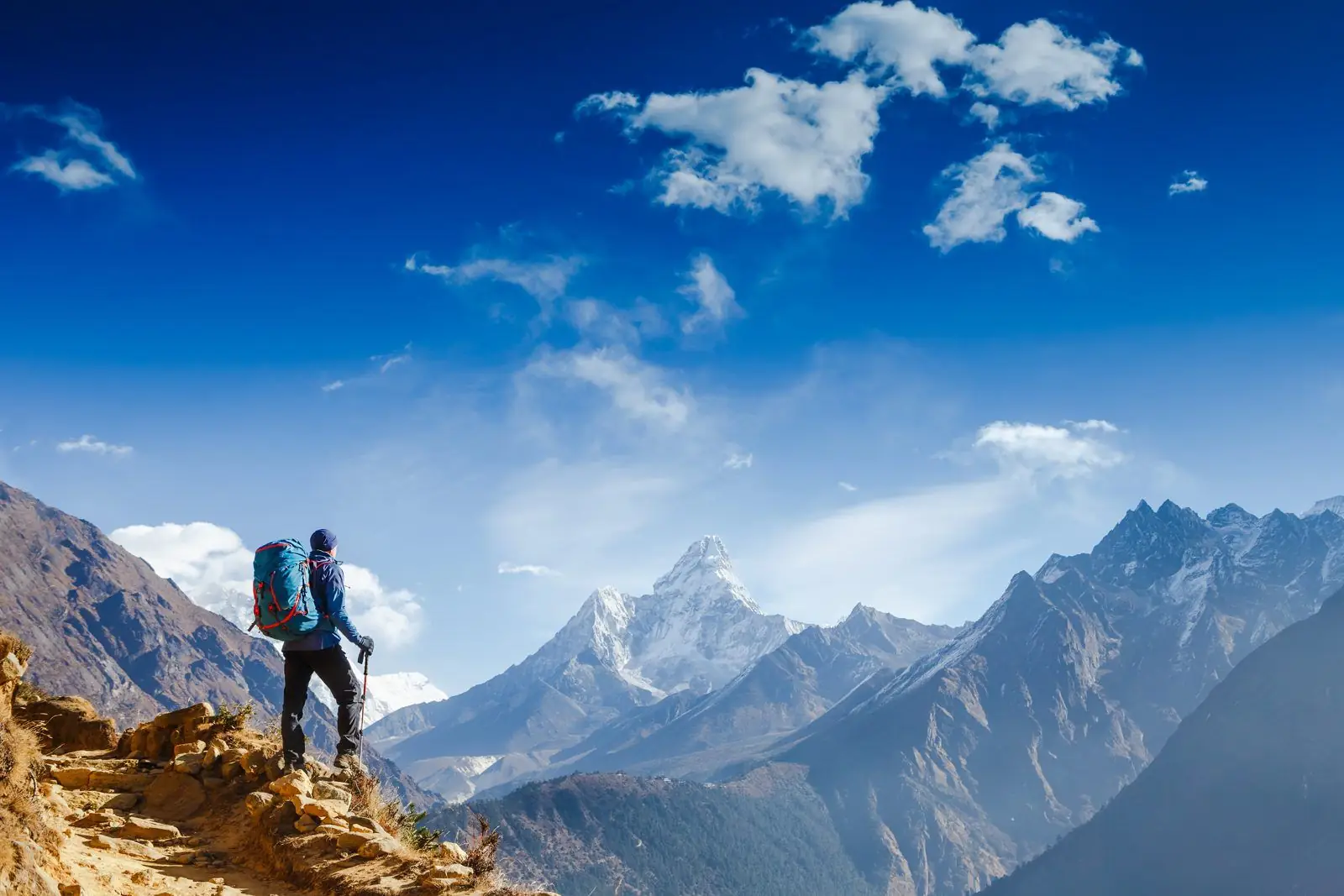
Match the hike to how you feel. If you feel strong, choose Nangkartshang. If you feel average, take the ridge behind the village. If you feel tired or unwell, walk towards Chhukhung or simply rest in the village. All of them start and end at your lodge, so your sleeping height stays the same.
How long do the Dingboche acclimatisation hikes take?
Nangkartshang takes about 3 to 5 hours up and down. The ridge behind the village takes about two to three hours in total. The Chhukhung walk is roughly two hours each way. These are planning figures, and times differ between people, so go at your own pace and allow extra.
What happens if I skip the Dingboche rest day?
Plans without the Dingboche rest, such as the 10-day plan, are tighter and give your body less time to adapt before the higher nights. Lobuche is at about 4,910 m and Gorak Shep at about 5,164 m. Ask your operator how your itinerary builds in other acclimatisation.
Why is Dingboche the usual place for the second acclimatisation day?
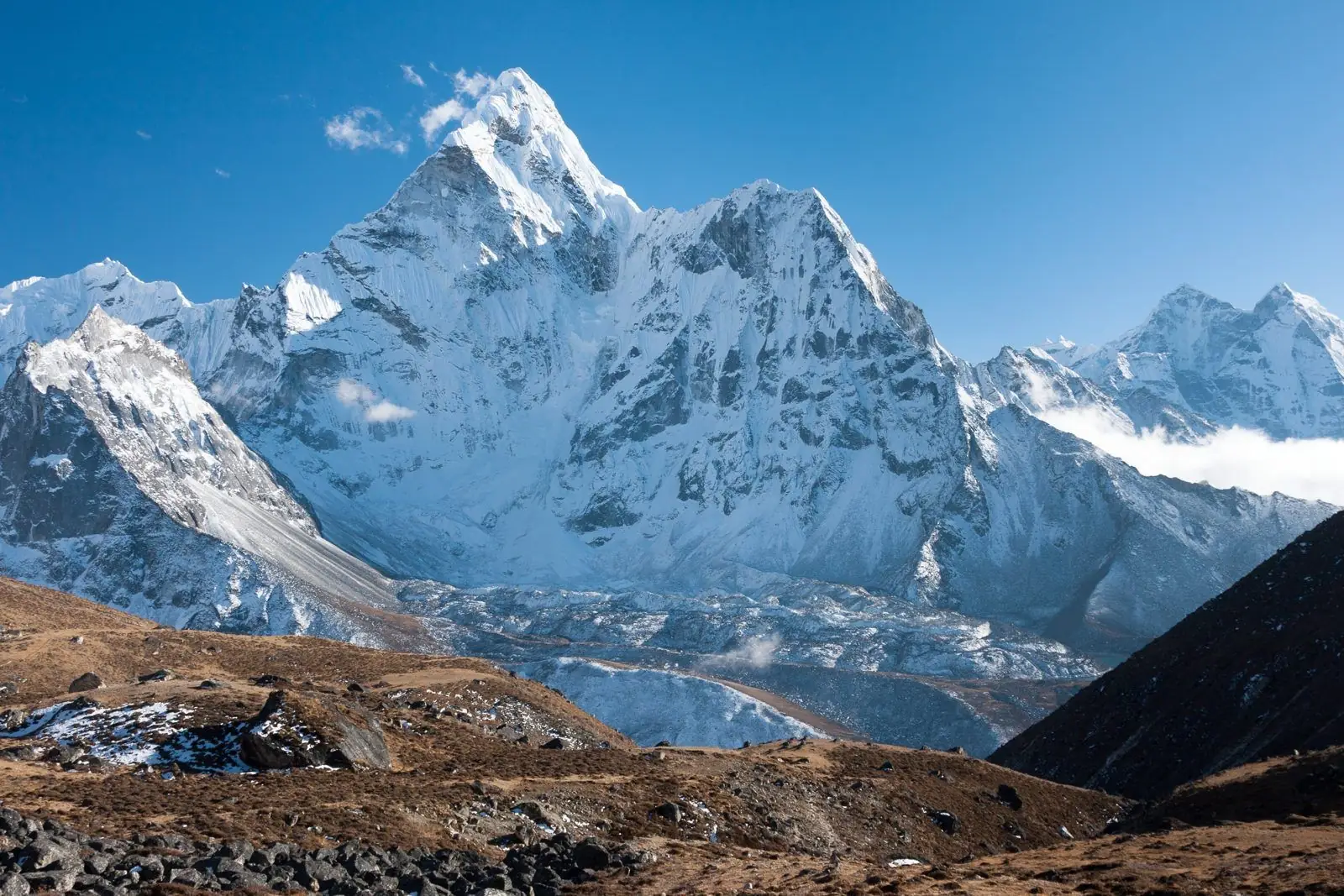
Dingboche, at about 4,410 m, is near the point where most trekkers first feel the altitude. The next nights are higher, so a pause here gives your body time to adjust before them. Ama Dablam rising directly above the village also makes it an easy place to spend a full day.
Which Dingboche hike has the best views?
Nangkartshang gives the broadest panorama, with Makalu to the east, Lhotse and Ama Dablam close by. The ridge behind the village is easier but still offers a good view. Chhukhung gives an up-close look at the Lhotse and Island Peak walls, so choose by view and by energy.
What does a good rest-day schedule look like?
Have breakfast around 7 a.m. with plenty of fluid, take a slow hike of two to three hours, then eat lunch and rest for a long spell. Walk gently around the village in the afternoon, eat an early dinner and aim to be in bed by about 8 p.m.
Can I turn back early on a hike and still benefit?
Yes. Walk at a pace where you can talk in full sentences, stop for water every hour, and turn around early if your breathing becomes hard. You do not need to reach the top to get the benefit, because time spent higher, then sleeping lower, is what trains your body.