




The short version: three of the most asked questions, answered in a line each. The rest of the page goes into detail.
- How long is a typical Ganesh Himal or Ruby Valley trek? Most routes take seven to twelve days, and a common plan lasts about nine days from Kathmandu.
- Do I need to be very fit for these treks? You need to be a fit walker, but not an expert.
- How demanding is Ruby Valley compared with Manaslu? These routes are less demanding than Manaslu.
How long is a typical Ganesh Himal or Ruby Valley trek?
Most routes take seven to twelve days, and a common plan lasts about nine days from Kathmandu. That means a long drive to the trailhead, six or seven walking days and a return by road. Routes vary, so agree the exact plan with your operator.
Do I need to be very fit for these treks?
You need to be a fit walker, but not an expert. Walking days are four to six hours with steady climbs through terraces and forest on earthen trails that can be steep. Altitude is moderate, so regular training walks before you come will be enough for most people.
How demanding is Ruby Valley compared with Manaslu?
These routes are less demanding than Manaslu. They stay mostly in the mid-hills, below about 4,000 m, without the high passes of better-known regions. They are also quieter and less developed than Langtang or Annapurna, so facilities are simpler.
Can the route be adjusted if I have more or fewer days?
Yes. Tell your operator how long you have and they can suggest a plan. Names and starting points vary between operators, so ask for the exact route, and keep one spare day because roads can be slow in wet weather.
Should I avoid Dashain and Tihar?
Plan around them. These autumn festivals affect transport and lodges, so either avoid them or add a few extra days. Because lodging is limited, book early if you travel in a festival period, and ask your agency about road and lodge availability.
Is spring or autumn better for the Ganesh Himal region?
Both are comfortable. Autumn, from October to November, has clearer skies and dry trails and is the most popular time. Spring, from March to May, brings rhododendrons and warm days with good morning views. The monsoon is wet with leeches, so it is not recommended.
Will I see big mountains on this trek?
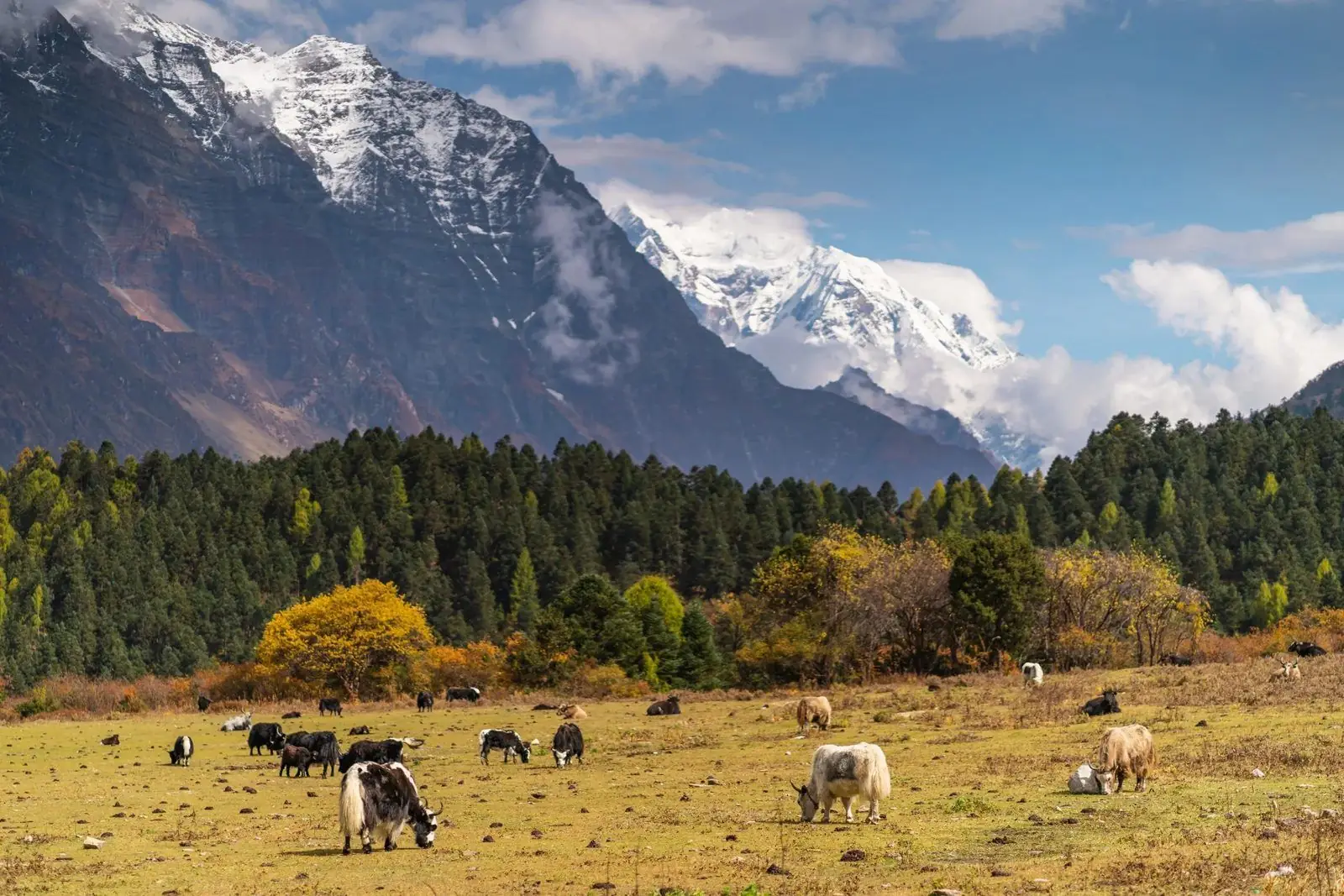
Yes, mainly from viewpoints and the highest camp, usually around 3,000 to 3,800 m depending on the route. The Ganesh Himal range has a summit of about 7,400 m. Mornings are usually clearest, but cloud can build later, so keep your plans flexible.


