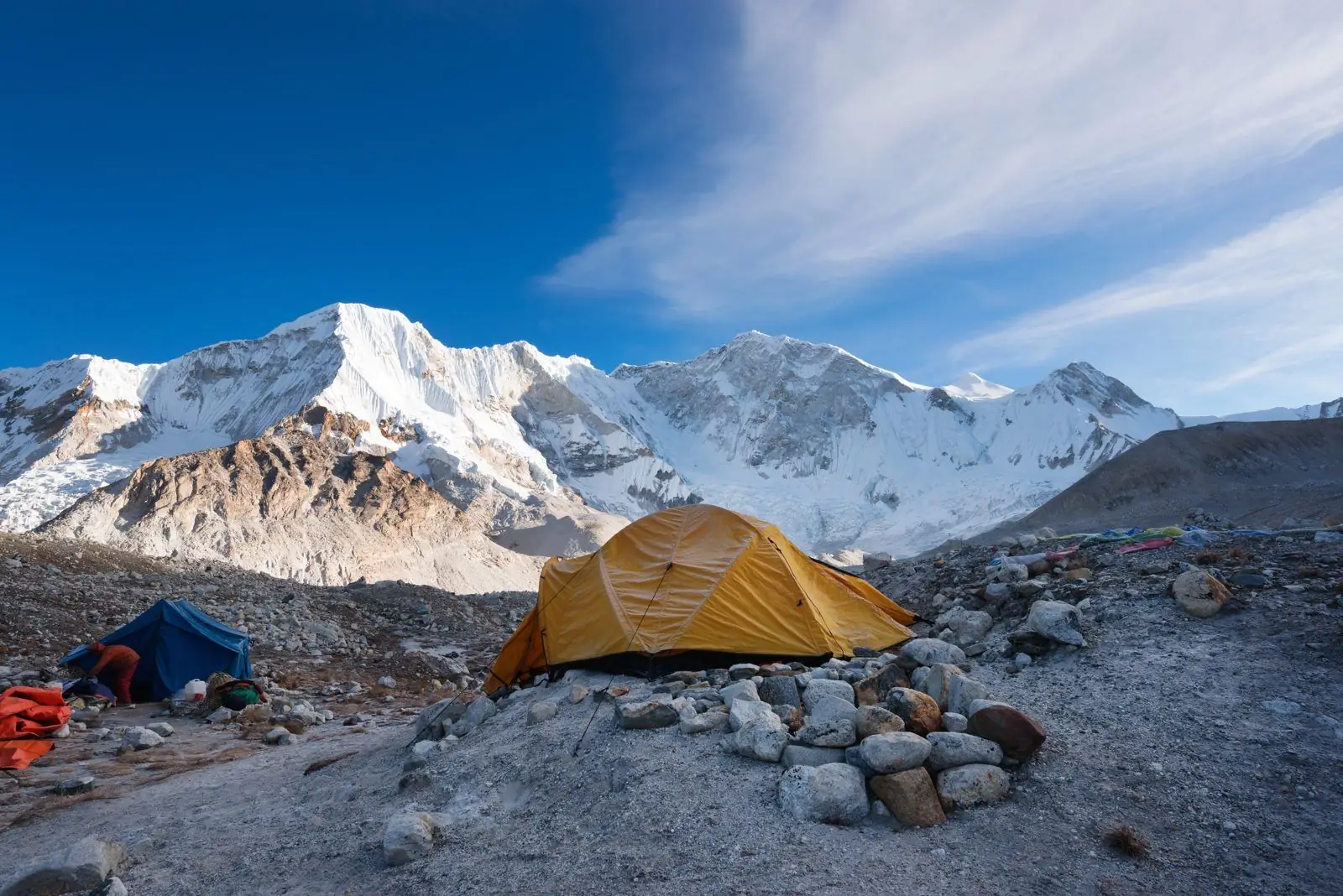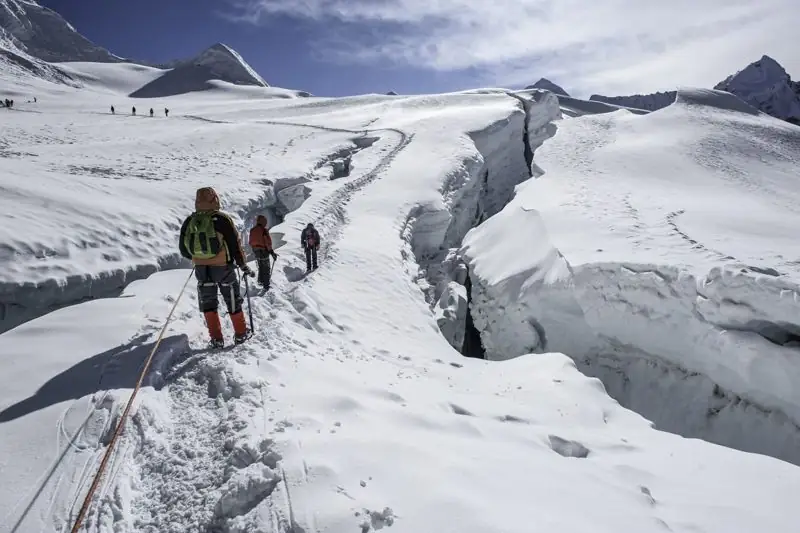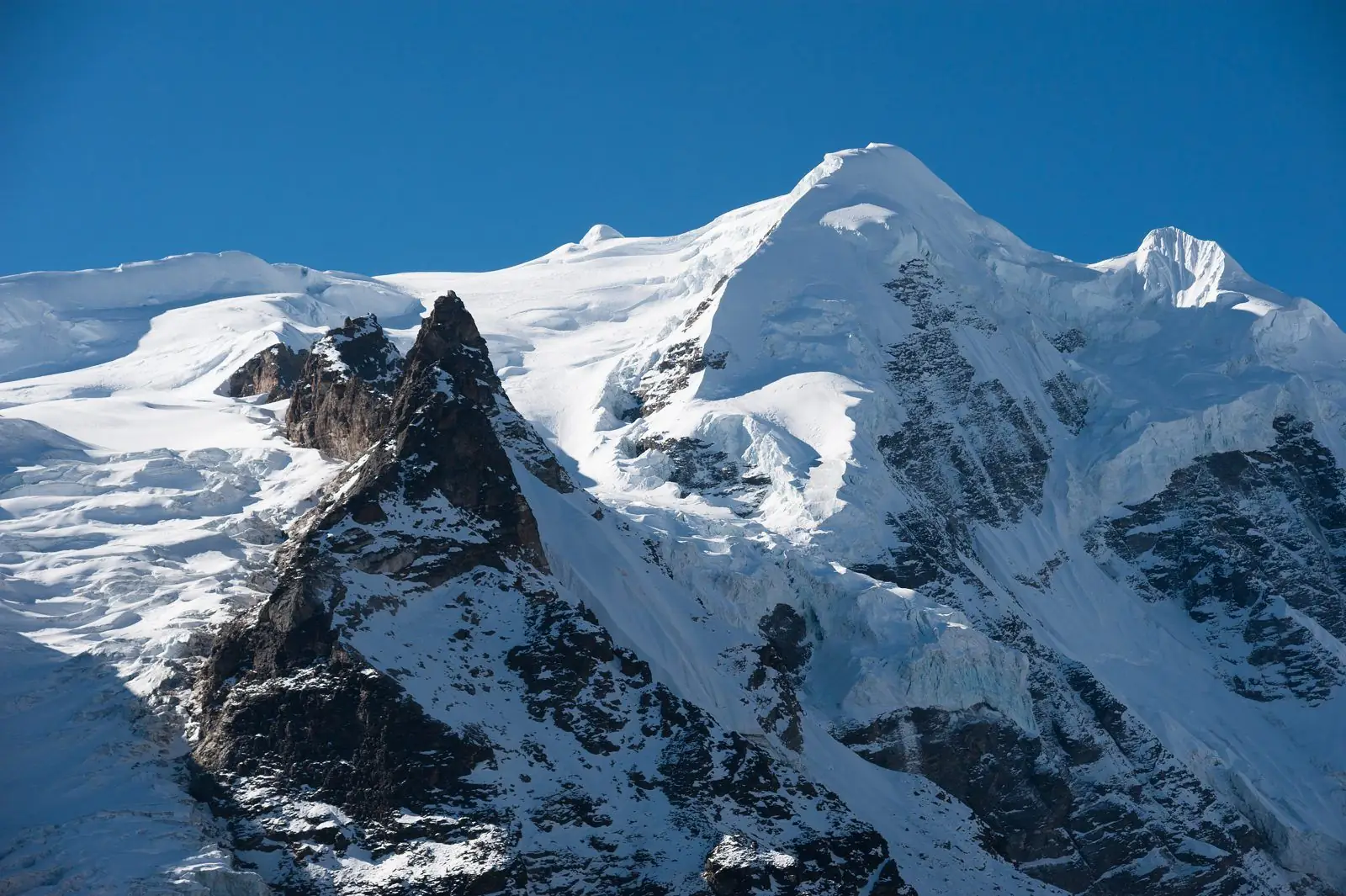
Island Peak is a trekking peak in the Khumbu region, and climbing it requires a permit from the Nepal Mountaineering Association, arranged through a registered trekking agency. You cannot normally buy it at the foot of the mountain.
Climbing permit
The peak permit fee is set by the authorities and varies by season. We do not quote a figure on this page, because we have not been given a current official schedule for it. Ask us for the up-to-date number for your travel dates.
National park entry
The route passes through Sagarmatha National Park. The entry fee supplied to us is NPR 3,000 for foreign nationals and NPR 1,500 for SAARC nationals, per entry. Children under ten are free.
TIMS and guide
The Everest region routes, including Everest Base Camp, Gokyo, Cho La, Three Passes and the Amphu Labtsha pass, are on the list where a licensed guide and an agency-issued TIMS card are required. Island Peak itself is not named in that list, but the approach follows those trails, and the climb is always organised with a guide through an agency. Ask us to confirm what applies to your plan. TIMS costs NPR 1,000 for SAARC nationals and NPR 2,000 for others.
Local fees
A local municipality pass may be charged in the Khumbu. We are still confirming how it applies to the standard route, so please ask us.
What to prepare
- Passport scan and photos.
- Insurance that covers climbing to six thousand metres and evacuation.
- Your medical and experience details.
Liaison officer
Trekking peaks do not require a liaison officer in the way expeditions do. Check current rules with us.
Fees and rules can change, so confirm them before booking.
Why the rules exist
Permits and regulations on Nepal's peaks are meant to manage safety, protect fragile mountain areas and make sure climbers are supported by trained local staff. They also feed a rescue and conservation system that benefits everyone. Seen this way, the paperwork is less an obstacle than part of climbing responsibly in a high, remote region.
Who handles the process
A registered Nepali operator normally applies for the climbing permit, arranges park entry and TIMS and submits your passport details and photographs. You should expect to provide clear passport copies, passport-size photographs, your insurance details and an emergency contact well before departure. Late documents are a common cause of delay, so send them early.
Rules to respect on the mountain
Climbing without a permit is not allowed, and you are expected to follow the route and camping instructions given by your guide. Carry out your own rubbish, use the toilet facilities provided at base camp and respect local customs, including keeping to the left of mani walls and chortens. Conditions and requirements can change, so confirm the current rules with your operator and the relevant Nepali authorities when you book.
- Check your passport has at least six months of validity.
- Keep digital and paper copies of all permits.
- Do not fly a drone or take commercial photography without proper permission.
Peak climbing permits explained
In Nepal, peaks open to climbers are grouped by category, and trekking peaks such as Island Peak require a permit from the national mountaineering authority. The permit is arranged by a registered agency and requires a copy of your passport, photographs and details of the climb. Fees depend on the season and are set by the authority, so ask your operator for the current amount.
Liaison officers and staff rules
Some expeditions are required to take a liaison officer or at least declare their staff. Guide and porter numbers, insurance and equipment standards may also be regulated. Using a licensed operator removes the burden of tracking these rules, but you should still ask what has been arranged.
Your responsibilities
- Provide accurate personal details and insurance information.
- Follow the instructions of your guide and the rules of the national park.
- Do not leave waste, including human waste and discarded gear, on the mountain.
- Report any accident or delay promptly to your operator.
What if rules change
Regulations can change between seasons, sometimes with little notice. Confirm the latest requirements before you pay, and ask your operator how they would handle a change that affects your schedule or costs.