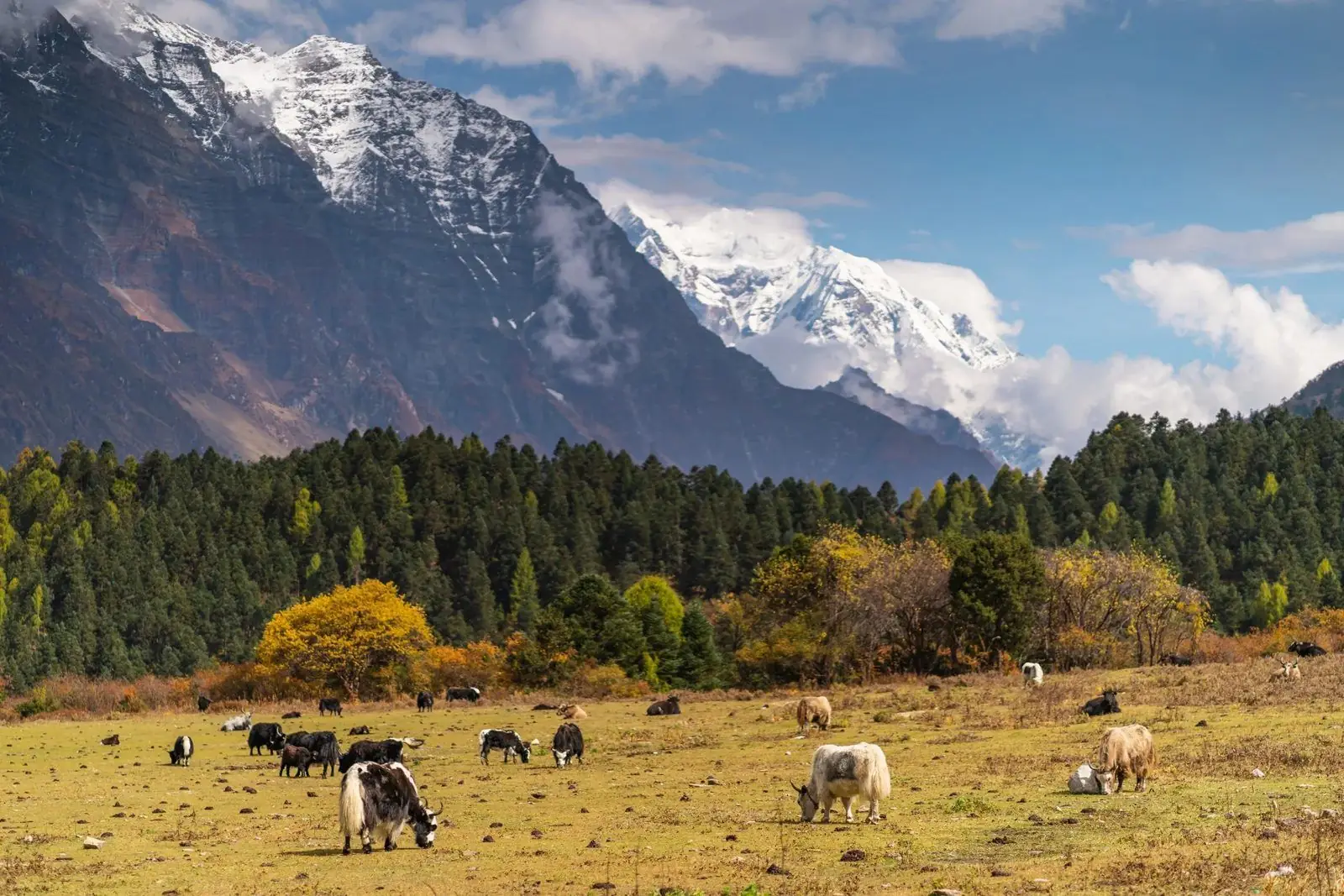
Gosaikunda is a group of alpine lakes that are sacred to Hindus and Buddhists. Many trekkers combine it with Langtang for a longer loop, while others visit it as a shorter trek on its own.
How the combination works
A common plan trekking the Langtang Valley first, then crosses over to Gosaikunda via Sing Gompa, and descends towards Dhunche or Helambu. This makes a longer circuit of around two weeks, depending on pace.
Altitude
The lakes sit at a high elevation, and a climb from Sing Gompa or Laurebina can be steep and fast. Altitude symptoms are common on this route, so keep your pace slow and avoid sleeping high too quickly. Nights are cold, even in warmer months.
Pilgrimage season
A major festival is held at the lakes in the summer, when large numbers of pilgrims walk up. At that time, lodges are crowded and the trail is busy, and it may suit you or not, depending on your wishes.
Permits
The Langtang-Gosaikund route is on the list where a guide and TIMS are required. Our schedule also lists a fee of USD 20 per person per week for the Gosaikunda rural municipality (ward 1 and part of ward 2). Please confirm with us whether it applies to your route, and note that rates can change.
Weather
Autumn and spring are the best seasons, while the monsoon brings rain and cloud and winter brings snow. Make sure you carry warm layers.
Planning
- Allow spare days for weather.
- Carry cash, as there are no machines.
- Prepare for basic lodges near the lakes.
What makes the lakes special
Gosaikunda is a place of pilgrimage, especially during the festival of Janai Purnima, when large numbers of devotees visit. The lakes lie in a high, rocky basin and are said to have been created by the god Shiva. Beyond their religious importance, the lakes are scenic, with clear water reflecting the peaks and prayer flags fluttering in the wind.
Crossing the high ground
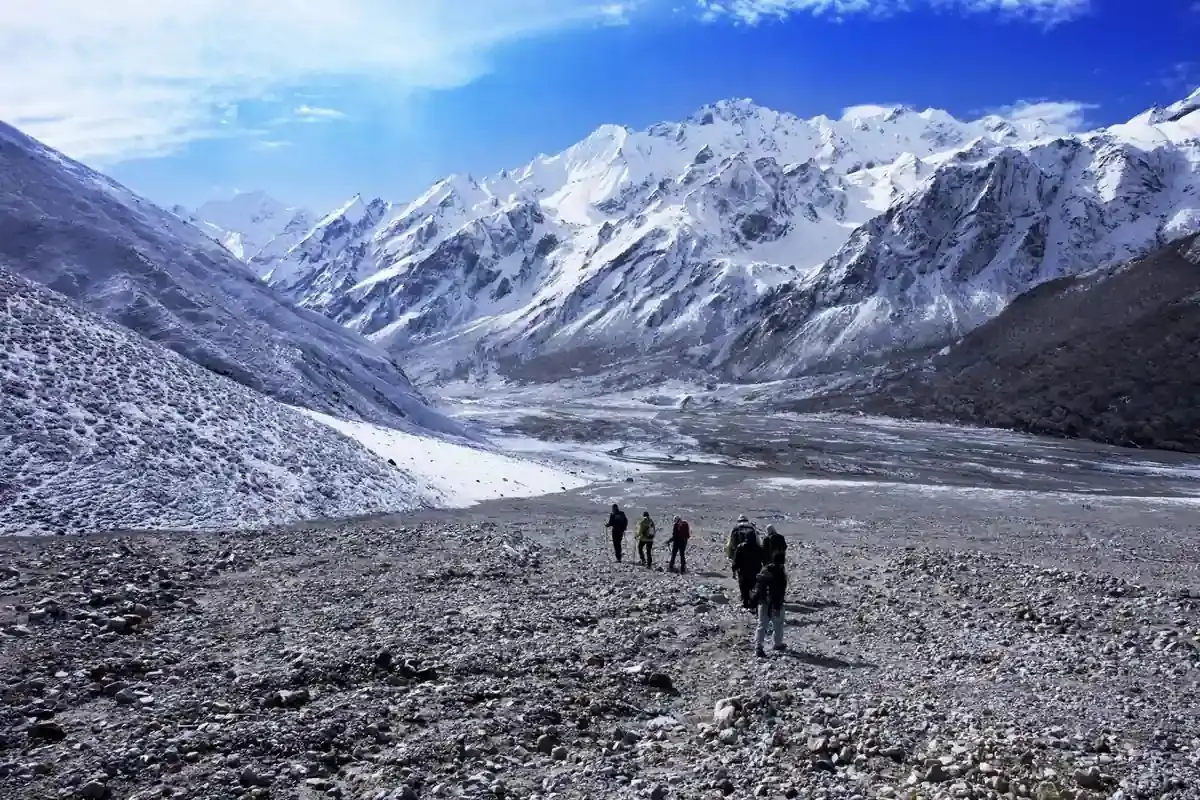
The path to the lakes and the crossing towards Helambu involve steep climbs, rocky ground and cold nights at altitude. Weather can change quickly, and the trail may be snow covered in some seasons. Good acclimatisation and a flexible schedule are important, and the guide will decide on the best route.
Pilgrimage season advice
During the festival period, the area is crowded, lodges are full and facilities are stretched. Book early or choose a date outside the festival if you prefer a quieter visit. Be respectful of pilgrims and their rituals, and avoid noisy behaviour near the lakes.
Plan ahead
- Confirm extra days and costs for the extension.
- Carry warm clothing and sturdy footwear.
- Ask about lodge availability and the state of the trail.
Sample route and days
From Syabrubesi you can climb to Thulo Syabru, then Sing Gompa, then Gosaikunda at about 4,380 m. Crossing the Laurebina La at about 4,610 m leads into Helambu, then down through Tharepati, Melamchi Gaon and Sundarijal near Kathmandu. The full route takes about eight to eleven days depending on pace and extensions.
Weather and snow on the pass
The pass can hold snow into spring and fresh snow in late autumn. The route is steep and exposed in places, and mist can hide the trail. A guide who knows the way and the conditions is important, particularly for the high crossing.