Langtang Valley is often recommended as a first Himalayan trek. It is moderate in difficulty, with a clear trail and regular lodges, though it still requires fitness and care with altitude.
The terrain
The first days pass through forest with steep sections, including a notable climb after the first night. After that, the valley opens out and the gradient becomes gentler. The trail is well defined, but there are stone steps, rocky sections and river crossings.
Altitude
The highest village is high enough that altitude sickness is possible, and viewpoints above it are higher still. The daily gains are moderate if you follow a standard schedule. Do not rush the upper days.
Fitness
You should be comfortable walking five to seven hours a day for several days in a row. Training with hill walks, stairs and a daypack for a couple of months is a good start. Previous hiking experience is helpful but not essential.
What helps
- A steady, slow pace.
- Trekking poles for the steep descents.
- Drinking water regularly.
- A rest day at Kyanjin Gompa.
What can make it harder
Wet weather in the lower valley, tiredness from travel, a rushed itinerary or an existing health condition can all increase the difficulty. If you are unsure, speak to a doctor before booking.
Compared with other treks
It is generally easier than the Manaslu Circuit or a high pass route, and on a similar level to Poon Hill or Mardi Himal, with more of a high-valley feel.
Why it suits many first-timers
The trail is clear, with regular lodges and short daily distances, and there is no technical section. Most fit walkers can complete it with some training. The main challenge is the first day's climb and the effect of altitude on the final days. Because the trek begins at a relatively low point and rises gradually, there are chances to adjust.
Things that can surprise you
The weather can change quickly, with cloud and cold arriving in the afternoon, and the sun at altitude is stronger than expected. Landslide-damaged sections require careful footing. Some people find the long days on stone steps tiring for their knees. These are manageable with poles, layers and a good pace.
Getting ready
Spend a few weeks before departure walking uphill with a daypack, and practise using poles. Test your boots and clothes on a long day walk. Learn the symptoms of altitude illness and talk to your doctor if you have health concerns.
Quick suggestions
- Keep a steady pace and take regular rests.
- Drink water and eat well.
- Tell your guide about any discomfort early.
How a typical day feels
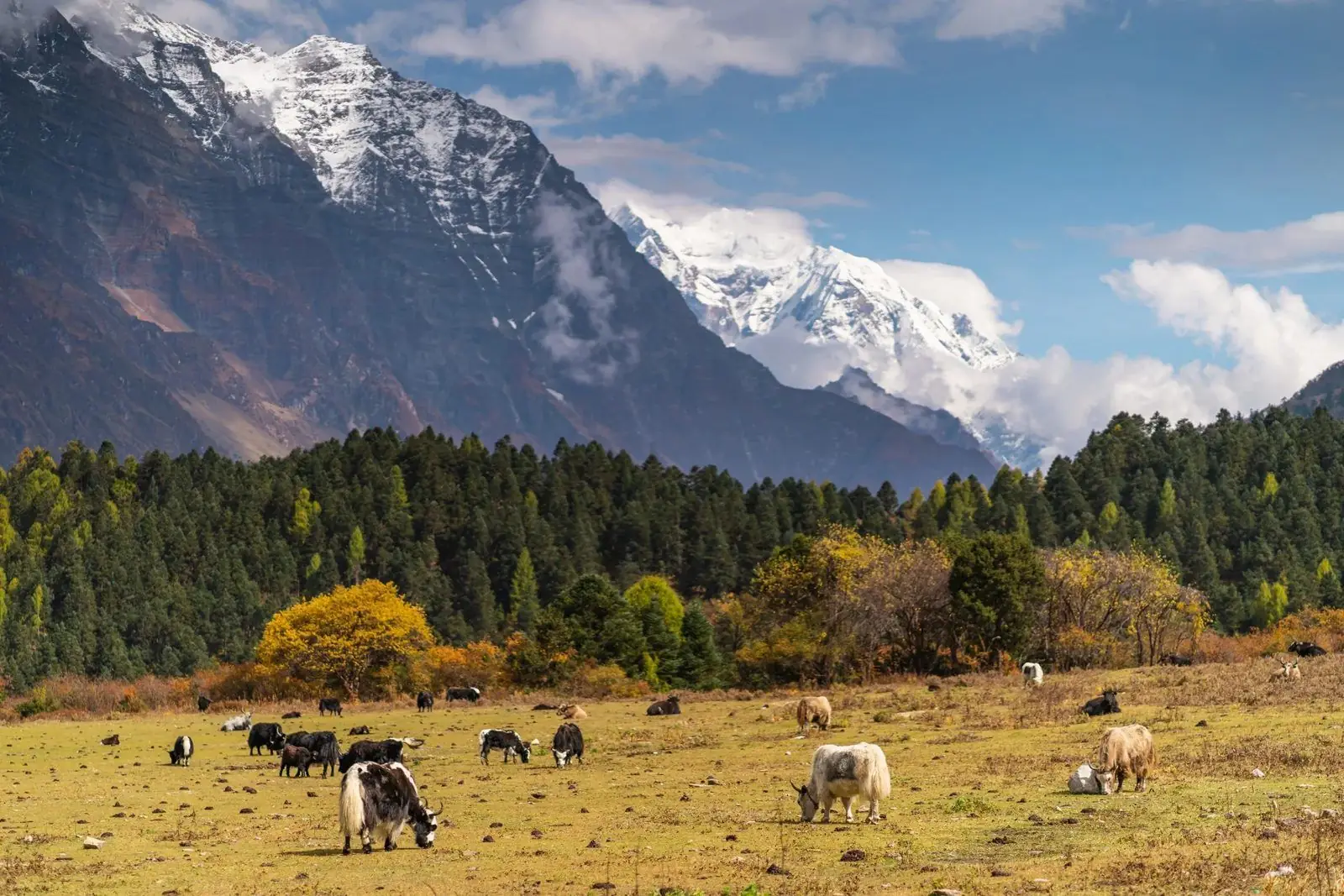
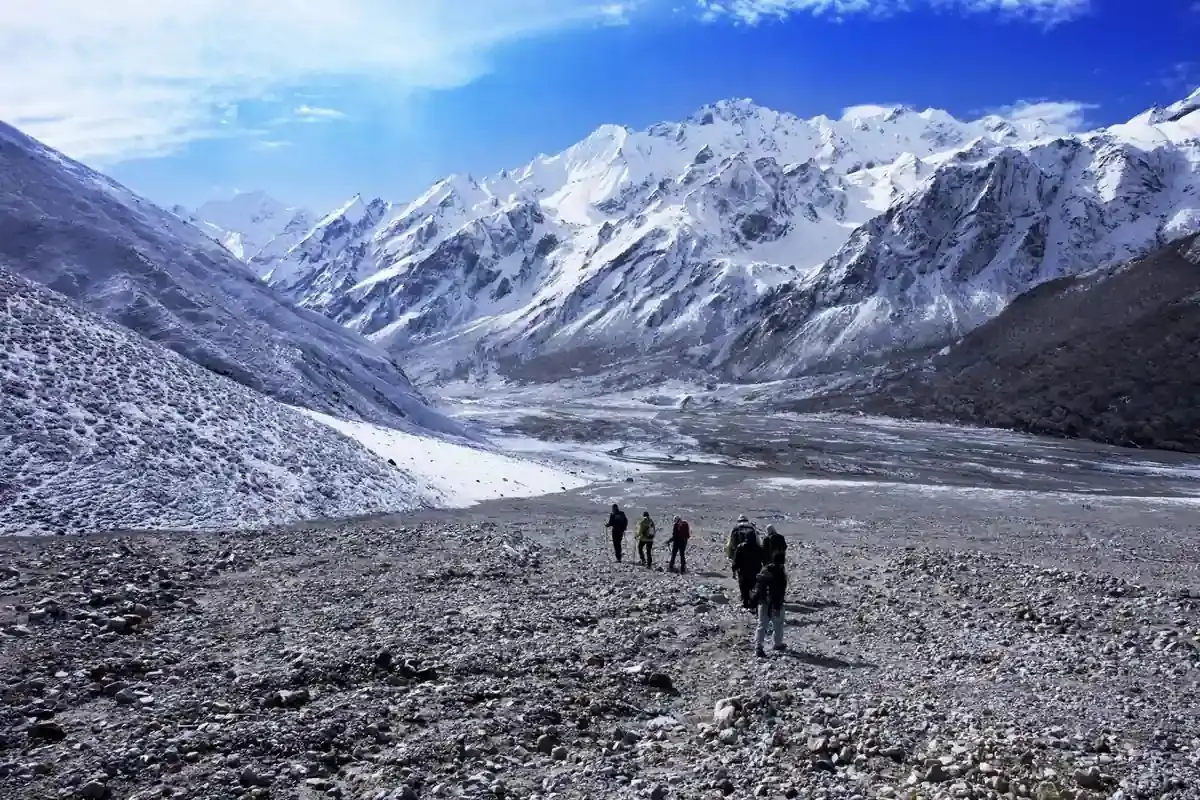
You walk four to seven hours with a daypack, gaining a few hundred metres per day, with tea stops every hour or so. The valley is steep and forested at first, opening into yak pastures and wide moraine. Evenings are cold, and lodges are simple but friendly. By the third day most trekkers have found a rhythm and enjoy the pace.
Tips for first-timers
- Walk slowly, even when you feel strong.
- Drink water regularly and eat even without appetite.
- Carry a warm layer in your daypack every day.
- Tell your guide about any pain early.