Langtang is near Kathmandu, so some trekkers consider it for the off-season. It can work, but the experience differs from autumn and spring.
Monsoon, June to August
The lower valley is wet, with leeches, slippery trails and a risk of landslides on both the road and the track. Rivers rise, and clouds cover the mountains most days. The upper valley is somewhat drier, but visibility is limited. The scenery is green and the trails are quiet.
Winter, December to February
Winter days can be clear and bright, but nights are very cold. Snow may fall on the upper valley, which makes viewpoints harder to reach. Some lodges close at the highest villages, so check before departing.
What to do
- Allow extra days for road delays or weather.
- Carry proper rain gear for the monsoon or heavy insulation for winter.
- Keep plans flexible, and be willing to turn back.
Road conditions
The road to Syabrubesi can be affected by landslides after heavy rain. Check the latest information before leaving Kathmandu.
Alternatives
If you want to trek in the monsoon, a rain-shadow region such as Upper Mustang may offer drier conditions. In winter, a lower-altitude trek may be a better option.
Permits
The national park fee and TIMS rules apply in every season. Confirm current rates when you book.
The monsoon trek
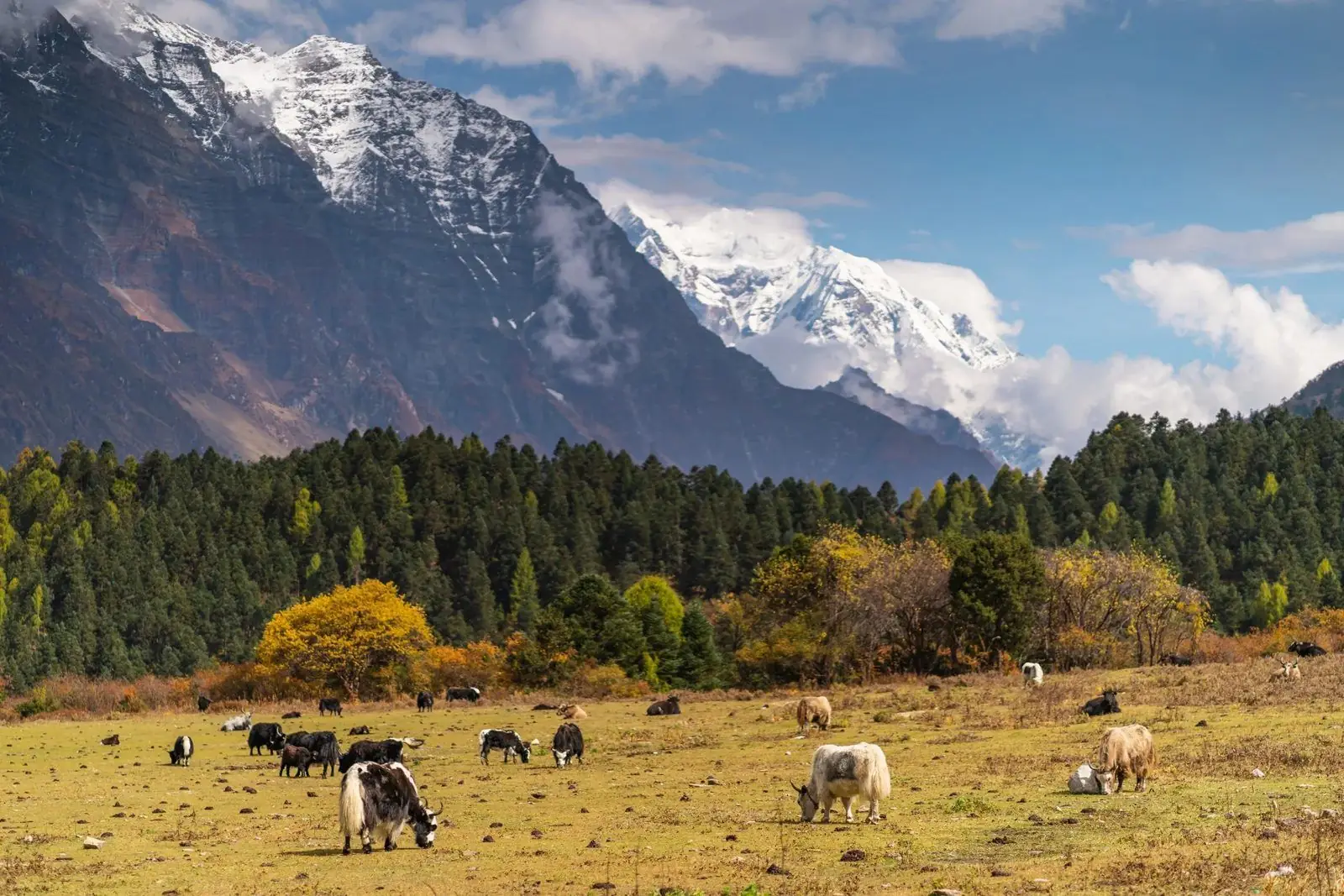
Trekking in the monsoon in Langtang gives you lush green forests, flowering plants and waterfalls, with far fewer trekkers. Expect slippery trails, leeches in the lower forests and clouds that hide the peaks. Landslides can block the road, so keep your schedule flexible. If you like solitude and do not mind rain, you may enjoy it.
The winter trek
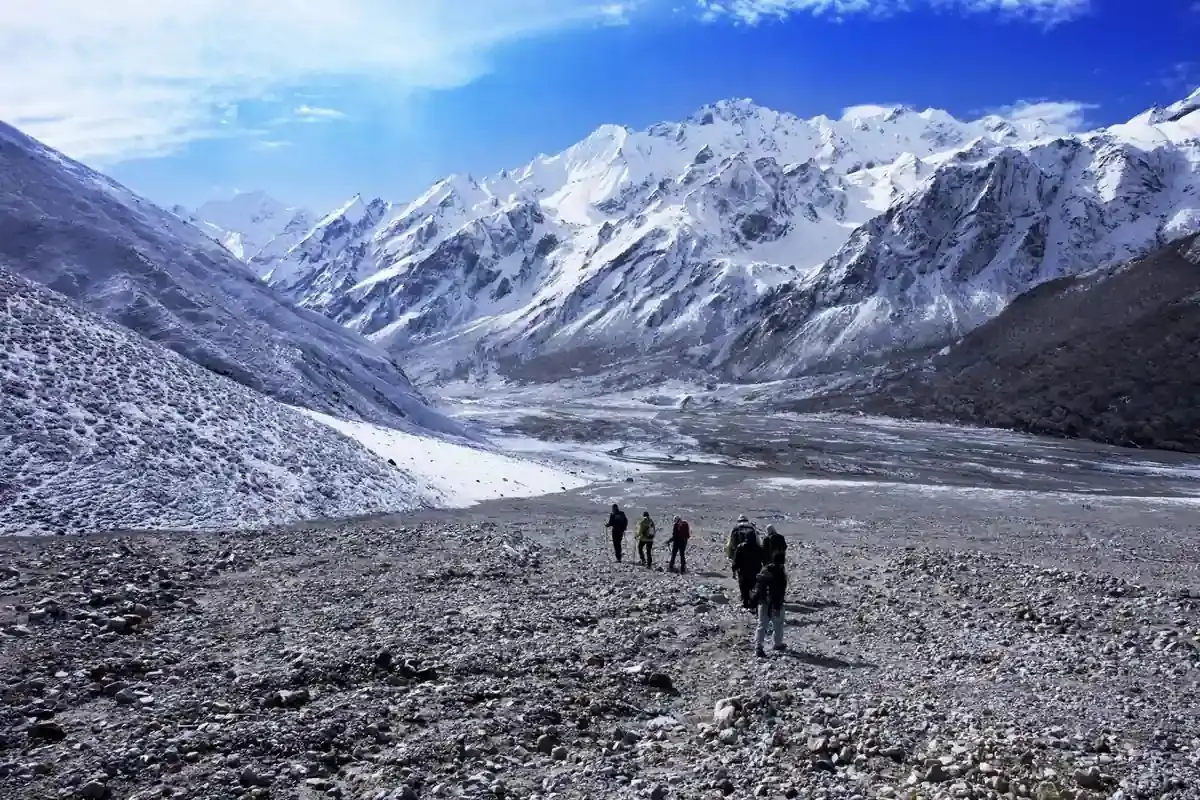
Winter days are cold but often clear, with snow at higher villages and cold nights. Lodges may be closed in the upper valley, and the days are short. Good clothing and a warm sleeping bag are essential. The quiet atmosphere and sparkling snowy views are the reward.
What to prepare
For both seasons, carry waterproofs, warm layers and extra socks. In winter, bring heavier insulation and consider traction devices for icy sections. Check with your operator about lodge availability and road conditions before you leave.
Points to remember
- Allow spare days for delays.
- Check for landslide reports before travelling.
- Choose a lower route if conditions are poor.
What actually changes
In the monsoon, rain, leeches, mud and landslides make walking uncomfortable and sometimes unsafe, and views are mostly hidden. In winter, nights are very cold, some lodges close and snow may block higher sections. Both seasons can be rewarding for the prepared and flexible, but they are not the best for a first trek.
If you must travel then
- Choose shorter routes at lower altitude.
- Carry proper rain gear and gaiters in the monsoon.
- Bring a warm sleeping bag and thermal layers in winter.
- Keep extra days for delays.