




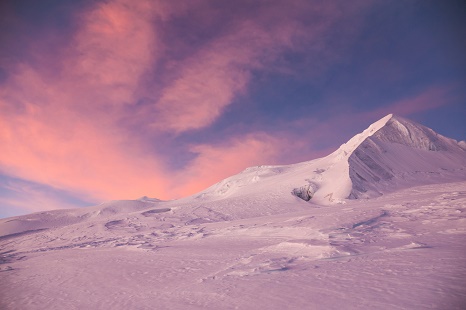
Indian climbers can attempt Mera Peak (6,476 m) without a visa, but it is a long, high trek with a glacier summit. It needs real fitness, a registered guide and about three weeks.
Entry and documents
Indian citizens do not need a visa to enter Nepal and may arrive by air or by land. Carry a valid passport or voter ID card, which are the documents normally accepted, and check the current rules shortly before you travel because requirements can change. Keep photocopies and a digital copy in a separate bag. Mera Peak needs an NMA permit and park permits for the route, all arranged through your agency. Provide passport and insurance details early.
Fitness and experience
The route through the Hinku valley is remote, with several nights above 4,000 m and a summit day of ten hours or more. Build endurance with long hikes and prior altitude experience. Mera is non-technical but physically demanding.
Gear
Boots, crampons, harness and ice axe can be hired in Kathmandu. Bring warm layers and a sleeping bag rated to minus 20. See the gear list.
Food and diet
Vegetarian meals are available at lodges and in camp. Tell your team early about diet, since supplies in the Hinku valley are limited.
A realistic timeline
Plan on about 18 to 20 days from Kathmandu to Kathmandu. That allows a gradual approach, acclimatisation, a summit attempt and one or two reserve days. If your leave is shorter, consider Island Peak or a lower trek instead, since rushing Mera is risky.
Preparing from India
Many Indian climbers train at hill stations or take a high-altitude trek in the Himalaya beforehand. Regular cardio, long weekend hikes and strength work help. Get a medical check-up and tell your doctor your plan.
Timing
Autumn and spring are best. Lukla flights are busy at festival time, so book early and keep reserve days. See the best time guide.
Making the most of preparation
Do at least one high trek before Mera. It builds confidence with altitude and tests your gear.
Why Mera suits strong walkers
The climb is not very technical, but the altitude and cold are serious. Prepare with long treks, and make sure you can handle several nights above 5,000 m. A hardy sleeping bag is essential.


