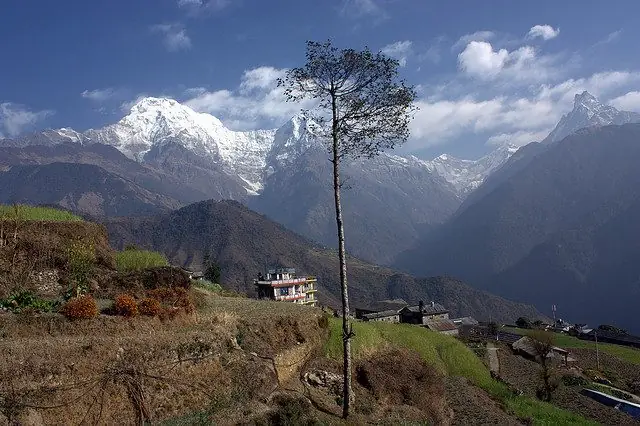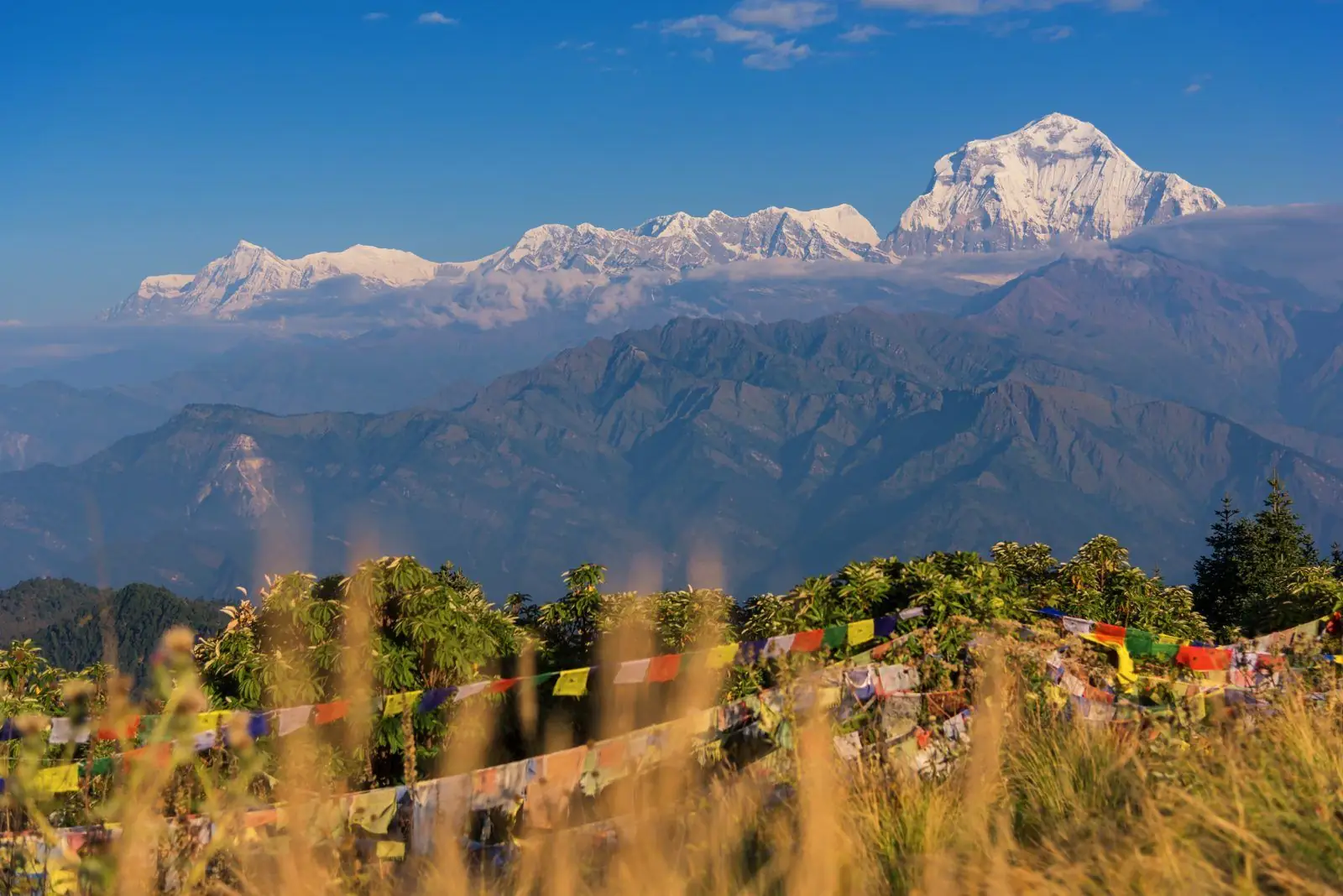
Nar Phu and Tsum are both restricted side valleys of Tibetan culture, opened to trekkers in the 2000s. Nar Phu, off the Annapurna Circuit, is higher and harder, with villages above 4,000 m and a pass of about 5,300 m, and takes 9 to 12 days. Tsum, off the Manaslu trail, is lower and gentler, reaching 3,700 m at Mu Gompa, and takes 12 to 14 days. Choose Nar Phu for mountains and challenge; choose Tsum for monasteries and an easier walk.
Nar Phu and Tsum Valley at a glance
- Days. Nar Phu: 9 to 12. Tsum Valley: 12 to 14.
- Highest point. Nar Phu: Kang La, about 5,300 m. Tsum Valley: Mu Gompa, 3,700 m.
- Village height. Nar Phu: just over 4,000 m. Tsum Valley: 2,400 to 3,400 m.
- Landscape. Nar Phu: narrow gorge, bare rock, glaciers. Tsum Valley: forested gorge opening to a wide farmed valley.
- Reached from. Nar Phu: Koto, on the Annapurna Circuit. Tsum Valley: Lokpa, on the Manaslu trail.
- Grade. Nar Phu: hard. Tsum Valley: moderate.
Two kinds of hidden valley
Nar Phu feels like the edge of the habitable world. Phu clings to a rock above a cold river, fields are small and the growing season short. Tsum is kinder. Its upper valley is broad and sunny, with barley, potatoes and buckwheat, dozens of chortens and a tradition, kept for a century, of not taking animal life.
Religion and monasteries
Both are devoutly Buddhist. Tsum has the greater number of religious sites: Rachen and Mu Gompa, the cave of Milarepa, Gumba Lungdang and long walls of carved stones. Nar Phu has Tashi Lhakhang near Phu, an important monastery, and Nar Phedi, where trekkers can sleep in the monastery guest rooms.
Mountain scenery
Nar Phu has the edge. Himlung, Kang Guru, Pisang Peak and the back of the Annapurnas are close, and from the Kang La the view over the Annapurna range is superb. Tsum's views of Ganesh Himal and Sringi Himal are fine but more distant, unless you add the Ganesh Himal Base Camp side trip.
Difficulty and altitude
Tsum never goes above 3,700 m and its days are moderate. Nar Phu sleeps above 4,000 m for two or three nights and ends with a long pass day. It needs previous experience at altitude.
Lodges
Both have simple family lodges and homestays. Neither has much choice in the upper villages, and both can fill in peak weeks.
Permits and cost
Each needs its own restricted area permit, charged per week, with a higher rate in autumn, plus conservation area permits, a licensed guide and at least two trekkers. Costs per day are similar. Tsum usually comes out a little higher in total because it is longer.
Season
March to May and September to November for both. Tsum can run into early December. Nar Phu's pass is closed by snow in winter.
Extending the trek
Nar Phu continues onto the Annapurna Circuit and over the Thorong La. Tsum combines with the Manaslu Circuit and the Larkya La. See Manaslu with or without Tsum.
A typical day
In Tsum you walk four to six hours between villages, stopping at a monastery or a mani wall, and reach a homestay by mid-afternoon. In Nar Phu the days from Koto to Meta and from Meta to Phu are six to eight hours each through an empty gorge, with only one or two tea stops, and the pass day is longer still.
Getting there
Nar Phu starts from Koto, a day by jeep from Besisahar. Tsum starts from Machha Khola, a day by jeep from Kathmandu, followed by two days on the Manaslu trail before the valley turns off.
Choose Nar Phu if
- You want high, dramatic mountain scenery.
- You have crossed a 5,000 m pass or are ready to.
- You have 10 to 12 days, or are adding it to the Annapurna Circuit.
- You like stark landscapes.
Choose Tsum Valley if
- You want a gentler trek at lower altitude.
- You are drawn to monasteries and Buddhist culture.
- You have about two weeks.
- You may add the Manaslu Circuit.
Plan it
See the Nar Phu Valley guides and Tsum Valley, or ask us for both itineraries.
Common questions
Which is harder, Nar Phu or Tsum?
Nar Phu.
Which is more remote?
Both are remote. Nar Phu feels more so.
Do both need special permits?
Yes, separate restricted area permits, for two or more trekkers with a guide.
Which is better for culture?
Tsum has more monasteries and religious sites.
Heights, days, fees and rules are approximate and can change, so confirm the current details with us before you book.