




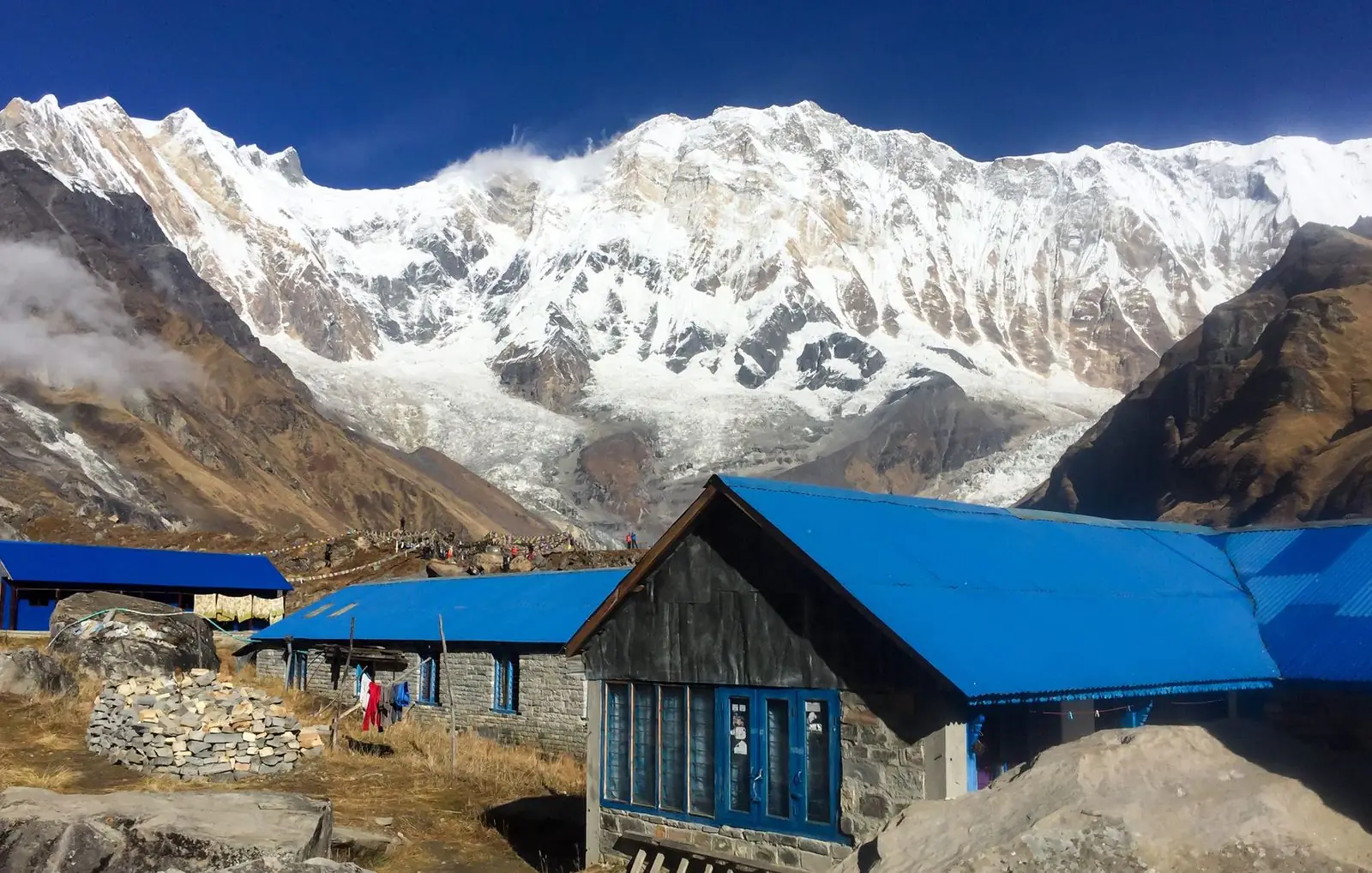
October is the peak trekking month in Nepal. The monsoon has usually ended, skies are often clear, trails are dry and mountain views are at their best. The trade-offs are crowds, full lodges and the Dashain and Tihar festival period, which can affect transport. Almost every popular trek works, but book flights and rooms early.
What the weather is usually like
After the monsoon, the air is typically washed clean, giving sharp views of the high peaks. Days are mild at lower elevations and cold higher up, while nights above about 4,000 m drop below freezing. Rain is less likely than in summer, though a late shower or an early snowfall at height is possible.
Mornings are usually the clearest, with cloud building later in the day. Conditions differ by region and by year, so treat this as a general picture. Pack layers, a warm hat, gloves and a rain shell even in this dry season, and keep some flexibility in your plan.
Dashain and Tihar in October
Dashain, the biggest Hindu festival in Nepal, and Tihar, the festival of lights, often fall in October or around its edges. Their dates follow the lunar calendar and move each year, so check the current dates before you book.
During Dashain many offices and shops close, buses and flights fill with people travelling home, and prices for transport can rise. Trekking itself carries on, and you may see celebrations in villages. Indian travellers often combine a festival break with a trek, which makes advance booking especially important. We can help you plan around the holiday dates.
Crowds and booking early
Because October is popular, lodges on the main routes can fill up, flights to mountain airstrips book out, and trails such as Everest Base Camp and Annapurna Base Camp are busy. Starting early each morning helps you stay ahead of groups and get the clearest views.
- Book your trek and domestic flights well ahead.
- Allow a spare day for weather or flight changes.
- Ask for quieter alternatives if you dislike crowds.
- Carry a little cash for lodge extras, and check current currency rules.
Fees change; confirm the current figure with us before you book.
Which treks suit October
Almost everything works. Our Everest Base Camp trek of 14 days, Annapurna Base Camp of 10 or 14 days, and the Poon Hill trek of 9 days are all well suited to clear autumn skies. For something quieter, Mardi Himal in 11 days and Langtang in 10 days draw fewer people.
Bigger routes such as Annapurna Circuit at 18 days, Manaslu Circuit at 15 days and Upper Mustang at 18 days also run well in October. Manaslu and Upper Mustang are restricted areas needing a special permit and a licensed guide through a registered agency. Rules change, so confirm before you travel.
Altitude and cold in autumn
Clear weather can tempt people to hurry. Altitude illness depends on how fast you climb, not on how fit you are. Headache, nausea, dizziness, poor sleep and unusual tiredness are warning signs. If symptoms get worse, do not go higher, and descend if they continue. This is general information, not medical advice.
Drink plenty of water, walk slowly and use the rest days in your itinerary. High camps can be very cold at night, so bring a warm sleeping bag rating and insulated layers. A guide can help you judge when symptoms need action.
Common questions
Is October a good month for trekking in Nepal?
Yes, it is usually the best, with clear skies, dry trails and good views. The downside is crowds and full lodges, so book your trek and flights early.
Will Dashain affect my trek?
It can affect transport, shop hours and flight availability. Dates move with the lunar calendar, so check the current year. Treks still run, and booking early plus a spare day helps.
How cold is it in October?
Mild at lower altitudes and cold higher up. Nights above about 4,000 m can fall below freezing. Pack layers, a warm hat, gloves and a good sleeping bag, and expect conditions to vary.
Do Indian travellers need a visa in October?
Indian citizens do not need a visa for Nepal, but should carry valid photo ID such as a passport or voter ID. Rules change, so confirm before you travel and check current currency rules.


